

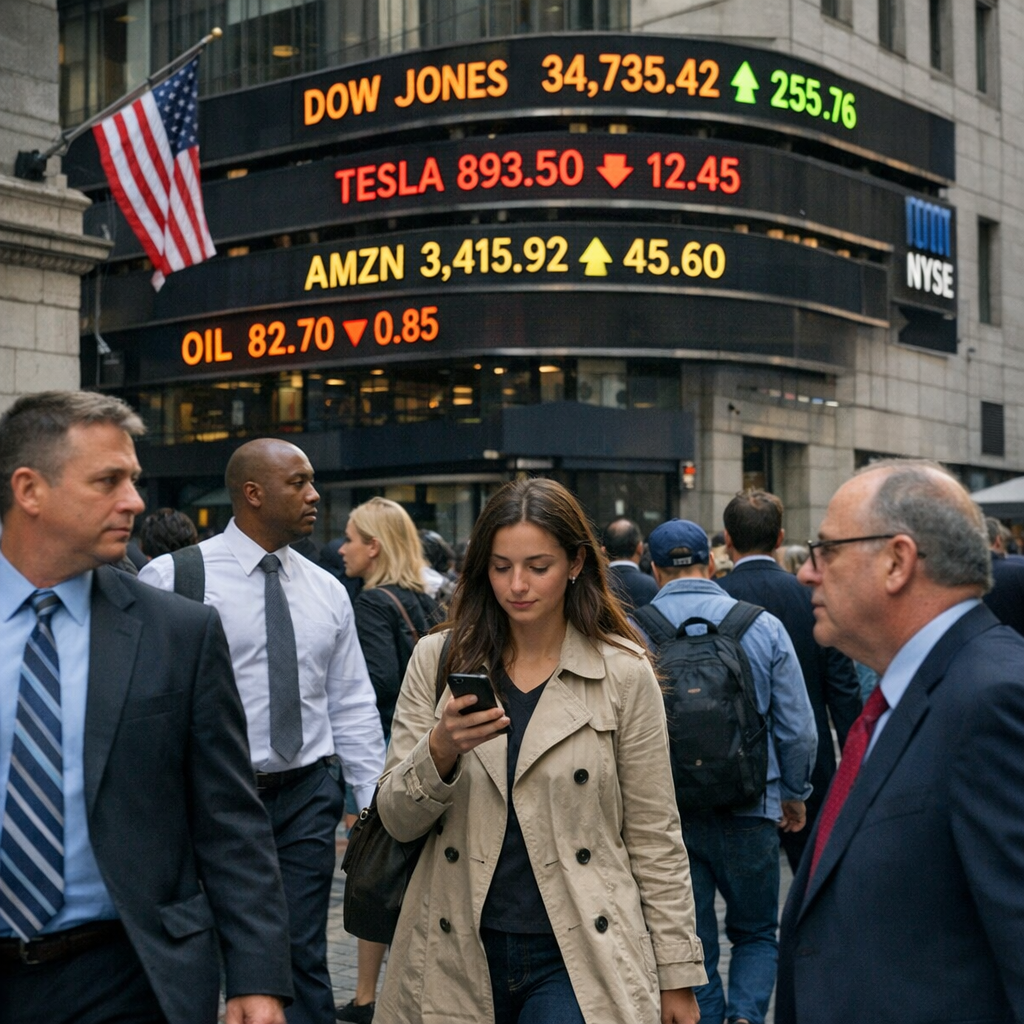
The United States economy continues to demonstrate resilience amid a complex interplay of policy changes and global uncertainties. Recent data indicates steady growth, yet challenges persist that warrant close attention.
Economic Growth and Employment
In 2025, the U.S. economy expanded with a Gross Domestic Product (GDP) reaching $30.8 trillion, marking a 2.2% increase from the previous year. This growth aligns with the average annual rate observed between 2000 and 2024. The labor market has remained robust, with the unemployment rate holding steady at approximately 4.3% as of April 2026. Notably, the economy added 115,000 jobs in April alone, contributing to a total of 100,000 more jobs since January than during the entire year of 2025.
Policy Impacts and Public Sentiment
Recent policy shifts, including tax reforms and tariff adjustments, have had mixed effects on the economy. The International Monetary Fund (IMF) projects that tax and spending changes legislated in 2025 will provide a modest boost to activity, adding around 0.75% to the level of GDP in 2026-27. However, higher tariffs are expected to raise the Personal Consumption Expenditures (PCE) price index by approximately 0.5% by early 2026 and reduce output by about 0.5%.
Public perception reflects these complexities. A Pew Research Center survey conducted in January 2026 found that 28% of U.S. adults rate economic conditions as excellent or good, while 72% view them as only fair or poor. This sentiment underscores the nuanced impact of recent economic policies on the populace.
Looking Ahead
As the U.S. navigates these economic dynamics, the interplay between policy decisions and global events will continue to shape its trajectory. Stakeholders, including international partners, should monitor these developments to understand their potential implications on global markets and economic relations.