

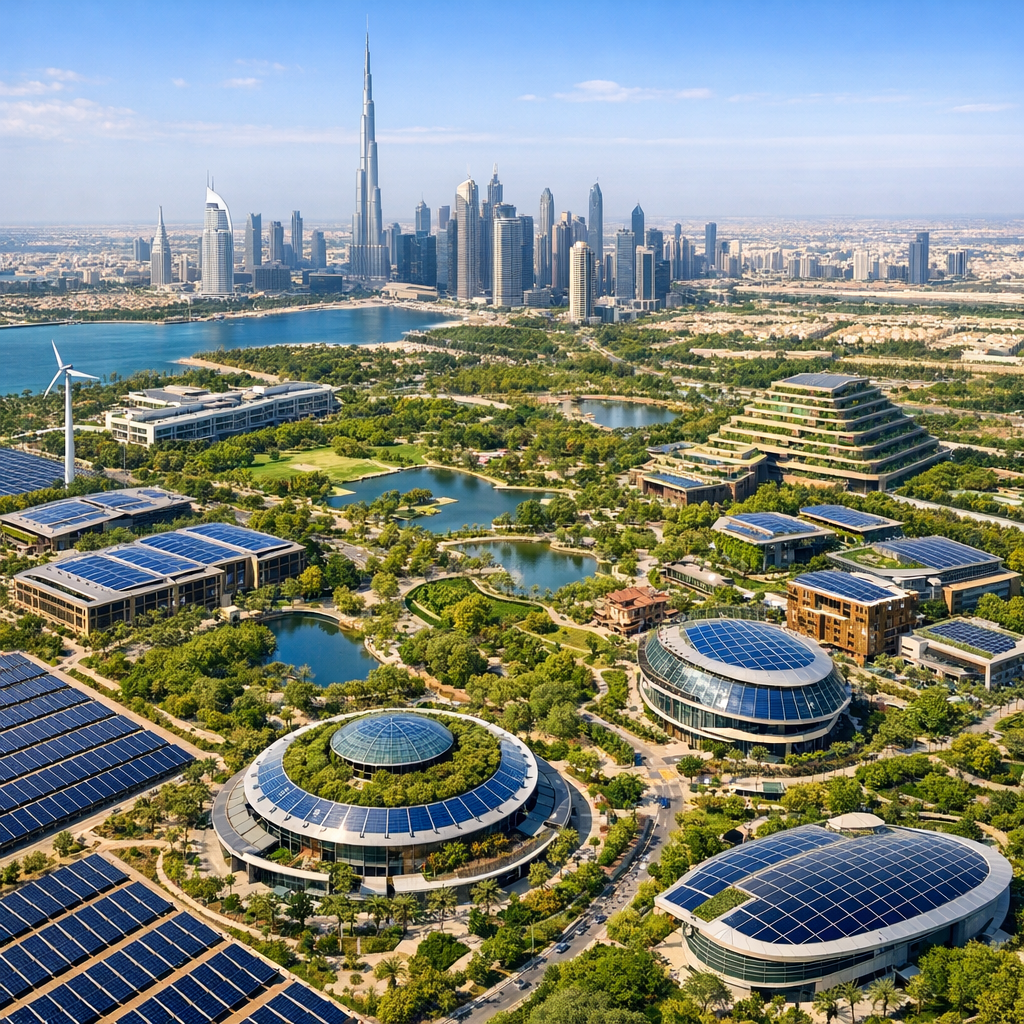
Dubai has long been recognized for its rapid development and architectural marvels. However, alongside its urban growth, the emirate has demonstrated a steadfast commitment to environmental sustainability. This article delves into the various initiatives and strategies that Dubai has implemented to promote a greener future.
Environmental Authorities and Their Roles
At the federal level, the Ministry of Climate Change and Environment (MOCCAE) is responsible for developing and implementing national policies related to environmental sustainability, climate change, and food security. Within Dubai, the Dubai Municipality serves as the primary regulatory authority, enforcing environmental legislations, monitoring air and water quality, and managing waste disposal and recycling initiatives. Additionally, the Dubai Environment and Climate Change Authority (DECCA) focuses on protecting the environment and ensuring sustainability through innovative policies that balance economic growth with conservation efforts.
Protected Areas and Biodiversity Conservation
Recognizing the importance of preserving its natural beauty, Dubai has established eight protected areas covering approximately 31% of its total area. These reserves represent the emirate’s diverse ecosystems, including mountains, deserts, and coastal regions. Managed by the Dubai Municipality in collaboration with various partners, the primary goals are to protect, restore, and promote the natural biodiversity of these areas through scientific research, monitoring, education, and sustainable recreational initiatives.
Clean Energy Initiatives
Dubai has set ambitious targets to transition towards clean energy. The Mohammed bin Rashid Al Maktoum Solar Park stands as the largest single-site solar park globally, with a planned production capacity of 5,000 MW by 2030. This initiative aligns with the Dubai Demand Side Management Strategy 2050, aiming to achieve significant energy efficiency improvements and support the UAE’s Net Zero Strategy 2050.
Waste Management and Circular Economy
In its pursuit of sustainability, Dubai has implemented the Integrated Waste Management Strategy 2041, encouraging innovation in waste management, recycling, and energy conversion. A notable project is the Waste to Energy Center in Warsan, the world’s largest and most efficient waste-to-energy conversion facility, capable of treating around 2 million tons of solid waste annually to generate power for over 135,000 homes.
Community Engagement and Sustainability Movements
Community involvement plays a pivotal role in Dubai’s sustainability efforts. The ‘Dubai Can’ initiative, launched by His Highness Sheikh Hamdan bin Mohammed bin Rashid Al Maktoum, encourages residents to reduce the use of single-use plastic bottles by promoting the use of refillable water bottles and providing access to free drinking water through public stations. This movement aims to foster a culture of conscious living and environmental responsibility among the populace.
Corporate Contributions to Environmental Sustainability
Various organizations within Dubai have also taken significant steps towards environmental sustainability. For instance, Dubai Holding has implemented initiatives focusing on carbon management, energy efficiency, water conservation, and waste reduction. Their projects include designing green communities, strengthening sustainable waste management, and championing coastal conservation efforts.
Conclusion
Dubai’s comprehensive approach to environmental sustainability reflects its dedication to balancing rapid urban development with ecological preservation. Through the concerted efforts of governmental authorities, community initiatives, and corporate contributions, the emirate continues to set a global benchmark for sustainable urban living.