

The global economy is currently navigating a complex landscape marked by geopolitical tensions, technological advancements, and shifting trade dynamics. These factors collectively influence economic growth, inflation rates, and investment patterns worldwide.
Global Economic Outlook
Recent reports indicate a modest slowdown in global economic growth. The World Bank projects a decrease to 2.6% in 2026, down from 2.7% in 2025. This deceleration is attributed to subdued investment and structural challenges, despite easing inflation and monetary policy adjustments. Similarly, the OECD forecasts a global growth rate of 2.9% in 2026, with potential risks stemming from geopolitical conflicts and energy supply disruptions.
Regional Developments
In the United States, consumer spending and investments in artificial intelligence are expected to drive moderate growth, with GDP projected at 2.0% in 2026. Europe faces slower growth, with the eurozone anticipated to expand by 0.8% in 2026, influenced by rising energy costs and policy uncertainties. In Asia, China’s growth is projected to slow to 4.4% in 2026, while India is expected to lead the region with robust growth driven by strong domestic demand.
Implications for Dubai
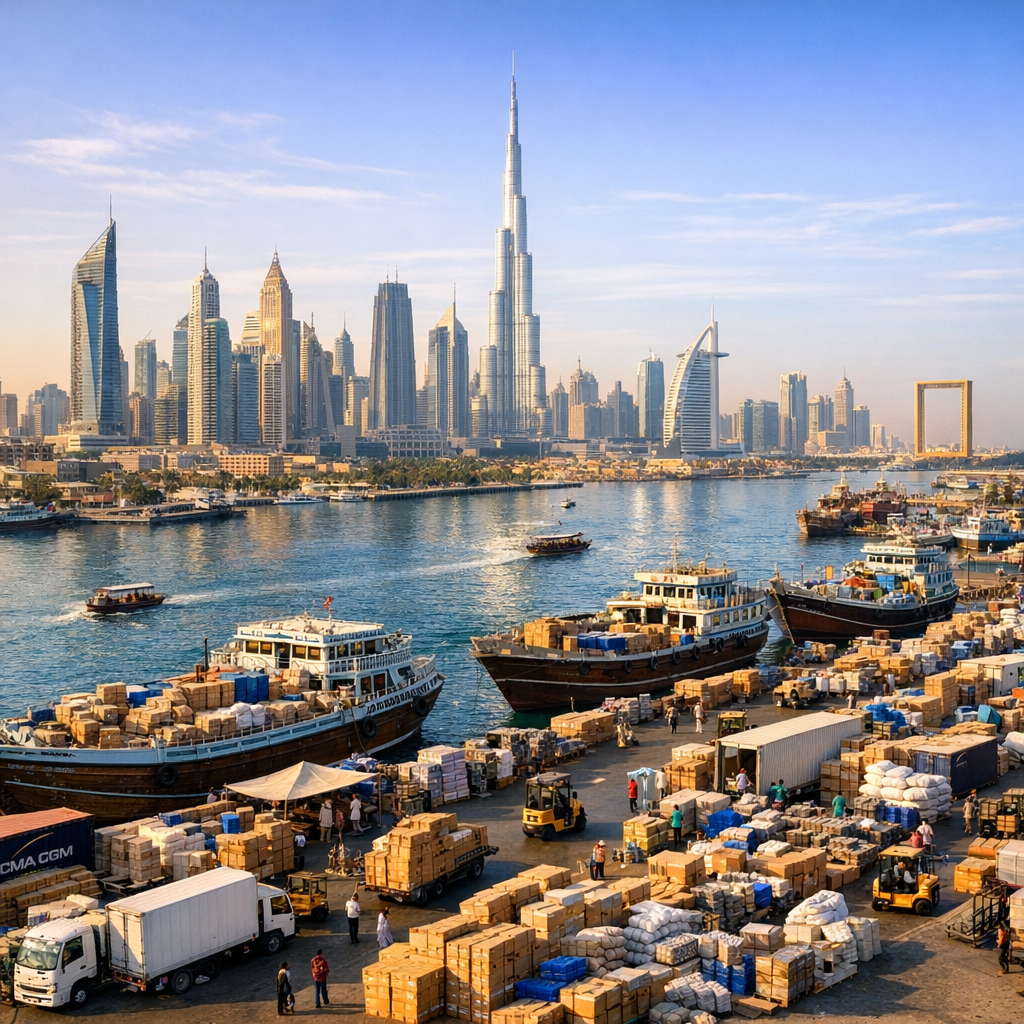
Dubai’s economy is intricately linked to global economic trends through its roles in trade, tourism, and finance. The projected slowdown in global growth may impact Dubai’s trade volumes, particularly if key trading partners experience economic contractions. Additionally, fluctuations in energy prices and geopolitical tensions in the Middle East could influence investor confidence and economic stability in the region.
However, Dubai’s strategic initiatives, such as investments in technology and infrastructure, position it to adapt to these global shifts. The city’s emphasis on diversifying its economy beyond oil, coupled with its status as a global business hub, may help mitigate some adverse effects of global economic fluctuations.
Conclusion
While the global economic outlook presents challenges, Dubai’s proactive economic strategies and diversified portfolio may enable it to navigate these uncertainties effectively. Continuous monitoring of global trends and adaptive policy measures will be crucial in sustaining Dubai’s economic resilience in the face of evolving global dynamics.