

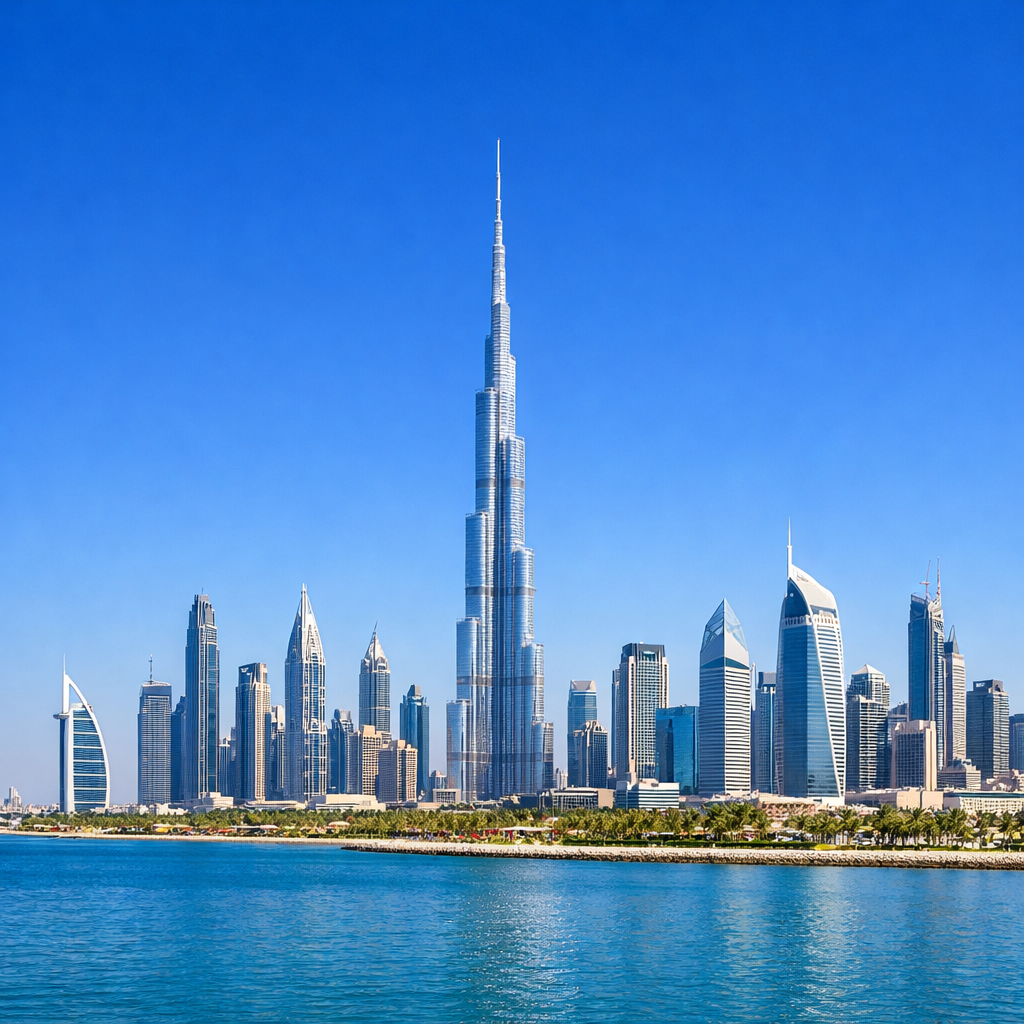
Dubai’s climate is characterized by its hot desert environment, offering residents and visitors a range of weather experiences throughout the year. Understanding these patterns is essential for planning activities and ensuring comfort.
Summer: Intense Heat and High Humidity
From May to September, Dubai experiences its summer season, marked by extreme temperatures and elevated humidity levels. Daytime temperatures often exceed 40°C (104°F), with peaks reaching up to 50°C (122°F). Coastal areas, influenced by the Arabian Gulf, can see humidity levels rise above 70%, intensifying the heat’s impact. This combination can make outdoor activities challenging, and it’s advisable to stay hydrated and limit sun exposure during peak hours.
Winter: Mild and Pleasant Conditions
Contrasting the summer, Dubai’s winter months, from December to February, offer a more temperate climate. Daytime temperatures range between 20°C (68°F) and 26°C (79°F), with cooler evenings. This period is ideal for outdoor activities, as the weather is comfortable and rainfall is minimal, averaging around 100 mm annually.
Transitional Seasons: Spring and Autumn
The periods between the extreme seasons, namely March to May and October to November, serve as transitional phases. During these months, temperatures gradually shift, and the weather remains relatively stable, providing a balance between the intense heat of summer and the mildness of winter.
Environmental Considerations
Dubai’s rapid urbanization and industrial activities have implications for its environment. Construction projects and vehicular emissions contribute to air quality challenges, with the Air Quality Index (AQI) varying based on these factors. Additionally, the city occasionally experiences sandstorms, particularly during the summer months, which can reduce visibility and affect air quality. Staying informed about weather forecasts and AQI readings can help residents and visitors make informed decisions about outdoor activities.
By understanding Dubai’s distinct climate patterns and environmental factors, individuals can better prepare for and adapt to the city’s unique weather conditions throughout the year.