

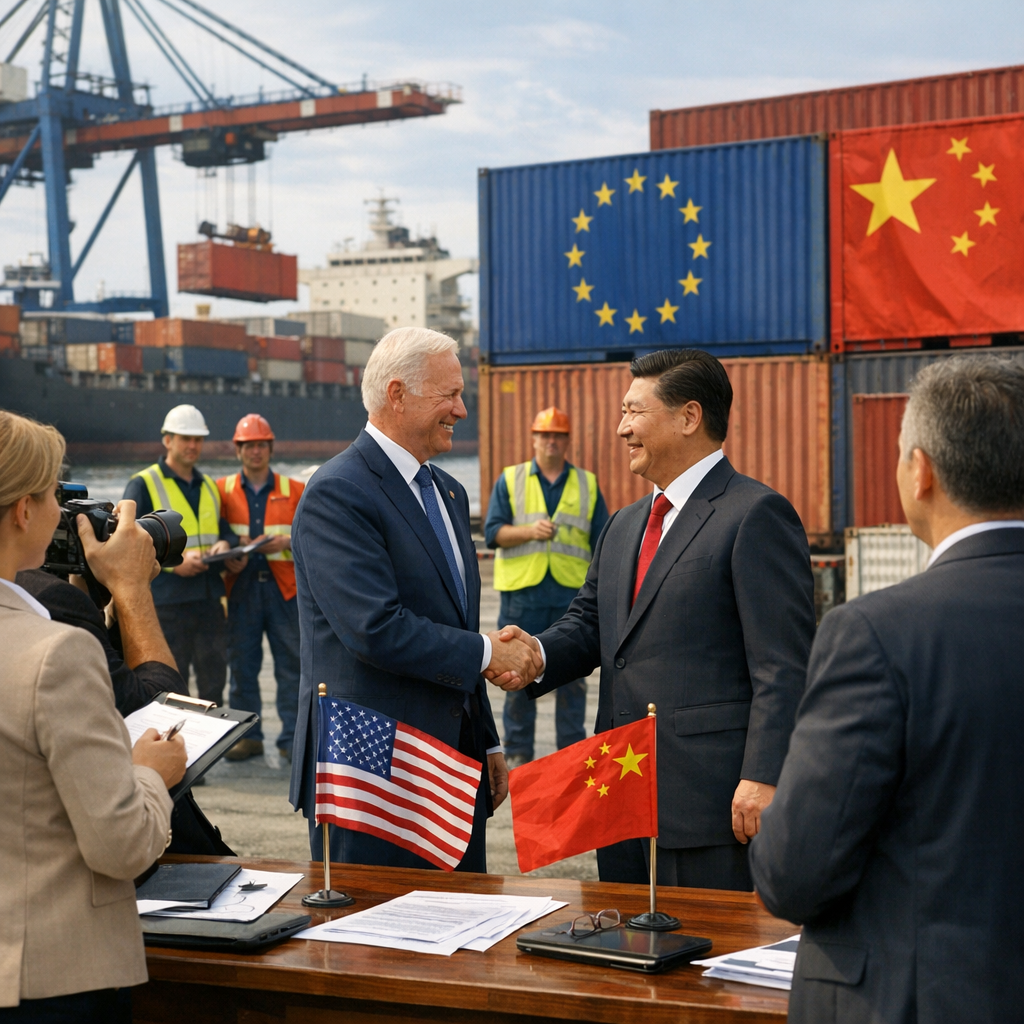
In recent years, the United States has undergone significant transformations in its trade policies and foreign relations, leading to notable global repercussions. These changes have been characterized by increased tariffs, evolving international alliances, and a redefined approach to global engagement.
Escalation of Tariffs and Trade Policies
Since early 2025, the U.S. has implemented substantial tariff increases, marking a departure from its historically open trade stance. The average effective tariff rate surged from approximately 2.4% in late 2024 to about 22% by April 2025, the highest level in nearly a century. Although subsequent policy adjustments reduced this rate to around 15% by the end of 2025, the overall trajectory indicates a shift towards protectionism. These tariffs have disrupted global trade flows, prompting businesses worldwide to reassess their supply chains and market strategies.
Impact on International Trade and Economy
The heightened tariffs have led to increased costs for importers and consumers, contributing to inflationary pressures. While the U.S. economy has shown resilience, with steady job growth and GDP expansion, sectors reliant on international trade have faced challenges. For instance, the agriculture and food processing industries have been particularly affected by rising input costs and retaliatory tariffs from trading partners.
Shifts in Foreign Policy and Global Relations
Concurrently, the U.S. has redefined its foreign policy approach. The administration has pressured NATO allies to increase defense spending, signaling a move from “burden sharing” to “burden shifting.” This shift has prompted European nations to invest more in their defense capabilities, aiming for greater autonomy in security matters.
In the Middle East, U.S. military actions, including strikes on Iran’s nuclear facilities and operations in Venezuela, have led to regional instability and strained diplomatic relations. These actions have compelled U.S. allies to reassess their security dependencies and seek diversified alliances.
Global Implications and Strategic Considerations
The combination of aggressive trade policies and assertive foreign actions has contributed to a perception of a “post-American” world, where global partners are increasingly pursuing independent strategies. This evolving landscape necessitates that nations, including those in the Gulf region, carefully navigate their diplomatic and economic engagements to safeguard their interests amid shifting U.S. policies.
As the U.S. continues to recalibrate its role on the global stage, it is imperative for international stakeholders to stay informed and adaptable, ensuring that their strategies align with the dynamic geopolitical environment.