

Dubai’s climate is characterized by its hot desert environment, with distinct seasonal variations and environmental challenges that residents and visitors should be aware of.
Seasonal Weather Patterns
Summer (May to September)
During the summer months, Dubai experiences extremely high temperatures, often exceeding 40°C (104°F). The combination of intense heat and high humidity, influenced by the warm waters of the Arabian Gulf, can make outdoor activities challenging. It’s advisable to limit exposure during peak heat hours and stay hydrated.
Winter (December to February)
Winters in Dubai are mild and pleasant, with average daytime temperatures ranging from 20°C to 26°C (68°F to 79°F). This period is ideal for outdoor activities, as the weather is comfortable and rainfall is minimal.
Environmental Challenges
Sandstorms
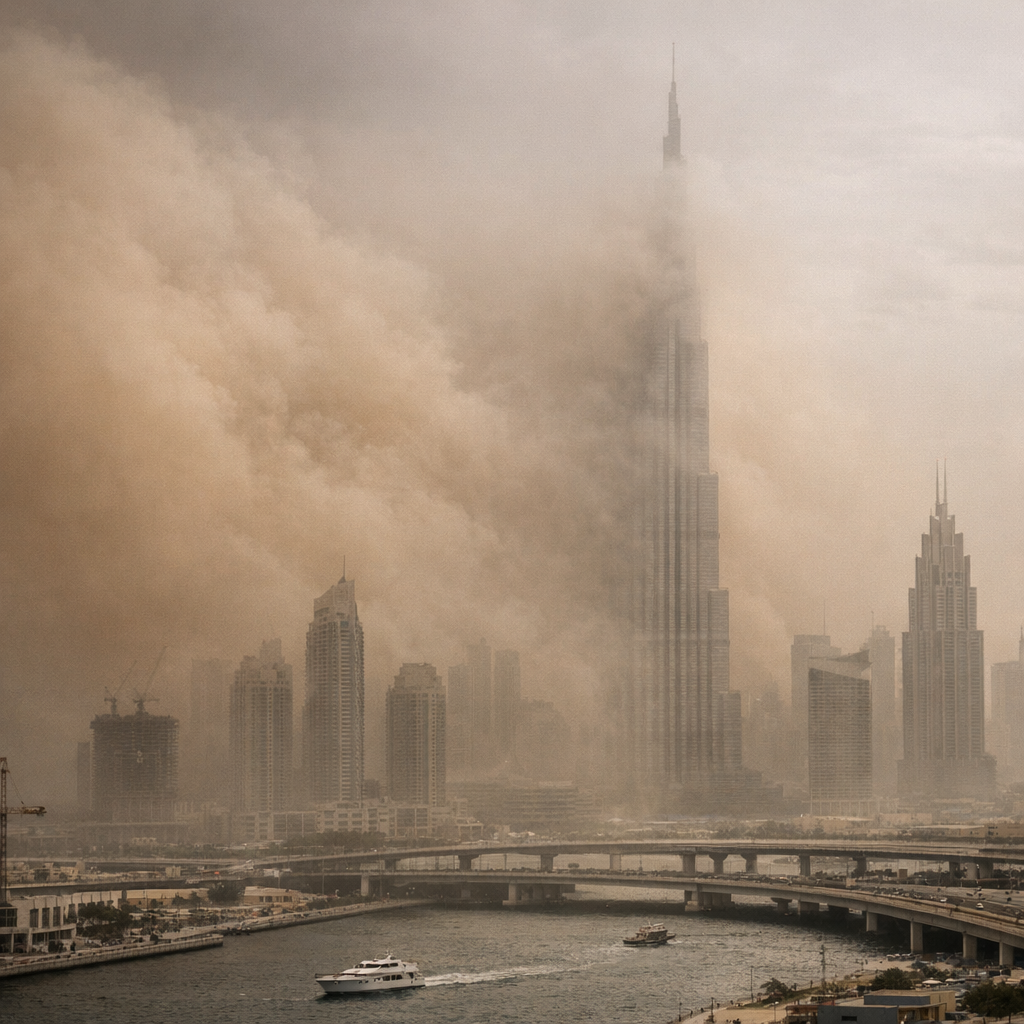
Dubai occasionally experiences sandstorms, particularly during the transitional seasons. These storms, driven by strong winds, can reduce visibility and affect air quality. It’s important to stay indoors during severe sandstorms and follow local advisories.
Water Scarcity
As a city located in an arid region, Dubai faces challenges related to water scarcity. The primary sources of freshwater include desalination plants and groundwater extraction. Desalination is energy-intensive and has environmental implications, such as the release of brine into the Arabian Gulf, affecting marine ecosystems. Groundwater depletion is another concern, as excessive pumping has led to a lowering of the water table and the intrusion of saline water into freshwater aquifers.
Adaptation and Mitigation Efforts
Dubai has implemented various measures to address its environmental challenges. These include promoting water conservation, investing in renewable energy sources, and enhancing infrastructure to withstand extreme weather events. Public awareness campaigns also play a crucial role in encouraging sustainable practices among residents and businesses.
Understanding Dubai’s climate and environmental challenges is essential for both residents and visitors to adapt effectively and contribute to the city’s sustainability efforts.