

In recent times, the global economy has faced significant challenges, notably due to geopolitical tensions and energy crises. The ongoing conflict in the Middle East has led to disruptions in energy supplies, causing a surge in global inflation and a slowdown in economic growth. The Organisation for Economic Co-operation and Development (OECD) projects global growth to decelerate to 2.8% in 2026, down from 3.4% in 2025, with inflation in G20 countries expected to rise to 4.0% in 2026.
These global shifts have direct implications for Dubai. As a major hub in the Gulf region, Dubai’s economy is closely tied to global energy markets and trade routes. The closure of the Strait of Hormuz, a critical passage for oil exports, has intensified energy price volatility, affecting sectors such as logistics, tourism, and real estate.
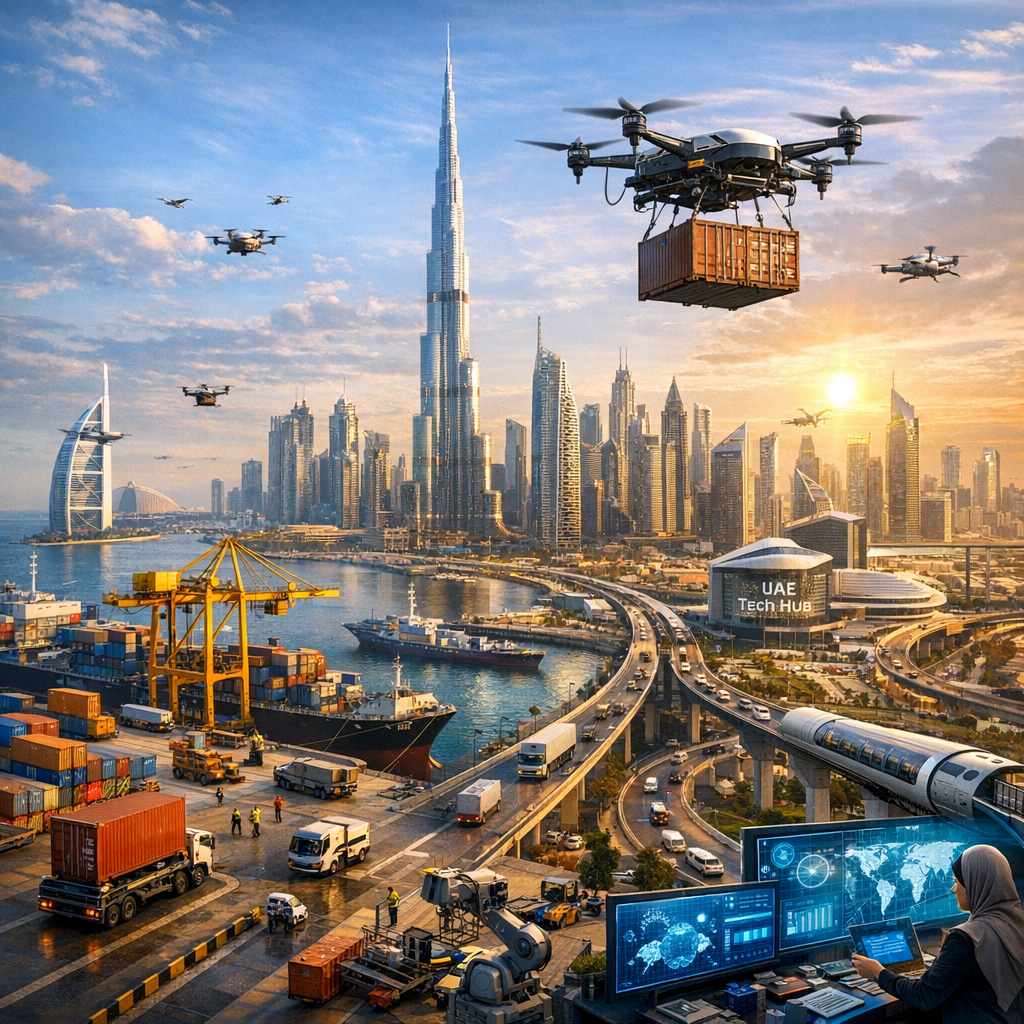
However, Dubai’s strategic initiatives in diversifying its economy provide a buffer against these global headwinds. Investments in technology, particularly in artificial intelligence (AI), are positioning the emirate as a leader in innovation. The World Economic Forum notes that while geopolitical risks are rising, AI adoption is expected to increase, offering potential boosts to productivity.
Moreover, Dubai’s proactive policies in enhancing its business environment and infrastructure continue to attract foreign investment. The city’s resilience is further supported by its status as a global trade and tourism hub, which, despite current challenges, remains a cornerstone of its economic strength.
In conclusion, while global economic uncertainties present challenges, Dubai’s diversified economy and strategic initiatives in technology and infrastructure position it well to navigate these shifts and maintain its growth trajectory.