

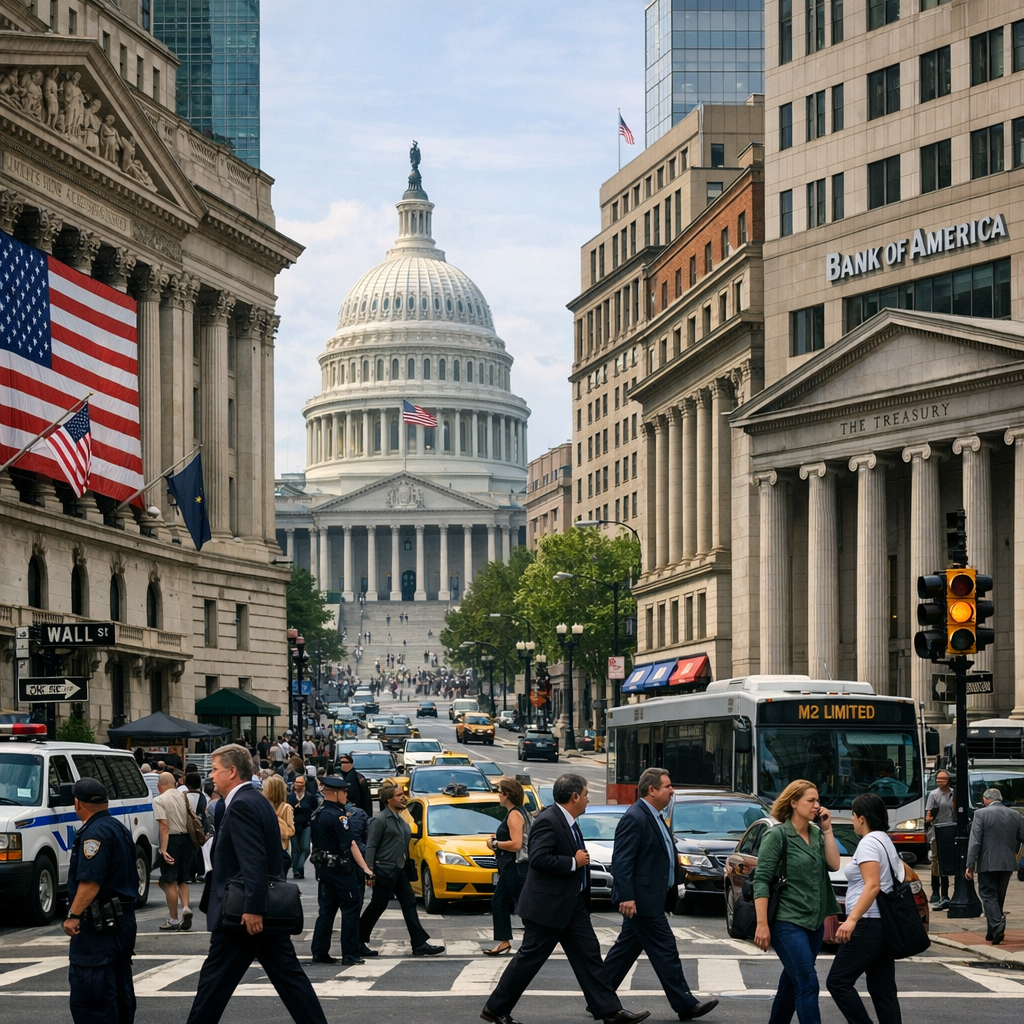
The United States is currently experiencing a dynamic and multifaceted political and economic environment, marked by significant developments that have both domestic and international implications.
Political Climate and Public Sentiment
Recent polling data indicates a heightened level of public concern regarding the U.S. political system. Approximately one-third of Americans identify politics and government as the nation’s most pressing issues. This sentiment is particularly pronounced among older demographics, while younger Americans are more focused on economic challenges such as housing affordability and basic needs. This generational divide mirrors trends observed in other high-income countries grappling with similar issues.
Economic Indicators and Challenges
The U.S. economy has shown resilience, with the International Monetary Fund (IMF) projecting a growth rate of 2.4% in the fourth quarter of 2026, up from 2.2% the previous year. Unemployment is expected to decrease from 4.5% in late 2025 to 4.1% in 2026, with inflation anticipated to align with the Federal Reserve’s 2% target by 2027. However, the IMF has also highlighted potential risks associated with rising federal budget deficits and the impact of tariffs on economic stability.
In the labor market, job openings remained robust at 7.6 million in May, indicating sustained demand for workers. Despite this, certain sectors, such as small businesses, are facing challenges, including rising bankruptcies and weak job growth, signaling mounting pressure on these firms.
International Relations and Trade
On the international front, the U.S. has been actively engaged in negotiations to renew the North American trade pact with Canada and Mexico. These discussions aim to address and modernize trade agreements to reflect current economic realities and strengthen regional economic ties.
Conclusion
The United States continues to navigate a complex political and economic landscape. While certain indicators suggest positive momentum, underlying challenges remain. Ongoing public concern about the political system, coupled with economic pressures on specific sectors, underscores the need for comprehensive policy approaches to address these multifaceted issues.