

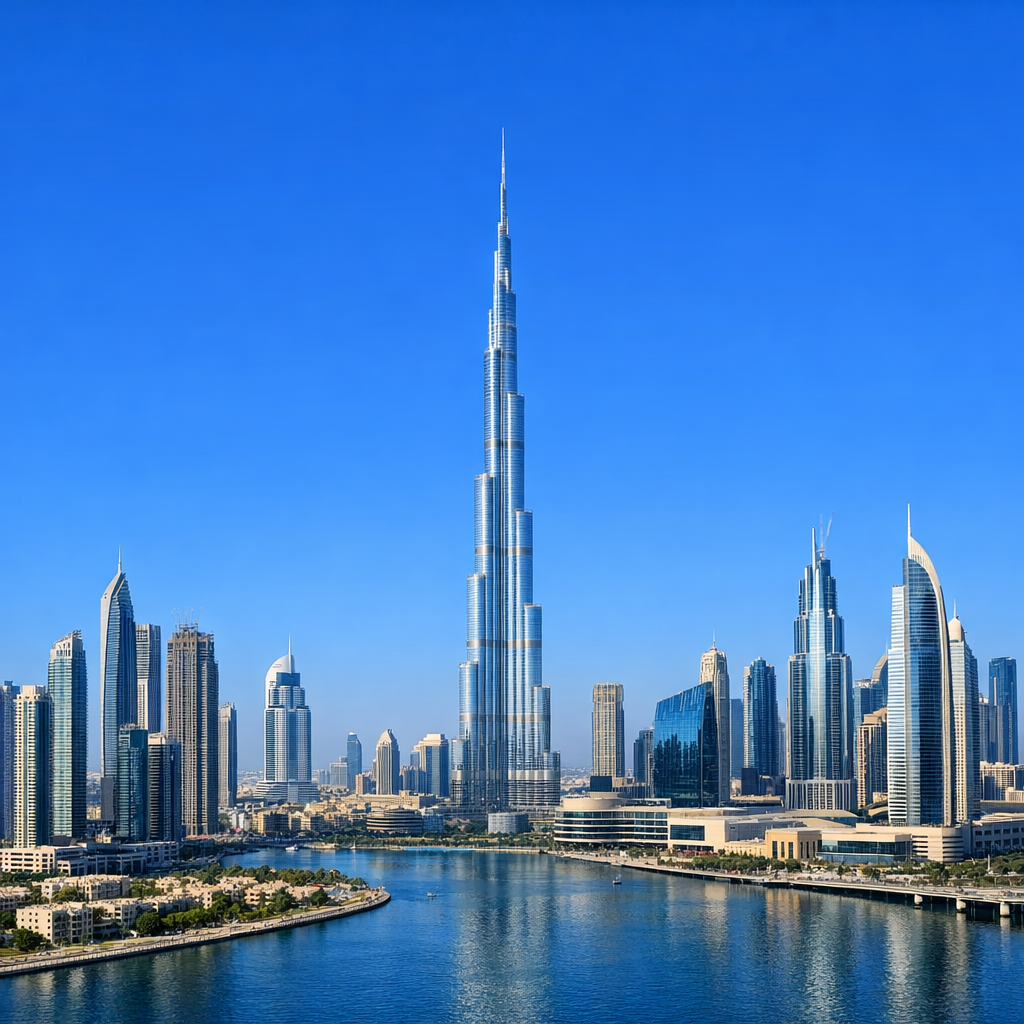
Dubai’s climate is characterized by its hot desert environment, offering residents and visitors a range of weather conditions throughout the year. Understanding these patterns is essential for planning activities and ensuring comfort.
Winter (December to February)
During winter, Dubai experiences mild temperatures, with daytime averages around 23°C (73°F) and cooler evenings. This season is considered the most comfortable, making it ideal for outdoor activities and tourism. Rainfall is minimal but more frequent than in other seasons, occasionally leading to brief showers.
Spring (March to May)
Spring marks a transitional period where temperatures gradually rise. Early spring remains pleasant, but by May, daytime temperatures can reach up to 38°C (100°F). Dust storms, driven by shifting wind patterns, are more common during this time, reducing visibility and affecting air quality.
Summer (June to September)
Summer in Dubai is intense, with daytime temperatures often exceeding 40°C (104°F) and high humidity levels, especially near the coast. The combination of heat and moisture creates challenging conditions for outdoor activities. Sandstorms, known locally as ‘shamal’ winds, are prevalent, further impacting visibility and air quality.
Autumn (October to November)
Autumn brings a gradual decrease in temperatures and humidity, transitioning back to more comfortable conditions. By November, daytime temperatures average around 30°C (86°F), making it suitable for resuming outdoor activities.
Environmental Considerations
Dubai’s rapid urbanization and industrial activities contribute to air quality challenges. Vehicle emissions, construction dust, and industrial pollutants can elevate the Air Quality Index (AQI), particularly during summer months. Residents are advised to monitor AQI levels and take necessary precautions during periods of poor air quality.
Understanding Dubai’s seasonal weather patterns and environmental factors is crucial for both residents and visitors to make informed decisions and ensure well-being throughout the year.