

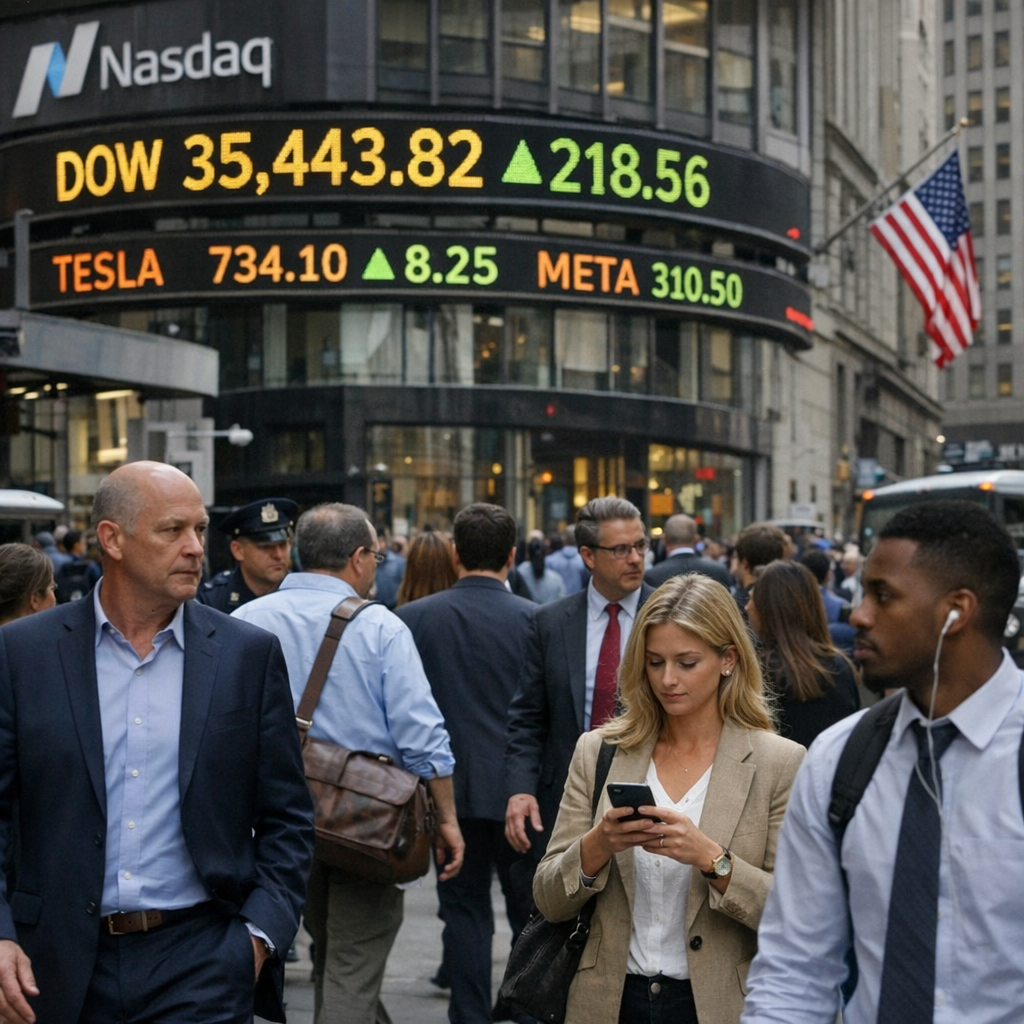
The United States economy continues to demonstrate resilience amid a complex interplay of policy changes and global uncertainties. Recent data indicates a steady growth trajectory, with real GDP increasing by 2.2% in 2025, aligning with the average annual rate observed from 2000 to 2024. This growth is underpinned by robust consumer spending and a dynamic labor market.
Labor Market Dynamics
The labor market has shown signs of stabilization. As of April 2026, the unemployment rate stands at 4.3%, with the economy adding 115,000 jobs in April alone. This marks a significant improvement over the previous year, reflecting the economy’s capacity to generate employment opportunities despite prevailing challenges.
Policy Impacts and Public Sentiment
Recent fiscal policies, including tax cuts and increased tariffs, have had a multifaceted impact on the economy. While tax reductions have provided a modest boost to consumer spending, the introduction of higher tariffs has led to increased costs for certain goods, affecting both businesses and consumers. Public sentiment reflects these complexities; a Pew Research Center survey from February 2026 reveals that 72% of Americans rate economic conditions as only fair or poor, indicating widespread concern over economic stability.
Inflation and Monetary Policy
Inflation remains a focal point for policymakers. The Consumer Price Index (CPI) recorded a 2.4% increase over the 12 months leading up to January 2026. The Federal Reserve faces the delicate task of balancing interest rate decisions to manage inflation without stifling economic growth. The appointment of Kevin Warsh as the new Federal Reserve Chairman introduces additional considerations regarding the central bank’s approach to monetary policy.
Global Trade and Energy Considerations
Trade policies continue to influence economic dynamics. The renegotiation of trade agreements and the implementation of tariffs have introduced uncertainties for businesses engaged in international trade. Additionally, geopolitical tensions, particularly in the Middle East, have led to fluctuations in energy prices, impacting transportation and production costs across various sectors.
Looking Ahead
As the U.S. navigates these economic complexities, the interplay between fiscal policies, public sentiment, and global factors will be crucial in shaping the nation’s economic trajectory. Stakeholders, including policymakers, businesses, and consumers, must remain vigilant and adaptable to the evolving economic landscape.