

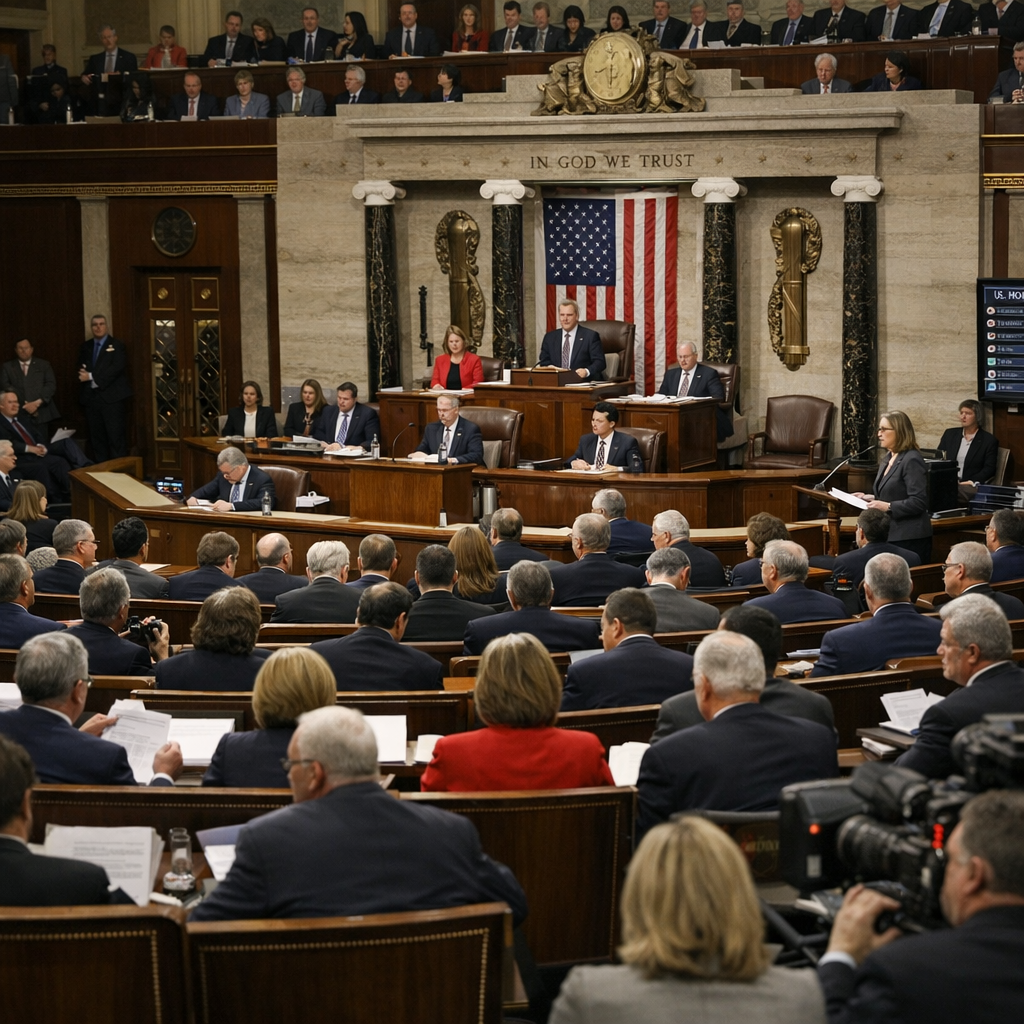
The United States is currently experiencing a period of significant political activity, with developments that have far-reaching implications both domestically and internationally.
Redistricting Efforts and Political Dynamics
Recent redistricting initiatives have reshaped the political landscape in several states. For instance, in North Carolina’s Triangle region, a new Republican-leaning congressional district was established, consolidating GOP control despite the state’s nearly even split in statewide voting patterns. This move reflects a broader trend of strategic redistricting efforts aimed at influencing electoral outcomes.
Public Sentiment and Political Concerns
Public anxiety regarding the political system is notably high. A Gallup poll indicates that approximately one-third of Americans view politics and government as the nation’s most pressing issues. This concern is particularly pronounced among older demographics, while younger Americans are more focused on economic challenges such as housing affordability. This generational divide underscores the multifaceted nature of public concerns in the current political climate.
Economic Indicators and Policy Responses
Economically, the U.S. is navigating a complex landscape. The International Monetary Fund (IMF) projects steady growth for the U.S. economy, with a forecasted growth rate of 2.3%. However, challenges persist, including rising home prices and debates over interest rate adjustments. Federal Reserve officials remain divided on future interest rate moves, with some predicting increases while others see potential for reductions, amid uncertainty over inflation trends linked to the Iran conflict.
Looking Ahead
As the U.S. approaches the midterm elections, the interplay between redistricting efforts, public sentiment, and economic policies will be critical in shaping the nation’s political trajectory. Observers both domestically and internationally will be closely monitoring these developments to gauge their potential impact on global affairs.