

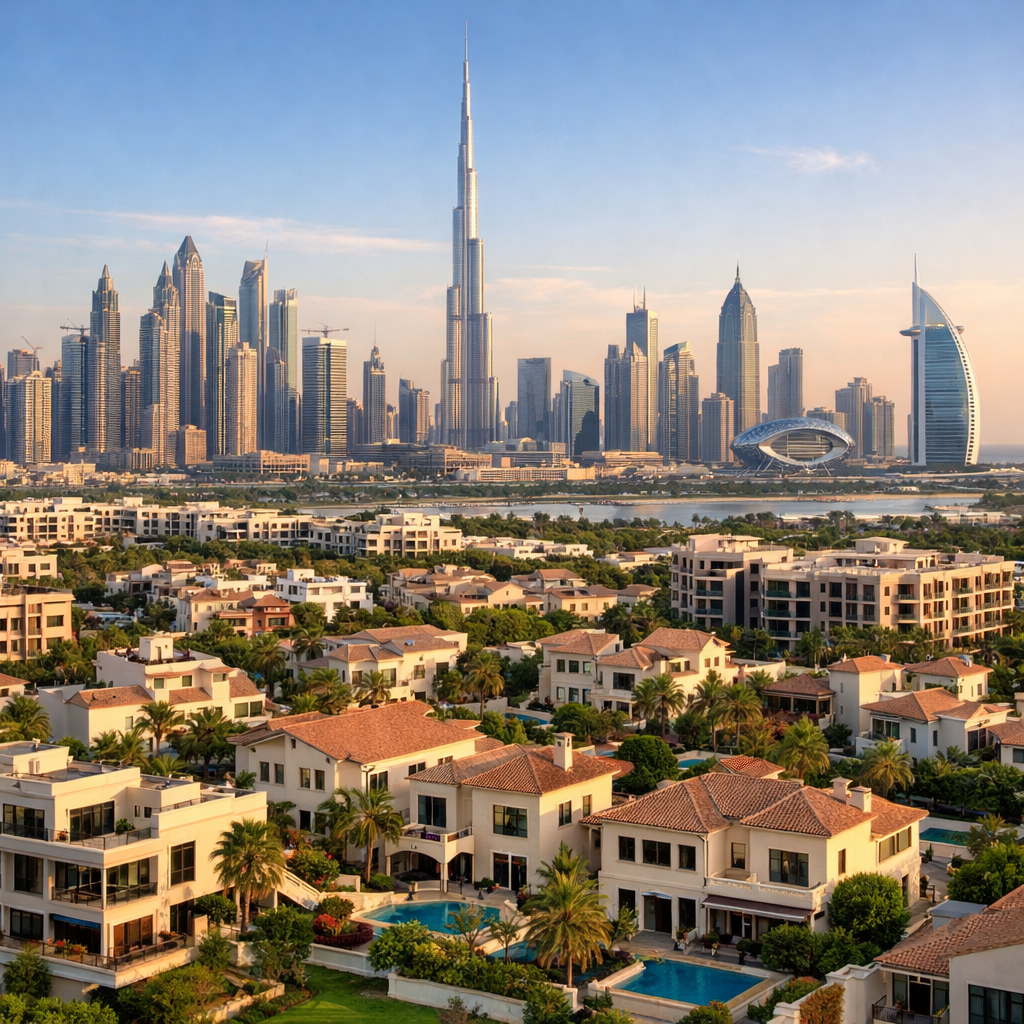
Dubai’s rental landscape is undergoing significant changes, presenting both challenges and opportunities for tenants and investors. Understanding these shifts is crucial for making informed decisions in the current market.
Current Trends in Dubai’s Rental Market
Recent data indicates a softening in rental prices across various segments. For instance, average apartment rents have decreased by approximately 4.6% from the first quarter of 2026 to April 2026, settling around AED 90,940. This decline is more pronounced in prime areas such as Downtown Dubai, Palm Jumeirah, and Jumeirah Lake Towers, where rents have dropped by about 15% from their peaks. Conversely, villa rents have continued to rise, with an average increase of 3.3% over the same period, reaching approximately AED 229,000. This divergence highlights a two-speed rental market, with apartments experiencing a cooldown while villas remain in demand.
Factors Influencing the Market
The softening in apartment rents is largely supply-driven. A substantial delivery pipeline, particularly in areas like Jumeirah Village Circle and Business Bay, has provided tenants with more options, thereby increasing their negotiating power. In contrast, the villa segment remains undersupplied, contributing to the continued rise in rents. Additionally, the implementation of the Smart Rental Index by the Real Estate Regulatory Agency (RERA) has introduced a more structured approach to rent adjustments, benefiting tenants in a softening market.
Implications for Tenants
For tenants, the current market conditions offer a window of opportunity. The increased supply and resulting competition among landlords mean that tenants have greater leverage to negotiate favorable terms. It’s advisable for tenants to stay informed about the Smart Rental Index, which governs permissible rent increases, ensuring they are aware of their rights and can make informed decisions during lease renewals.
Considerations for Investors
Investors should approach the market with a nuanced strategy. The cooling apartment segment suggests a need for careful selection of properties, focusing on areas with sustained demand or unique value propositions. The villa market, while currently strong, requires attention to affordability ceilings and potential shifts in demand. Diversifying portfolios and staying attuned to market dynamics will be key to navigating the evolving landscape.
Looking Ahead
As the market continues to adjust, both tenants and investors should remain vigilant. Monitoring supply pipelines, regulatory changes, and broader economic indicators will provide valuable insights. Engaging with reputable real estate professionals and staying informed through reliable sources will aid in making strategic decisions aligned with the current and future state of Dubai’s rental market.