

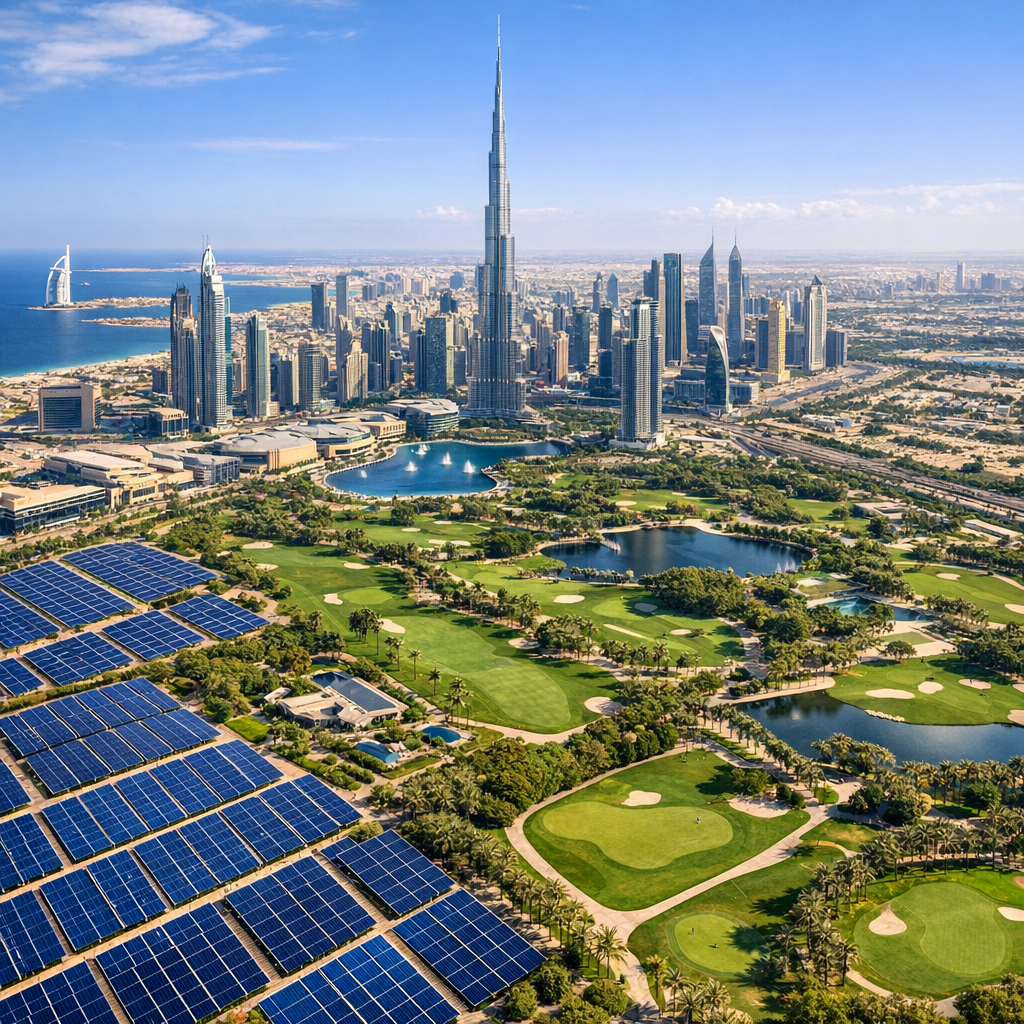
Dubai has long been recognized for its rapid development and architectural marvels. However, alongside its urban growth, the emirate has demonstrated a steadfast commitment to environmental sustainability. This article delves into the various initiatives and strategies that Dubai has implemented to promote a greener future.
Environmental Authorities and Their Roles
At the federal level, the Ministry of Climate Change and Environment (MOCCAE) is responsible for developing and implementing national policies related to environmental sustainability, climate change, and food security. In Dubai, the Dubai Municipality plays a pivotal role in enforcing environmental regulations, monitoring air and water quality, and managing waste disposal and recycling initiatives. Additionally, the Dubai Environment and Climate Change Authority (DECCA) is dedicated to protecting the environment and ensuring sustainability through innovative policies that balance economic growth with environmental conservation.
Key Sustainability Initiatives
Dubai Can
Launched in 2022, the ‘Dubai Can’ initiative aims to reduce the use of single-use plastic bottles by encouraging residents to use refillable water bottles and public water stations. This movement aligns with Dubai’s commitment to becoming one of the world’s most sustainable cities and supports the UAE’s NetZero 2050 initiative.
Mangrove Planting and Beach Clean-Up
In collaboration with the Dubai Environment and Climate Change Authority, the Dubai Electricity and Water Authority (DEWA) has undertaken significant efforts to plant mangrove trees and clean up beaches. In 2026, DEWA planted 700 mangrove trees at the Jebel Ali Marine Sanctuary, involving 254 volunteers who contributed 508 hours of service. These initiatives aim to protect marine biodiversity and support the UAE’s goal to plant 100 million mangrove trees by 2030.
Protected Areas
To preserve its natural beauty, Dubai has established eight protected areas covering approximately 31% of its total area. These reserves represent all major ecosystem types in the emirate, including mountain, desert, coastal, and marine environments. Managed by the Dubai Municipality, these areas aim to protect, restore, and promote the ecosystems and natural biodiversity through scientific research, monitoring, educational, and sustainable recreational initiatives.
Commitment to Renewable Energy
Dubai is making significant strides in renewable energy through projects like the Mohammed bin Rashid Al Maktoum Solar Park. This solar park is the largest single-site solar park in the world, with a planned production capacity of more than 5,000MW by 2030. Upon completion, it is expected to reduce more than 6.5 million tonnes of carbon emissions annually.
Community Engagement and Education
Community involvement is a cornerstone of Dubai’s environmental strategy. Initiatives like the ‘Dubai Can’ movement and mangrove planting campaigns actively engage residents, fostering a culture of sustainability. Educational programs and public awareness campaigns further empower individuals to make environmentally conscious decisions in their daily lives.
Dubai’s comprehensive approach to environmental sustainability reflects a deep-seated commitment to balancing rapid urban development with ecological preservation. Through robust policies, innovative initiatives, and active community engagement, the emirate is paving the way for a sustainable future that serves as a model for cities worldwide.