

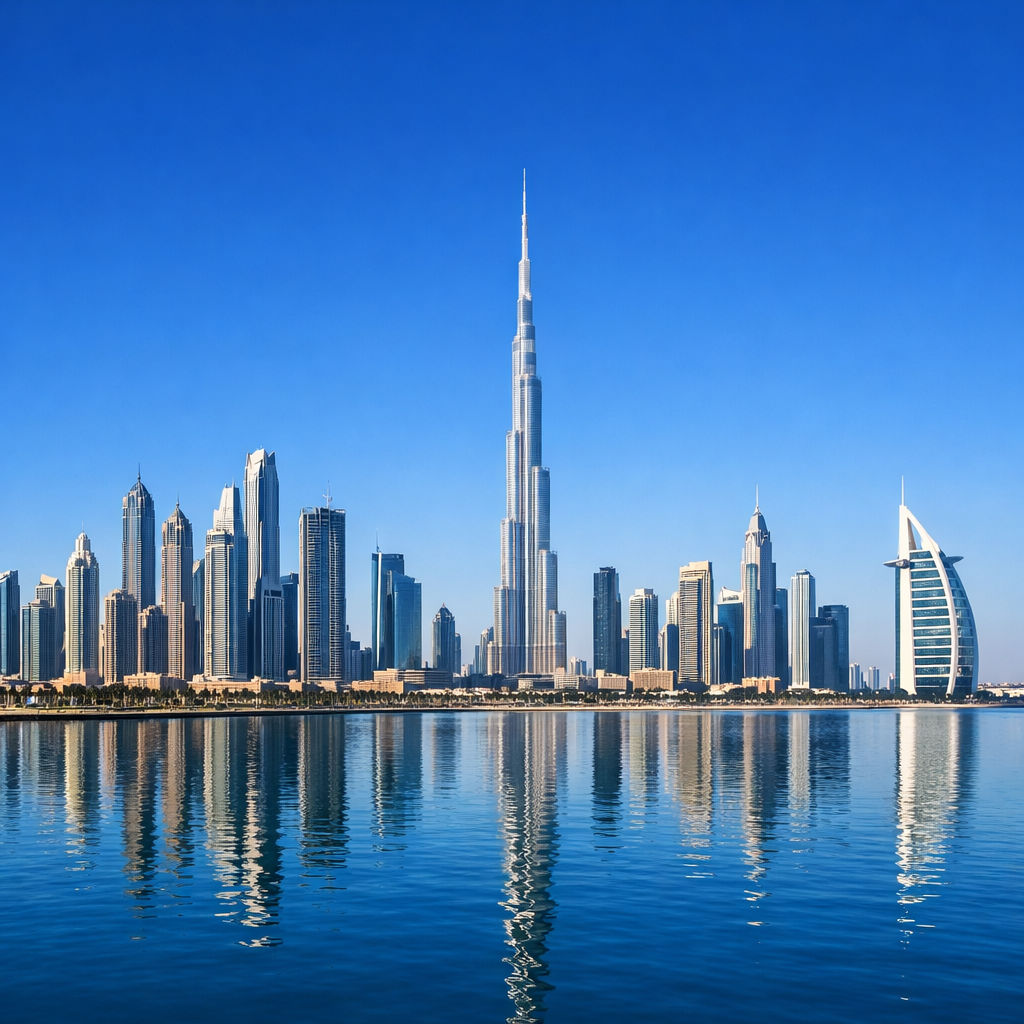
Dubai’s climate is characterized by its hot desert environment, offering residents and visitors a range of weather conditions throughout the year. Understanding these patterns is essential for planning activities and ensuring comfort.
Winter (December to February)
During winter, Dubai experiences mild temperatures, with daytime averages around 23°C (73°F) and cooler evenings. This season is ideal for outdoor activities, as the weather is pleasant and rainfall is minimal, though occasional showers can occur.
Spring (March to May)
Spring brings a gradual increase in temperatures, transitioning from the mildness of winter to the heat of summer. Early spring remains comfortable, but by May, daytime temperatures can rise significantly. Dust storms, driven by shifting wind patterns, are more common during this period.
Summer (June to September)
Summer in Dubai is marked by intense heat, with daytime temperatures often exceeding 40°C (104°F). High humidity levels, especially near the coast, can make the heat feel even more oppressive. Outdoor activities are best limited to early mornings or evenings, and staying hydrated is crucial.
Autumn (October to November)
Autumn sees a gradual decrease in temperatures, offering a respite from the summer heat. By November, the weather becomes more comfortable, making it suitable for resuming outdoor activities and enjoying the city’s attractions.
Environmental Considerations
Dubai’s rapid urbanization and industrial activities have implications for air quality. Vehicle emissions, construction dust, and industrial pollutants contribute to varying air quality levels. Monitoring local air quality indices and taking necessary precautions, such as wearing masks during high pollution days, can help mitigate health risks.
Additionally, sandstorms, driven by strong north-westerly winds known as ‘Shamal,’ can occur, reducing visibility and affecting daily life. Staying informed about weather forecasts and taking appropriate measures during such events is advisable.
By understanding Dubai’s seasonal weather patterns and environmental factors, residents and visitors can better prepare for and adapt to the city’s unique climate.