

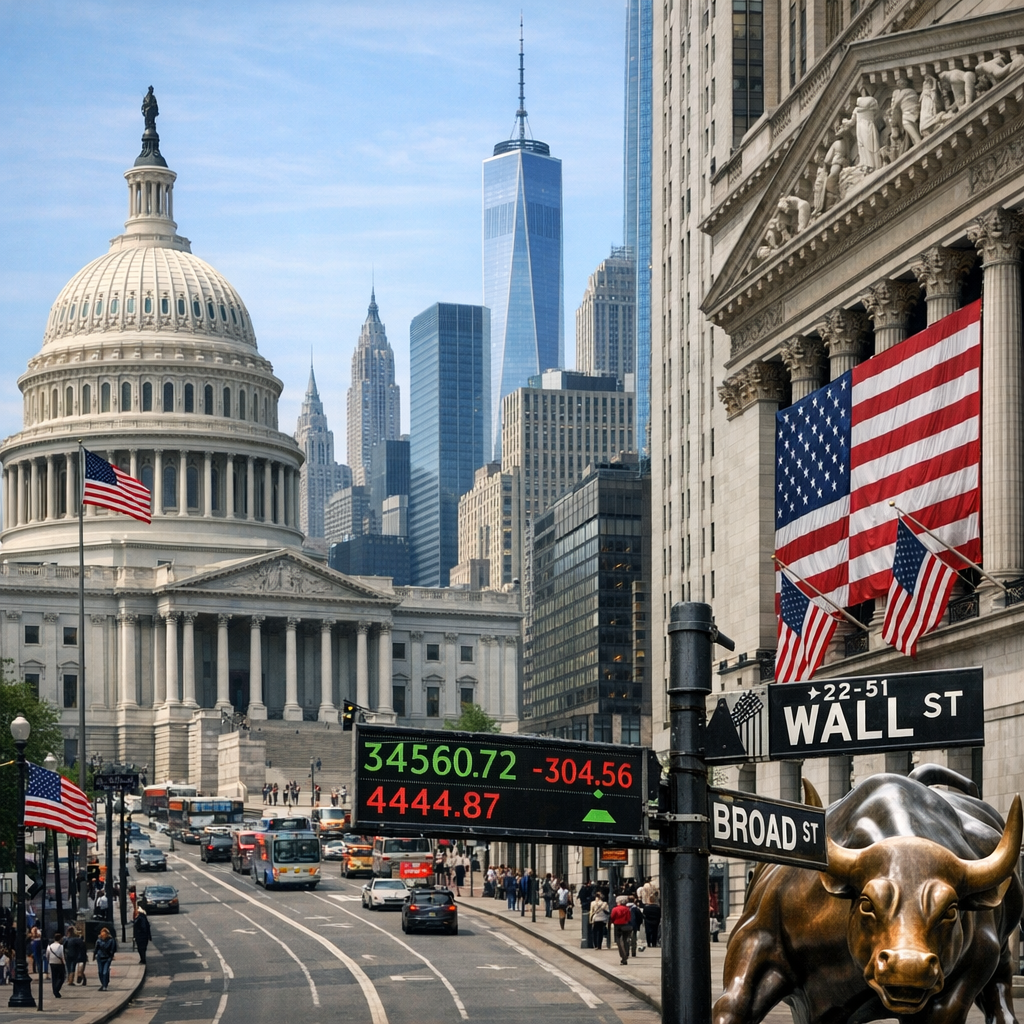
The United States is currently experiencing a dynamic political and economic environment, marked by significant developments that have both domestic and international implications.
Political Climate and Public Sentiment
Recent polling data indicates a heightened level of public concern regarding the U.S. political system. Approximately one-third of Americans identify politics and government as the nation’s most pressing issues. This sentiment is particularly pronounced among older demographics, while younger Americans are more focused on economic challenges such as housing affordability and basic needs. This generational divide mirrors trends observed in other high-income countries grappling with similar issues.
Economic Indicators and Challenges
The U.S. economy presents a mixed picture. The International Monetary Fund (IMF) projects a steady growth rate of 2.3% for the U.S. in 2026, despite a global economic slowdown influenced by geopolitical conflicts. However, the housing market is facing challenges, with home prices reaching an all-time high and sales activity slowing. This trend exacerbates affordability issues for prospective homebuyers.
Federal Reserve officials are divided over future interest rate moves, reflecting uncertainty over inflation trends linked to ongoing geopolitical tensions. The labor market remains solid, with a slight decrease in jobless claims, though job creation has slowed notably in recent months.
Implications for the Future
These developments underscore the complexities of the current U.S. political and economic landscape. The interplay between public sentiment, economic indicators, and policy decisions will continue to shape the nation’s trajectory in the coming months and years.