

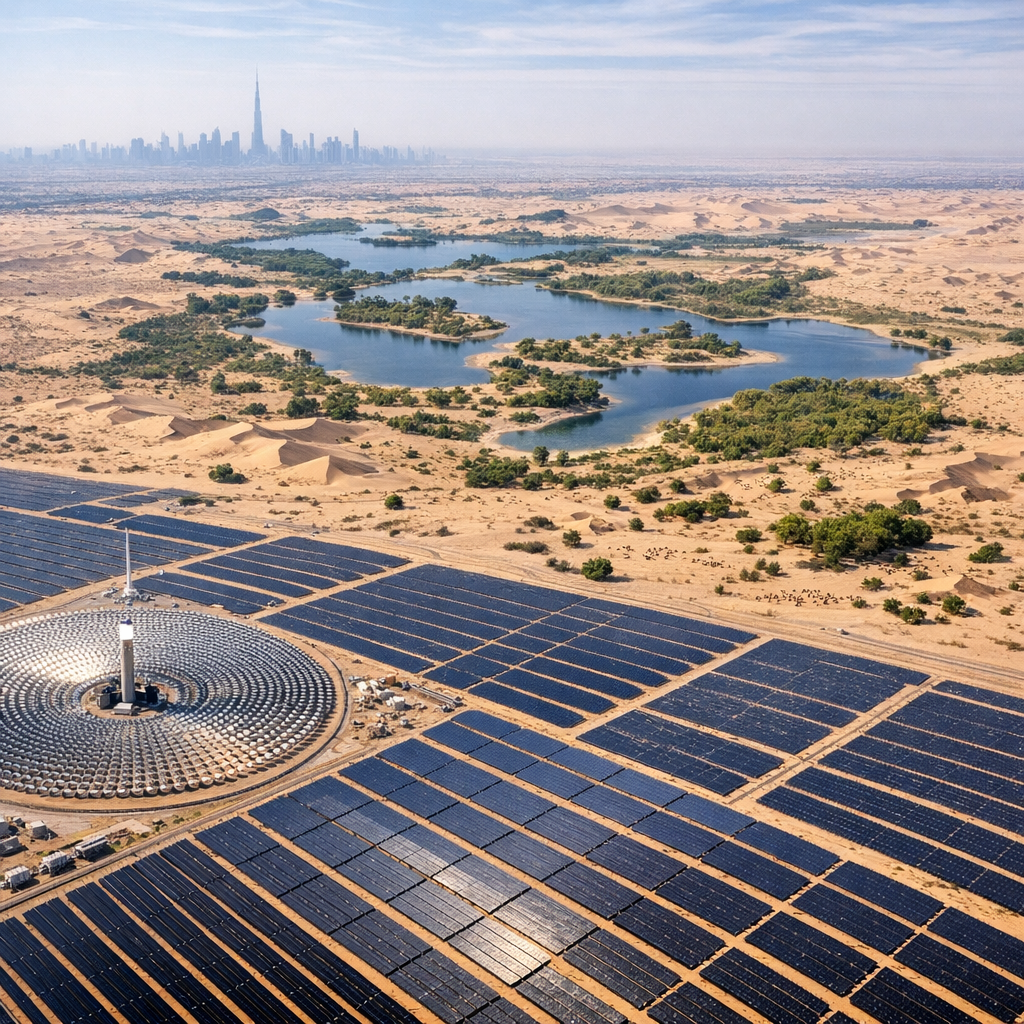
Dubai has long been recognized for its rapid development and urbanization. However, alongside this growth, the emirate has demonstrated a strong commitment to environmental sustainability through a series of initiatives aimed at preserving natural resources and promoting eco-friendly practices.
Conservation of Natural Reserves
In 2014, Dubai Municipality established eight protected areas covering approximately 31% of the emirate’s total area. These reserves encompass diverse ecosystems, including mountains, deserts, and coastal regions. The primary objectives are to protect, restore, and promote the natural biodiversity of these areas through scientific research, monitoring, education, and sustainable recreational activities.
Advancements in Clean Energy
Dubai has made significant strides in clean energy production. The Mohammed bin Rashid Al Maktoum Solar Park, the world’s largest single-site solar park, aims to achieve a production capacity of 5,000 MW by 2030. This project is expected to reduce carbon emissions by over 6.5 million tons annually, contributing substantially to the emirate’s sustainability goals.
Waste Management and Recycling
The Integrated Waste Management Strategy 2041 focuses on innovation in waste management, recycling, and energy conversion. With a budget of AED 74.5 billion, including AED 70.5 billion from the private sector, the strategy aims to promote sustainable waste practices. Additionally, the Waste to Energy Center in Warsan, the largest and most efficient facility of its kind globally, has the capacity to treat around 2 million tons of solid waste annually, generating power for over 135,000 homes.
Community Engagement and Sustainability Initiatives
Community involvement plays a crucial role in Dubai’s environmental efforts. The ‘Dubai Can’ initiative encourages residents to reduce single-use plastic water bottle waste by promoting the use of refillable bottles and providing access to free drinking water through public stations. This movement fosters a culture of conscious living and sustainability among the populace.
Corporate Contributions to Environmental Sustainability
Private sector entities are also contributing to Dubai’s environmental goals. Dubai Holding, for instance, has implemented various initiatives focusing on carbon management, energy efficiency, water conservation, and biodiversity protection. Notably, the company is a strategic partner in the DUBAI REEF program, one of the world’s largest purpose-built reef developments, aimed at restoring marine habitats and enhancing biodiversity.
Through these comprehensive efforts, Dubai continues to demonstrate its dedication to environmental sustainability, balancing rapid urban development with the preservation and enhancement of its natural ecosystems.