

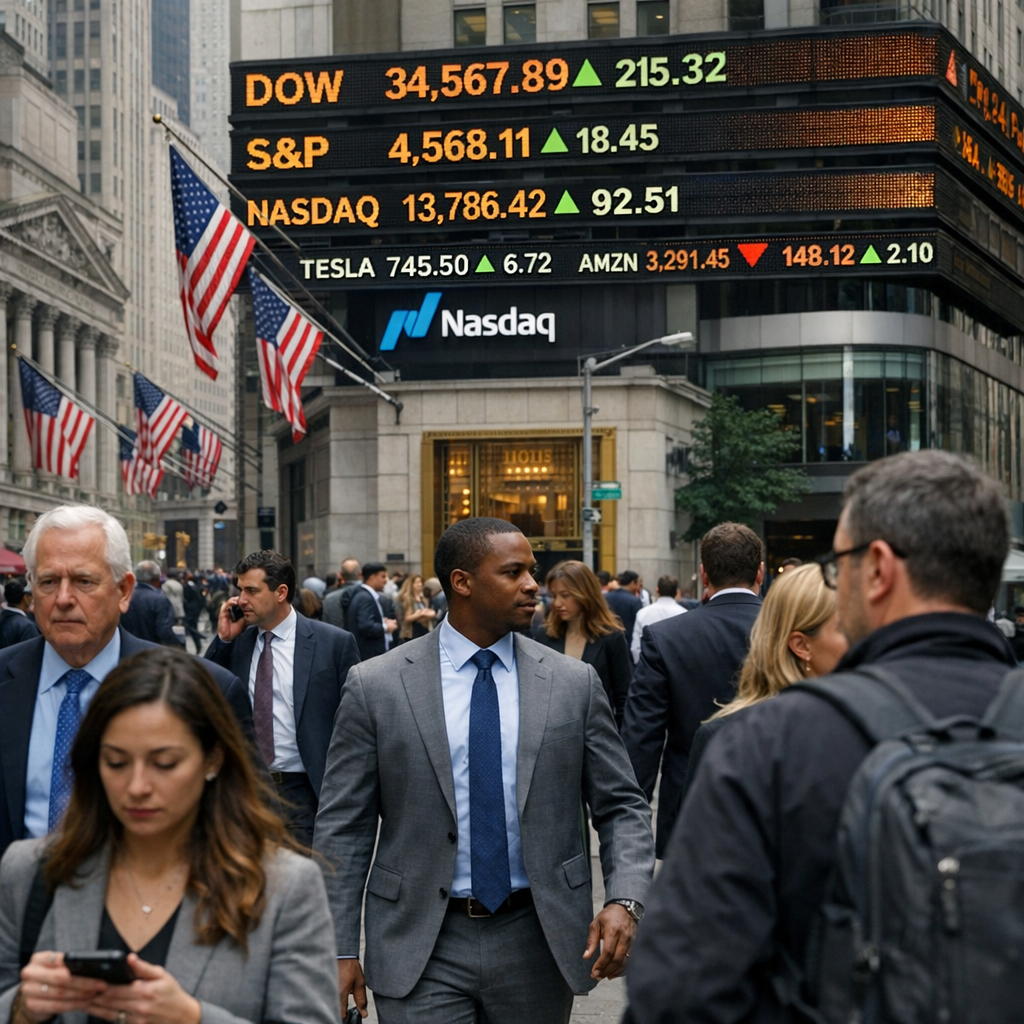
The United States continues to experience significant economic and political shifts, with recent developments influencing both domestic and international landscapes.
Economic Performance and Outlook
In 2025, the U.S. economy demonstrated resilience, achieving a 2% growth rate despite policy changes and a government shutdown in the fourth quarter. This growth was underpinned by strong productivity gains, even as employment growth slowed due to reduced immigration flows. Inflation remained stable, with tariff-induced increases in goods prices offset by declining services inflation. The fiscal deficit narrowed slightly, though both debt and the current account deficit remained elevated. Looking ahead, GDP growth is projected to rise to 2.4% in 2026, with core PCE inflation expected to return to 2% during the first half of 2027. Employment growth is anticipated to slow further, but unemployment should stay near 4%. However, rising energy prices pose upside risks to inflation. [Source: IMF Executive Board Concludes 2026 Article IV Consultation with the United States]
Political Developments and Investor Implications
As the U.S. midterm elections approach, notable policy shifts are expected to impact the economy and financial markets. Key trends include:
- Geopolitical Tensions: The U.S. is focusing on reducing reliance on China for rare earths, a strategic move tied to national defense and technological autonomy. This shift may boost defense spending and benefit related industries.
- Tax Cuts: The One Big Beautiful Bill Act (OBBBA) is projected to provide approximately $160 billion in consumer deductions and credits in the 2026 tax year, potentially increasing total tax refunds by 44% year-over-year. This could bolster consumer spending, particularly in consumer staples sectors.
- Federal Reserve Dynamics: The central bank faces challenges, including political pressure for lower interest rates and potential restructuring of its leadership, which could influence monetary policy decisions and market volatility.
Investors should monitor these developments closely, as they may introduce volatility into equity markets and affect various sectors differently. [Source: 7 Political Trends Investors Should Watch in 2026]
Public Sentiment on Key Issues
Public opinion reflects concerns about the nation’s economic conditions. As of January 2026, only 28% of adults rated national economic conditions as excellent or good, while 72% viewed them as only fair or poor. Partisan differences are evident, with 49% of Republicans expressing a positive view of the economy, compared to just 10% of Democrats. Additionally, 28% of Americans believe the president’s policies have improved economic conditions, while 52% think they have worsened. [Source: State of the Union 2026: Where Americans stand on key issues facing the nation]
Conclusion
The U.S. is navigating a complex economic and political environment, with policy changes and public sentiment shaping the nation’s trajectory. Staying informed on these developments is crucial for understanding their potential impacts on both domestic and global scales.