

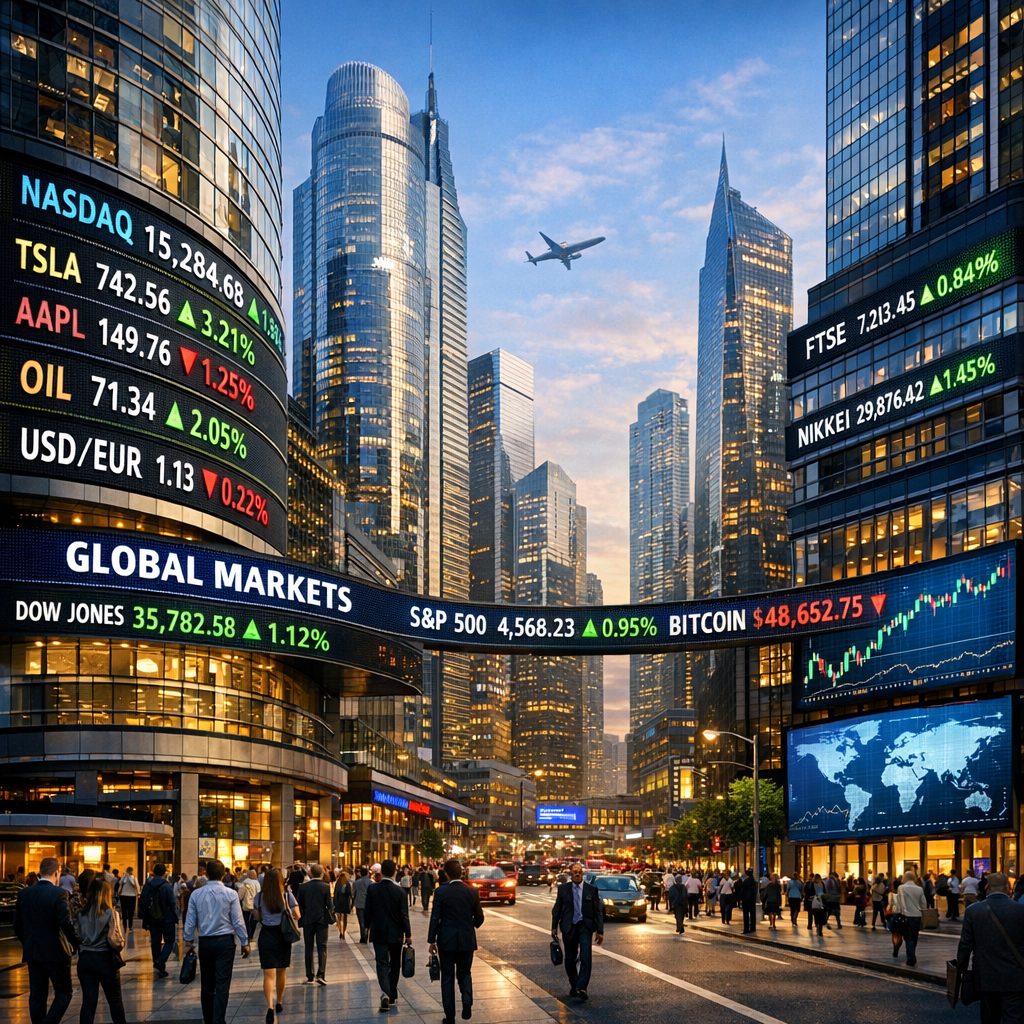
The global economy continues to demonstrate resilience in the face of ongoing geopolitical tensions and economic uncertainties. Recent analyses indicate that while challenges persist, strategic investments in technology and energy are fostering growth across various regions.
Global Growth Projections
According to the World Bank’s latest report, global growth is projected to remain steady, easing to 2.6% in 2026 before rising to 2.7% in 2027. This stability reflects better-than-expected growth, particularly in the United States, which accounts for a significant portion of the upward revision in the forecast. However, the report also highlights that the 2020s are on track to be the weakest decade for global growth since the 1960s, emphasizing the need for proactive policy measures to stimulate economic dynamism.
Technological Investments Driving Growth
Investments in artificial intelligence (AI) are playing a pivotal role in bolstering economic resilience. Morgan Stanley’s midyear economic outlook underscores that AI-related capital expenditures, coupled with resilient consumer spending, are driving growth in the U.S. economy. This trend is contributing to a global growth projection of 3.2% for the full year, with expectations of recovery to 3.4% in 2027 as energy prices stabilize.
Energy Sector Developments
The energy sector remains a critical factor influencing global economic performance. The World Economic Forum’s Chief Economists’ Outlook highlights that while the global economic outlook has improved modestly, concerns persist regarding asset valuations, mounting debt, and geoeconomic realignment. The report emphasizes the importance of navigating the uncertain environment with agility, particularly in light of rapid AI deployment and shifts in fiscal and monetary policies.
Implications for Dubai
For Dubai, a city deeply integrated into the global economy, these developments present both opportunities and challenges. The emphasis on AI and technological advancements aligns with Dubai’s strategic vision to become a leading smart city. Additionally, fluctuations in the energy sector are particularly pertinent given the region’s economic ties to oil markets. Staying attuned to these global trends will be essential for policymakers and business leaders in Dubai to navigate the evolving economic landscape effectively.
In conclusion, while the global economy faces a complex array of challenges, strategic investments in technology and energy are fostering resilience and growth. For Dubai, aligning with these global trends will be crucial in sustaining its economic momentum and achieving long-term prosperity.