

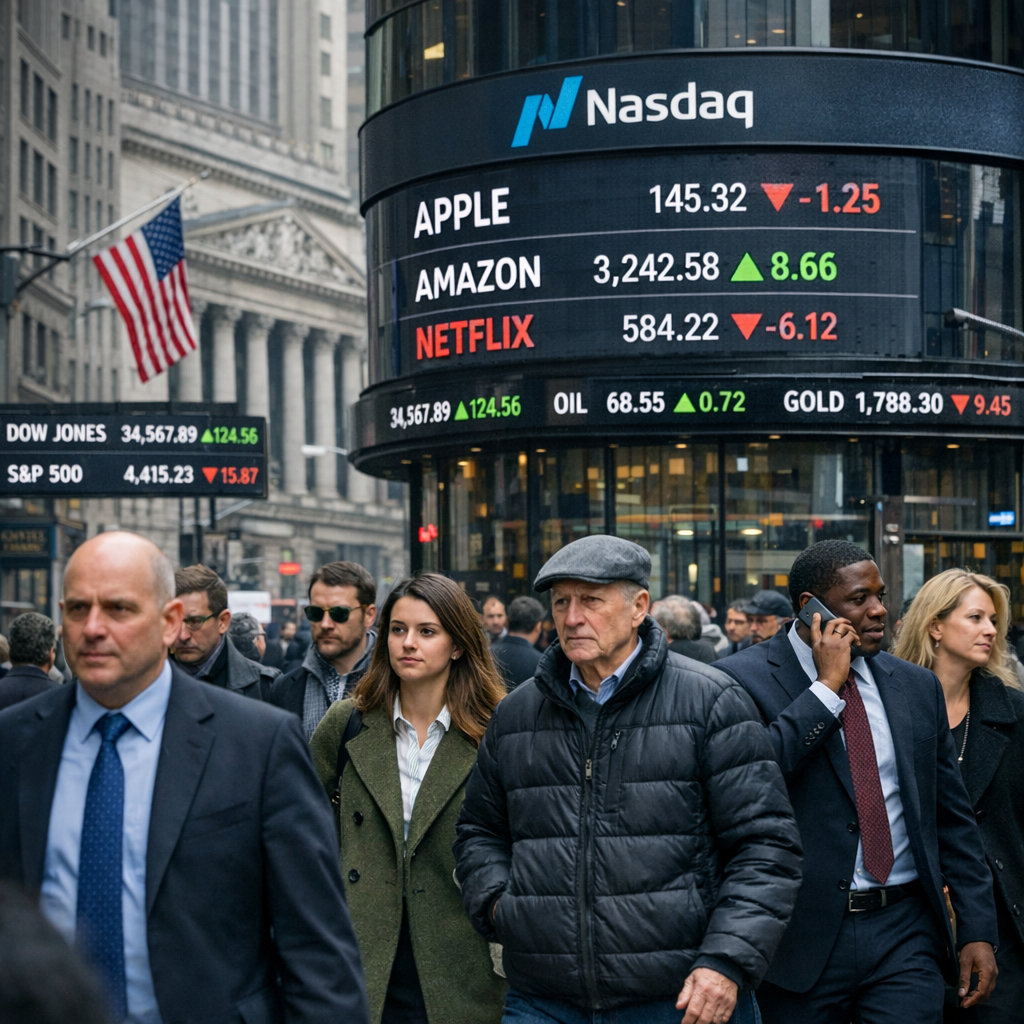
The United States economy has exhibited a mix of resilience and challenges in recent times. Key economic indicators provide insight into the nation’s financial health and the factors influencing its trajectory.
Economic Growth and Employment
According to the International Monetary Fund (IMF), the U.S. economy is projected to grow by 2.4% in the fourth quarter of 2026, an increase from the previous year’s 2.2% growth. This uptick is accompanied by a decline in unemployment rates, expected to drop from 4.5% in late 2025 to 4.1% in 2026. Such trends suggest a strengthening labor market and increased economic activity.
Inflation and Monetary Policy
Inflation remains a focal point for policymakers. The Federal Reserve has maintained interest rates at 3.6% but is considering adjustments to address inflationary pressures. The IMF advises caution, recommending that the Fed hold off on deeper rate cuts unless there is a significant deterioration in the job market.
Consumer Confidence and Spending
Consumer sentiment has been influenced by various factors, including geopolitical events and domestic policies. While retail sales have shown modest increases, concerns about the cost of living persist among Americans. This sentiment underscores the importance of monitoring consumer behavior as a gauge of economic health.
Global Trade and Tariffs
Trade policies continue to impact the U.S. economy. Recent tariff implementations have affected various sectors, leading to discussions about their long-term effects on growth and international relations. Businesses and consumers alike are navigating these changes, adjusting to new market dynamics.
Conclusion
The U.S. economy demonstrates both strengths and areas for vigilance. While growth and employment figures are promising, inflation and trade policies require careful management to sustain economic stability. Observing these indicators will be crucial for understanding the future direction of the nation’s economy.