

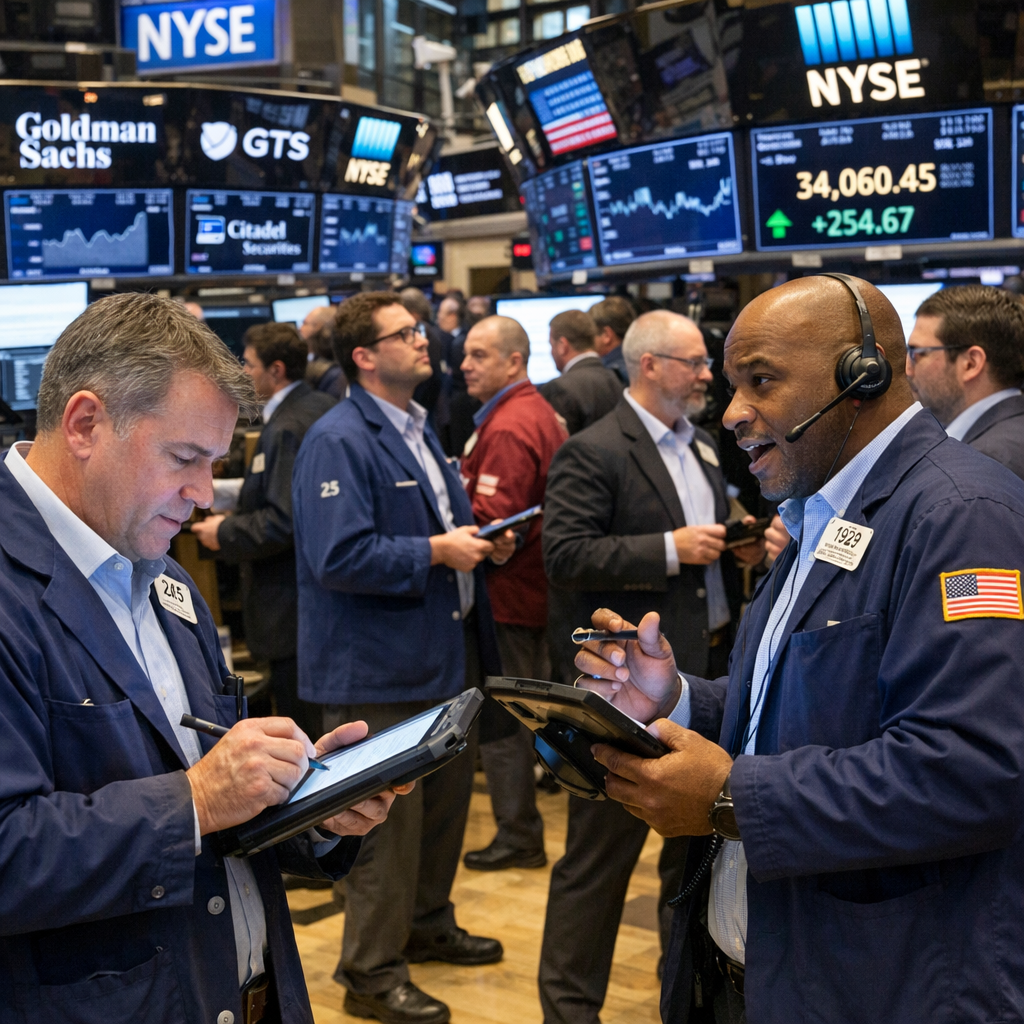
The United States economy has demonstrated remarkable resilience in the face of significant policy shifts and global uncertainties. As of mid-2026, the nation continues to navigate a complex economic landscape shaped by recent fiscal policies, trade dynamics, and geopolitical tensions.
Economic Growth and Employment
In 2025, the U.S. economy expanded with a real GDP growth of 2.2%, aligning with the average annual rate observed from 2000 to 2024. This growth was underpinned by robust consumer spending and a buoyant stock market. The labor market remained steady, with the unemployment rate hovering around 4.3% as of April 2026. Notably, the economy added 115,000 jobs in April alone, indicating a strengthening recovery trajectory.
Fiscal Policies and Trade Dynamics
Recent fiscal policies, including tax cuts and increased government spending, have provided a modest boost to economic activity. However, these measures have also contributed to a widening fiscal deficit, projected to remain in the 7–7.5% of GDP range, with debt exceeding 140% of GDP by 2031.
Trade policies have introduced additional complexities. The implementation of higher tariffs has led to increased costs for imported goods, contributing to inflationary pressures. While some sectors, such as domestic manufacturing, have benefited from protectionist measures, others, particularly agriculture and food processing, have faced challenges due to retaliatory tariffs and disrupted supply chains.
Monetary Policy and Inflation
The Federal Reserve faces a delicate balancing act in managing monetary policy amid political pressures and economic uncertainties. The appointment of a new Fed chair has introduced questions regarding the central bank’s independence and its approach to interest rates. Rising energy prices, partly due to geopolitical tensions, have added to inflationary concerns, complicating the Fed’s mandate to maintain price stability while supporting economic growth.
Geopolitical Influences
Geopolitical events, notably tensions in the Middle East, have had tangible impacts on the U.S. economy. Military actions have led to spikes in oil prices, affecting transportation and production costs across various sectors. These developments underscore the interconnectedness of global events and domestic economic performance.
Looking Ahead
As the U.S. approaches the midterm elections, affordability and economic stability remain central concerns for policymakers and the public. The interplay between fiscal decisions, trade policies, and global events will continue to shape the economic trajectory. Vigilant monitoring and adaptive strategies will be essential in navigating the evolving economic landscape.
In summary, while the U.S. economy exhibits strength and adaptability, it faces a multifaceted array of challenges. Understanding these dynamics is crucial for stakeholders both domestically and internationally, including those in Dubai, as they engage with the U.S. in trade, investment, and diplomatic relations.