

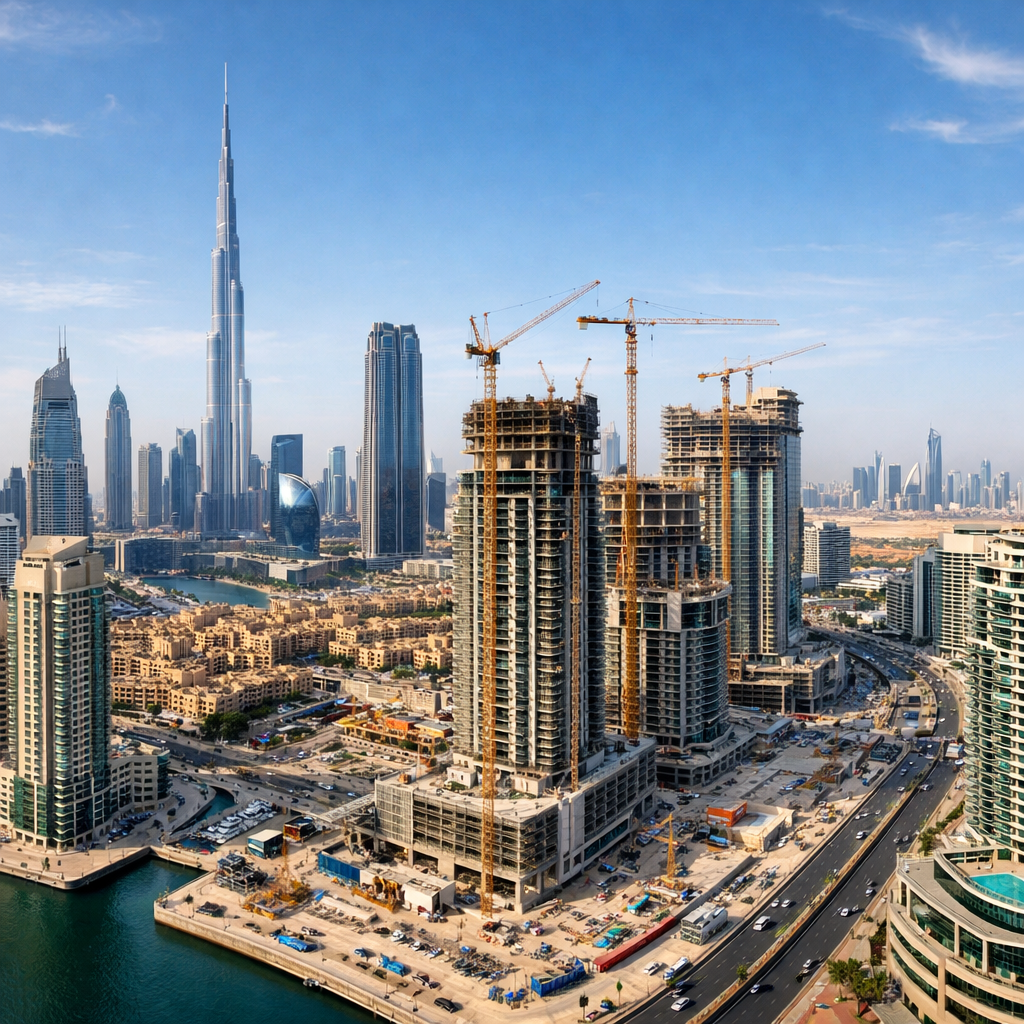
Dubai’s real estate market continues to evolve, reflecting the city’s dynamic growth and the diverse needs of its residents and investors. Understanding the current trends in market dynamics, rental patterns, home buying behaviors, and local developments is essential for making informed decisions.
Market Trends
The Dubai real estate sector has demonstrated resilience and adaptability. Recent data indicates a moderation in transaction volumes compared to previous years, suggesting a shift towards more measured buyer activity. This trend reflects a maturing market where buyers are becoming increasingly selective, emphasizing factors such as location, build quality, and long-term value over rapid investment returns.
Rental Dynamics
The rental market in Dubai remains competitive, with average gross residential rental yields standing at approximately 6.58%. Apartments yield around 6.9%, townhouses 5.1%, and villas 4.5%. These figures highlight Dubai’s attractiveness for investors seeking stable returns. However, the market is experiencing a slight compression in yields, particularly in premium locations where property prices have risen faster than rents. This underscores the importance of strategic investment choices, focusing on areas with strong demand and limited supply.
Home Buying Patterns
There’s a noticeable shift from renting to homeownership among residents, driven by favorable long-term residency policies such as the UAE Golden Visa and initiatives like Dubai’s First-Time Home Buyer Programme. This program has enabled over 2,000 residents to purchase their first home, contributing more than AED 3.25 billion in residential property sales. Additionally, there’s an increasing demand for luxury and super-luxury homes, supported by a significant rise in high-net-worth individual inflows, reinforcing Dubai’s position as a global leader in wealth migration.
Local Developments
Infrastructure developments play a pivotal role in shaping the real estate landscape. Areas linked to major projects, such as the upcoming Dubai Metro Blue Line, are witnessing increased interest. Communities like Dubai Creek Harbour, Festival City, and parts of Dubai Silicon Oasis are benefiting from enhanced connectivity, making them attractive options for both buyers and investors. Moreover, the introduction of the Flexi Rent Initiative allows for more flexible rental payment options, catering to the diverse financial preferences of tenants and potentially influencing rental market dynamics.
In conclusion, Dubai’s real estate market is characterized by a blend of stability and transformation. For potential buyers, renters, and investors, staying informed about these evolving trends is crucial to navigate the market effectively and capitalize on emerging opportunities.