

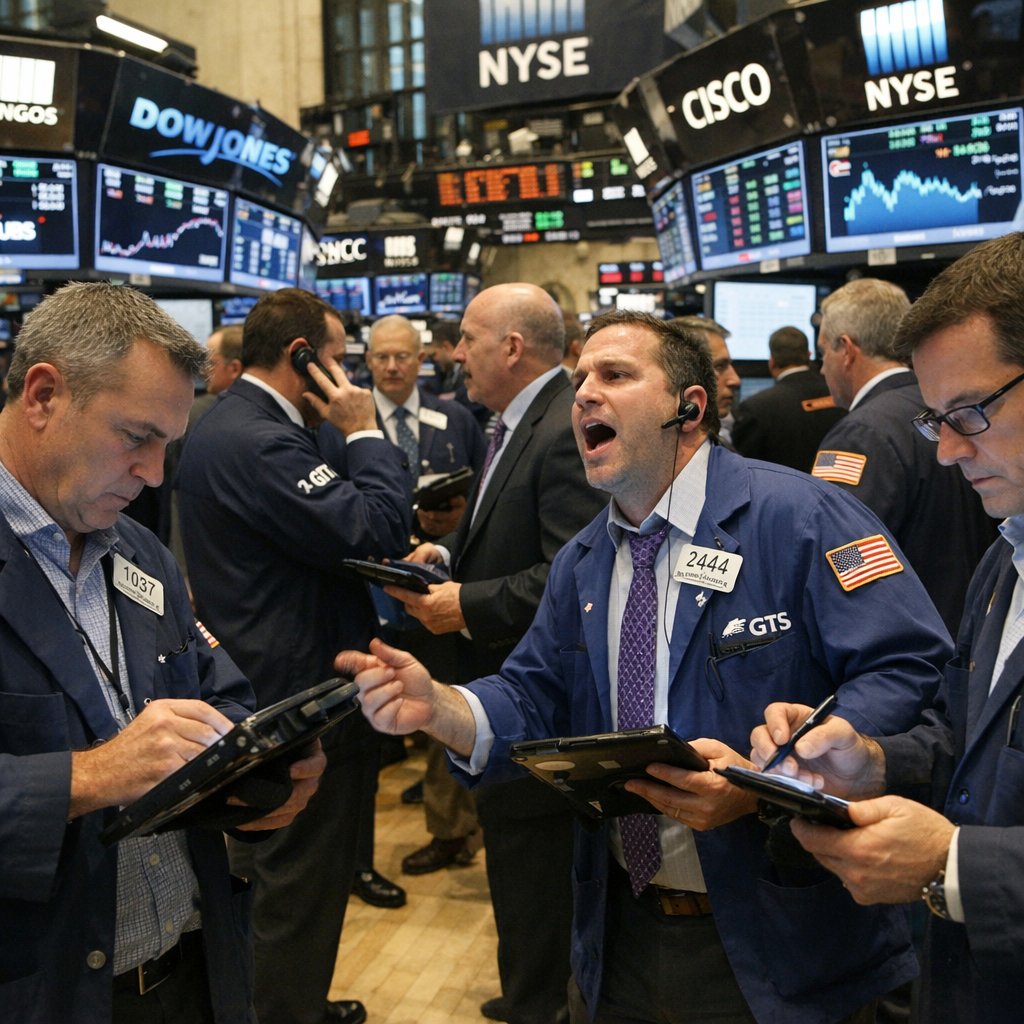
The United States continues to experience significant economic and political shifts, with implications that resonate globally, including here in Dubai.
Economic Overview
As of mid-2026, the U.S. economy demonstrates resilience amidst various challenges. The labor market remains robust, with April figures indicating the addition of 115,000 new jobs and an unemployment rate holding steady at 4.3%. This growth trajectory suggests a recovery gaining momentum, with the economy creating more jobs since January than in the entirety of 2025. The Gross Domestic Product (GDP) grew at an annualized rate of 2% in the first quarter, a pace that, while slightly lower than previous periods, still surpasses that of many Western economies.
Trade Policies and Global Impact
Trade policies under the current administration have introduced a degree of unpredictability, particularly concerning tariffs. A recent federal court ruling overturned 10% tariffs, adding to the uncertainty for businesses and investors. These tariffs have led to increased costs, notably affecting sectors such as agriculture and food processing in states like Iowa. Conversely, some regions, like Rockford, Illinois, have seen a revival in manufacturing jobs due to protectionist measures.
Internationally, these trade dynamics have implications for global markets, including Dubai’s. The fluctuating trade policies may influence commodity prices and investment flows, necessitating strategic adjustments for businesses engaged in U.S. markets.
Energy Market Fluctuations
Geopolitical tensions, particularly with Iran, have contributed to an energy crisis, leading to rising fuel prices. This escalation impacts transportation and agricultural costs, adding pressure to inflation concerns. The Federal Reserve faces a complex situation, balancing economic data that might suggest interest rate hikes against political preferences for rate cuts, thereby challenging the institution’s independence.
Political Climate and Public Sentiment
Politically, the U.S. landscape is marked by division. A Pew Research Center survey indicates that 73% of Republicans anticipate economic improvement over the next year, while 64% of Democrats expect conditions to worsen. This partisan divide reflects broader societal debates on economic policies and their effectiveness.
Global Implications
For Dubai and the broader Middle East, these developments necessitate close monitoring. The U.S. economic policies, trade decisions, and energy market fluctuations can have cascading effects on global trade routes, investment strategies, and economic stability. Businesses and policymakers in the region must remain agile, adapting to the evolving U.S. economic and political landscape to mitigate risks and seize emerging opportunities.
In conclusion, the United States’ current economic and political dynamics present a complex picture with far-reaching implications. Staying informed and responsive to these changes is crucial for stakeholders worldwide, including those in Dubai, to navigate the interconnected global economy effectively.