

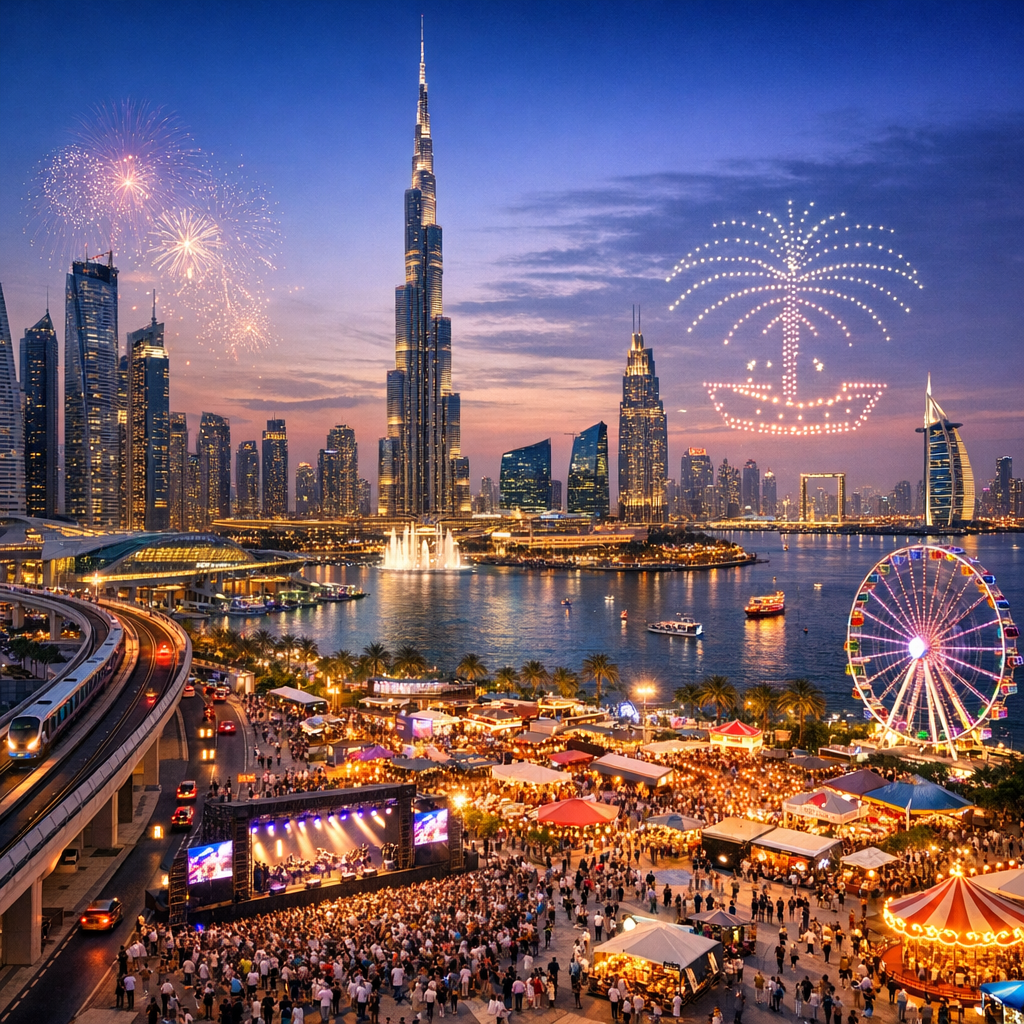
Dubai has long been recognized as a beacon of stability and prosperity in the Middle East, attracting businesses, tourists, and expatriates from around the world. However, recent geopolitical developments have tested this reputation, prompting the emirate to implement strategic measures to maintain its position as a global hub.
Geopolitical Tensions and Economic Impact
In early 2026, regional conflicts led to disruptions in key sectors of Dubai’s economy. Notably, Iran’s retaliatory strikes affected critical infrastructure, including airports, hotels, and ports. This unprecedented event challenged the city’s long-standing image as a safe haven for international business and tourism.
Despite these challenges, Dubai’s leadership swiftly responded by enhancing security protocols and reinforcing its commitment to providing a stable environment for residents and visitors alike. These efforts aim to restore confidence among investors and tourists, ensuring the city’s continued economic growth.
Strengthening the Events Industry
Recognizing the importance of the events sector to its economy, Dubai has intensified efforts to attract and host major international conferences and exhibitions. In 2024, the Dubai World Trade Centre (DWTC) hosted 100 large-scale events, generating AED22.35 billion ($6.08 billion) in economic value. These events drew over 2 million attendees, with nearly half coming from overseas, underscoring Dubai’s appeal as a global events destination.
Building on this success, DWTC announced plans to host over 135 high-profile events in the latter half of 2025, covering diverse sectors such as technology, sustainability, healthcare, and finance. This proactive approach not only stimulates various industries but also reinforces Dubai’s status as a premier global destination for business tourism.
Infrastructure Developments and Future Outlook
To accommodate the growing demand for event spaces and to alleviate congestion, Dubai has expanded its infrastructure. Major exhibitions like Gulfood and GITEX Global are now being held across multiple venues, including the Dubai Exhibition Centre at Expo City. This strategic distribution aims to improve accessibility and enhance the overall experience for participants.
Furthermore, the opening of The Plaza at Uptown Dubai in February 2026 provides an additional open-air venue for events, reflecting the city’s commitment to diversifying its offerings and supporting the events industry.
In conclusion, while recent geopolitical events have posed challenges, Dubai’s proactive measures and strategic initiatives demonstrate its resilience and determination to maintain its position as a leading global hub. By investing in infrastructure, enhancing security, and fostering the events industry, Dubai continues to navigate global challenges effectively, ensuring sustained economic growth and international appeal.