

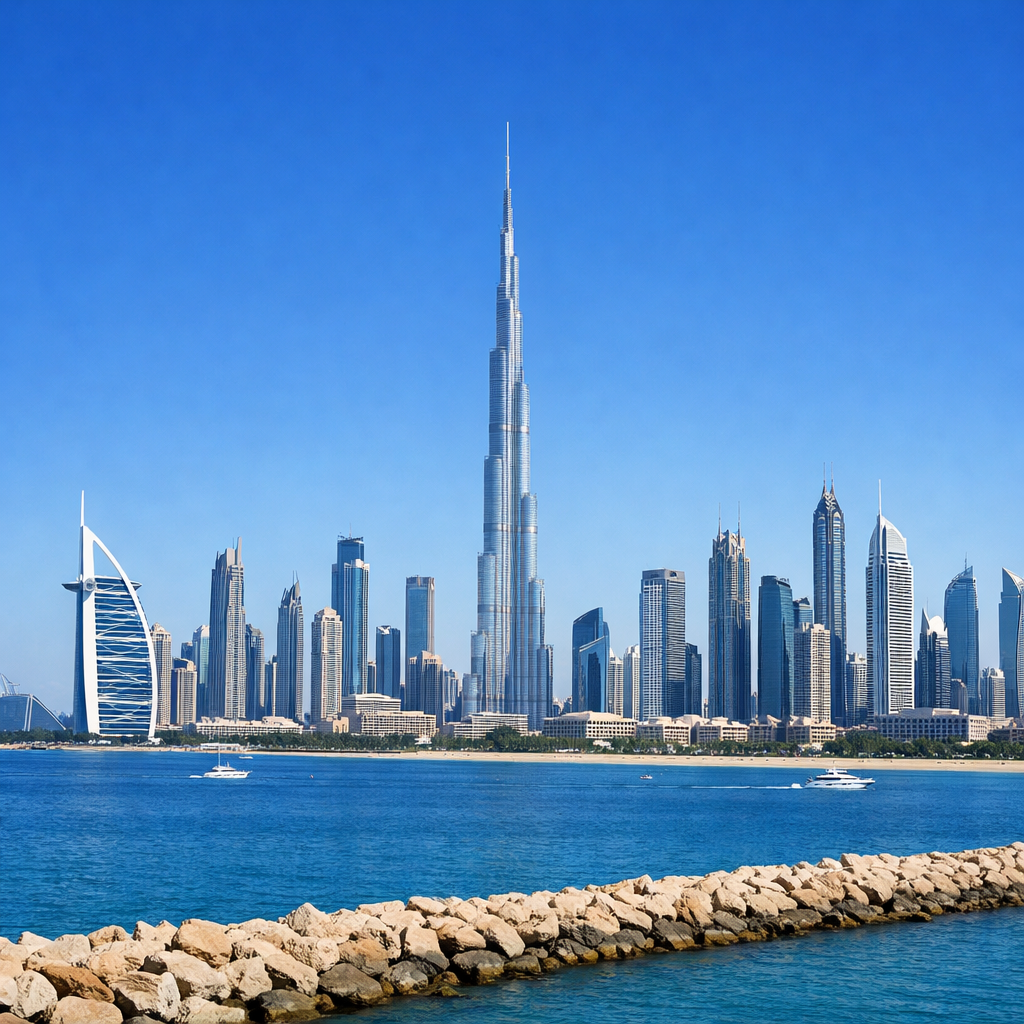
Dubai’s climate is characterized by its hot desert environment, offering residents and visitors two primary seasons: a long, intense summer and a mild, pleasant winter. Understanding these patterns is essential for planning activities and ensuring comfort throughout the year.
Summer: May to September
During the summer months, Dubai experiences extreme heat, with daytime temperatures often exceeding 40°C (104°F). The combination of high temperatures and humidity, especially in coastal areas, can make outdoor activities challenging. It’s advisable to limit exposure during peak heat hours and stay hydrated.
Winter: November to March
Winter in Dubai brings a welcome respite from the heat. Daytime temperatures range between 20°C (68°F) and 26°C (79°F), with cooler evenings. This season is ideal for outdoor activities, as the weather is comfortable and rainfall is minimal.
Transitional Periods: April and October
April and October serve as transitional months, with temperatures gradually increasing or decreasing. These periods can still be warm but are generally more tolerable than the peak summer months.
Environmental Considerations
Dubai occasionally experiences sandstorms, particularly during the summer, due to strong north-westerly winds known as ‘Shamal.’ These storms can reduce visibility and affect air quality. It’s important to stay informed about weather forecasts and take necessary precautions during such events.
By understanding Dubai’s seasonal weather patterns, residents and visitors can better prepare for the climate’s challenges and enjoy all that the city has to offer year-round.