

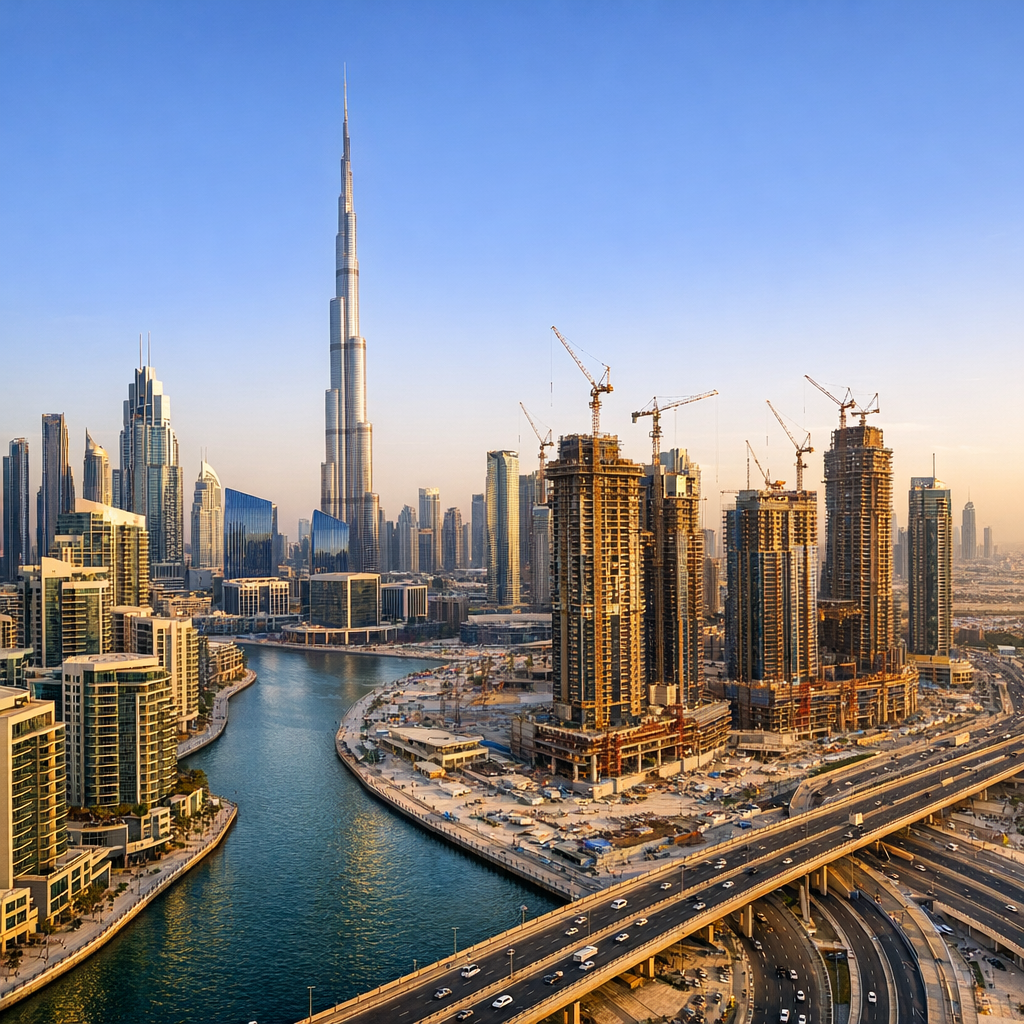
Dubai’s real estate market continues to demonstrate resilience and growth, driven by a combination of strong demand, strategic government initiatives, and a dynamic development landscape. Understanding the current trends is essential for residents and investors navigating this evolving sector.
Market Trends
Recent data indicates a sustained upward trajectory in Dubai’s residential market. In the first half of 2026, the city recorded 79,281 residential sales transactions totaling AED 221.4 billion. While this reflects a slight moderation compared to the record levels of H1 2025, it underscores the market’s enduring strength. Notably, villas and townhouses continue to outperform apartments, driven by a preference for spacious, low-density living environments.
Rental Market Dynamics
The rental sector remains robust, bolstered by population growth and sustained inbound migration. Average rental yields for residential properties in Dubai are estimated at 6.78%, with apartments reaching yields as high as 7.24%. This stability in rental returns highlights the city’s appeal to both tenants and investors seeking consistent income streams.
Development and Supply
Dubai is experiencing a significant supply cycle, with a substantial pipeline of residential units expected in the near term. In Q3 2025 alone, over 7,800 units were delivered, with an additional 14,900 anticipated in Q4, bringing the annual total to 44,000 units—the highest in five years. Looking ahead, completions are projected to rise further in 2026, with over 69,000 units expected. This influx of new stock is likely to gradually temper the market, contributing to the ongoing moderation in both price and rental growth.
Government Initiatives
Government policies continue to play a pivotal role in shaping the real estate landscape. Initiatives such as the UAE Golden Visa and Dubai’s First-Time Home Buyer Programme have been instrumental in encouraging homeownership. The latter has seen over 2,000 residents purchase their first home under the programme, driving more than AED 3.25 billion in residential property sales. These measures not only stimulate demand but also reinforce Dubai’s position as a global leader in wealth migration.
Looking Ahead
As Dubai’s real estate market matures, stakeholders can anticipate a more balanced phase characterized by greater selectivity and fundamentals-led performance. The combination of strategic government initiatives, a robust development pipeline, and sustained demand positions the city as a dynamic and attractive destination for real estate investment.
For those considering entering the market, staying informed about these trends and developments is crucial. Engaging with reputable real estate professionals and conducting thorough due diligence will ensure informed decision-making in this vibrant and evolving sector.