

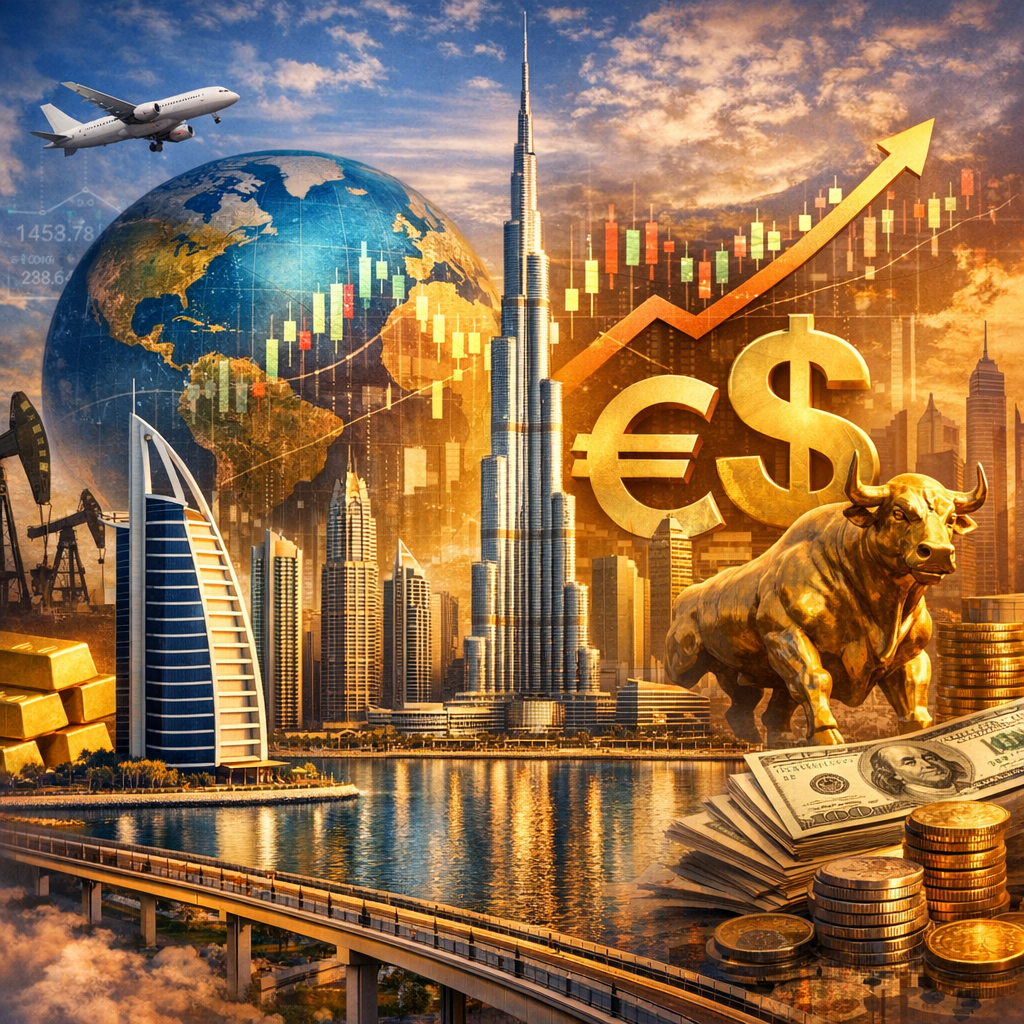
The global economy is currently navigating a complex landscape marked by geopolitical tensions, technological advancements, and fluctuating energy markets. These factors collectively influence economic growth, inflation rates, and investment patterns worldwide.
Global Economic Overview
Recent analyses indicate a moderate global growth trajectory. The International Monetary Fund projects a global growth rate of 3.0% for 2026, with a slight increase to 3.4% in 2027. This outlook reflects the interplay between the adverse effects of geopolitical conflicts and the positive momentum from technological innovations.
Geopolitical tensions, particularly in the Middle East, have introduced volatility in energy markets, leading to inflationary pressures. The Organization for Economic Cooperation and Development notes that the energy supply shock from the evolving conflict in the Middle East is testing the resilience of the global economy. This situation has resulted in upward revisions of inflation forecasts for 2026.
Technological Advancements and Economic Growth
On a positive note, technological advancements, especially in artificial intelligence (AI), are driving investment and economic activity. In the United States, AI-related capital expenditures are anchoring growth, with significant investments in data centers, power generation, and digital infrastructure. This trend underscores the pivotal role of technology in shaping future economic landscapes.
Implications for Dubai
Dubai’s strategic position as a global trade and business hub necessitates a keen understanding of these global economic dynamics. The city’s economy is intricately linked to global trade flows, energy markets, and technological trends.
Given the current global economic environment, Dubai may experience both challenges and opportunities. The volatility in energy prices could impact sectors reliant on energy imports and exports. However, Dubai’s proactive approach to economic diversification, particularly its investments in technology and innovation, positions it well to capitalize on the growth driven by technological advancements.
Furthermore, Dubai’s emphasis on becoming a leading smart city aligns with the global shift towards digitalization and AI integration. By fostering a conducive environment for tech startups and investing in digital infrastructure, Dubai can attract international businesses seeking a stable and forward-thinking base in the region.
Conclusion
In conclusion, while the global economic landscape presents a mix of challenges and opportunities, Dubai’s strategic initiatives and adaptability equip it to navigate these complexities effectively. By staying attuned to global trends and leveraging its strengths, Dubai can continue to thrive as a dynamic and resilient economic hub.