

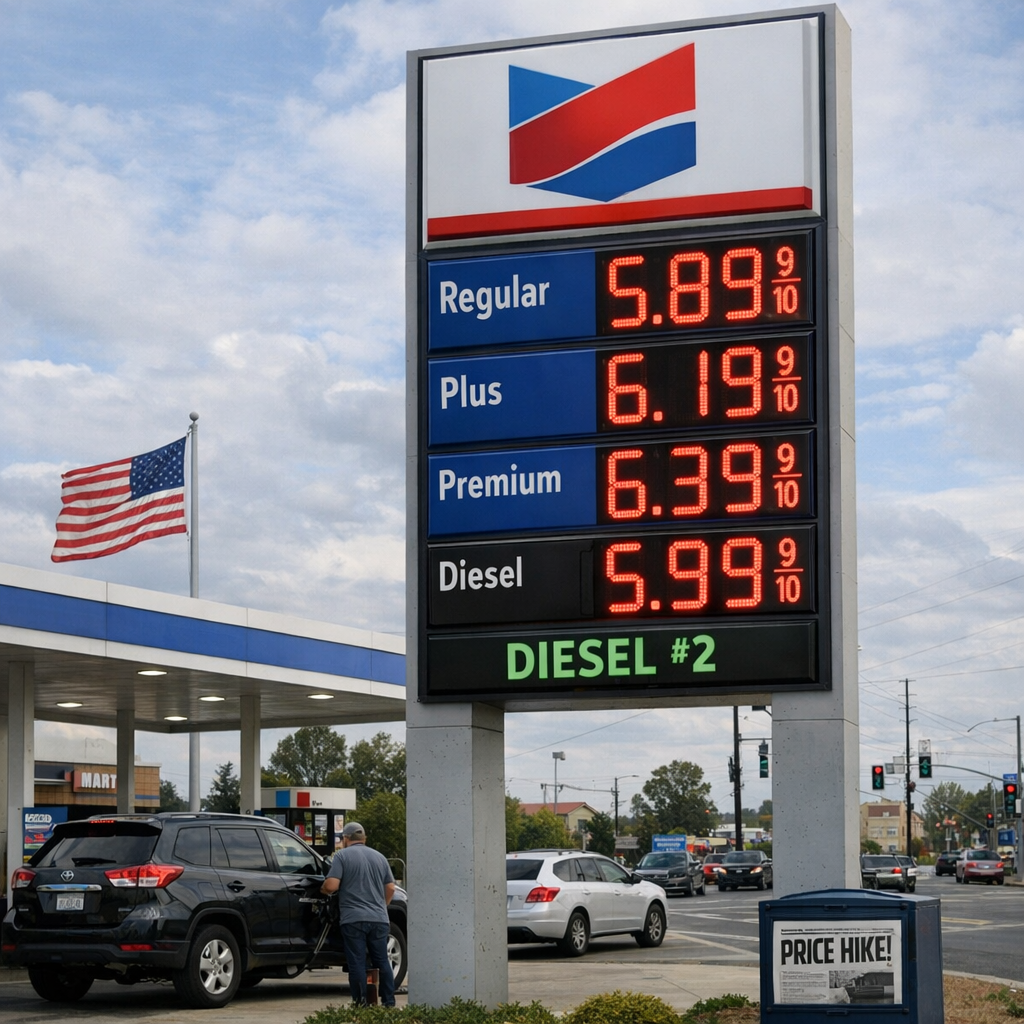
The United States economy is currently experiencing a series of significant shifts, marked by rising mortgage rates, inflationary pressures, and the influence of global geopolitical events.
Rising Mortgage Rates
As of July 2026, the average 30-year U.S. mortgage rate has climbed to 6.58%, the highest level in nearly a year. This increase poses challenges for prospective homeowners and reflects broader trends in the financial markets.
Inflation and Consumer Impact
Inflation remains a pressing concern, with consumer prices rising sharply in recent months. The annual inflation rate reached 4.2% in April 2026, driven in part by escalating energy costs following the conflict in Iran. This surge affects various sectors, including groceries and back-to-school items, placing additional strain on household budgets.
Geopolitical Tensions and Economic Ramifications
Global events continue to influence the U.S. economy. The ongoing conflict in Iran has led to increased oil prices, which recently surpassed $100 a barrel. This escalation contributes to higher gasoline prices domestically, further impacting consumers and businesses alike.
Labor Market Dynamics
Despite these challenges, the labor market shows signs of resilience. Recent data indicates a decrease in unemployment aid filings, reaching the lowest level since 1969. However, the broader economic uncertainties necessitate close monitoring of employment trends in the coming months.
Looking Ahead
As the U.S. navigates these economic currents, policymakers and consumers alike must remain vigilant. The interplay between domestic policies, global events, and market responses will shape the economic landscape in the near future.