

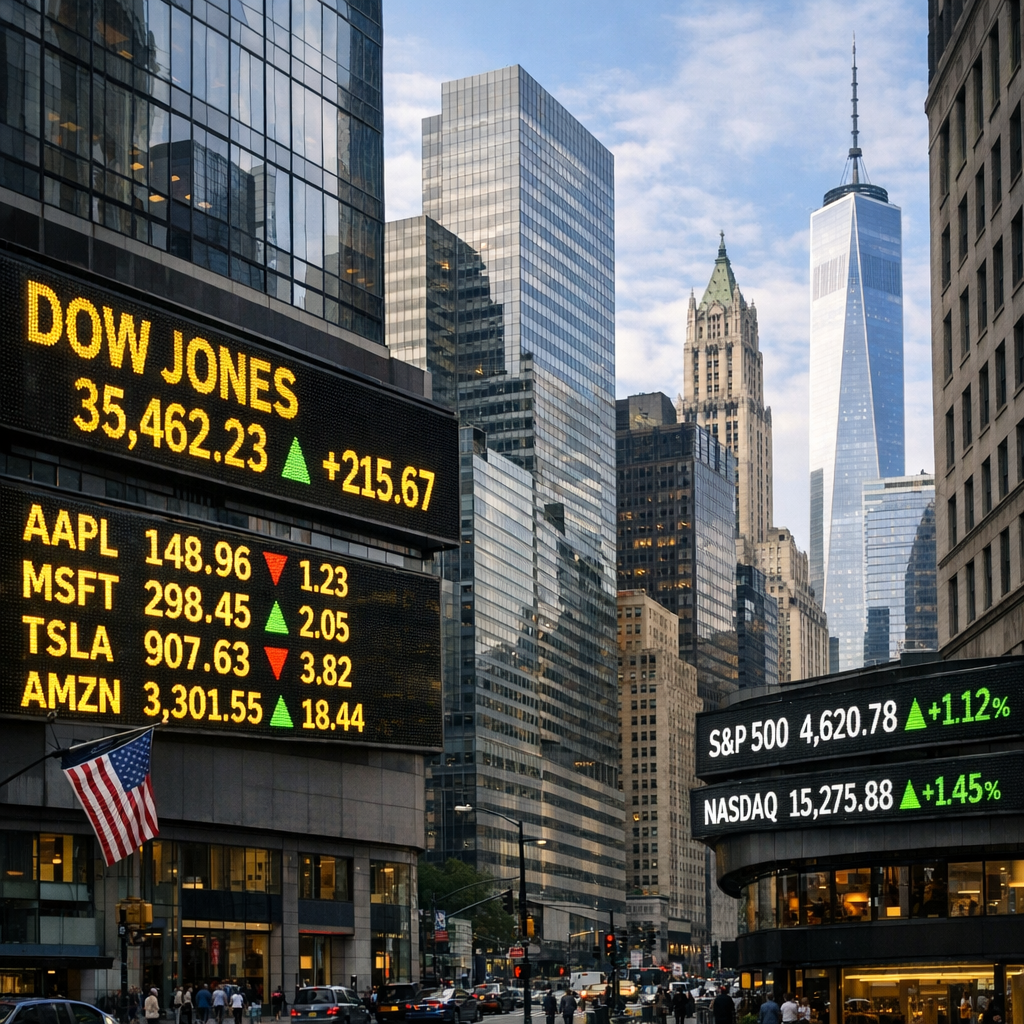
The United States economy is currently experiencing a period of significant change, marked by rising mortgage rates, inflationary pressures, and the influence of global geopolitical events.
Rising Mortgage Rates
As of July 2026, the average 30-year U.S. mortgage rate has climbed to 6.58%, the highest level in nearly a year. This increase poses challenges for prospective homebuyers and may impact the housing market’s overall health.
Inflation Concerns
Inflation has become a pressing issue, with consumer prices rising sharply. In March 2026, U.S. consumer prices increased by 3.3% year-on-year, driven largely by escalating energy costs following the conflict in Iran. This surge in inflation complicates the Federal Reserve’s monetary policy decisions and affects consumers’ purchasing power.
Geopolitical Tensions and Economic Impact
Global events, particularly the ongoing conflict in the Middle East, have had a profound impact on the U.S. economy. The war in Iran has led to a spike in oil prices, which, in turn, has contributed to higher gasoline prices domestically. This situation underscores the interconnectedness of global events and national economic stability.
National Debt Concerns
Financial leaders have expressed concerns about the rising U.S. national debt. BlackRock CEO Larry Fink highlighted that the ballooning debt could threaten long-term economic confidence, emphasizing the need for fiscal discipline to maintain economic stability.
Conclusion
As the U.S. navigates these economic challenges, policymakers and consumers alike must remain vigilant and adaptable. Understanding the factors at play is crucial for making informed decisions in an ever-evolving economic landscape.