

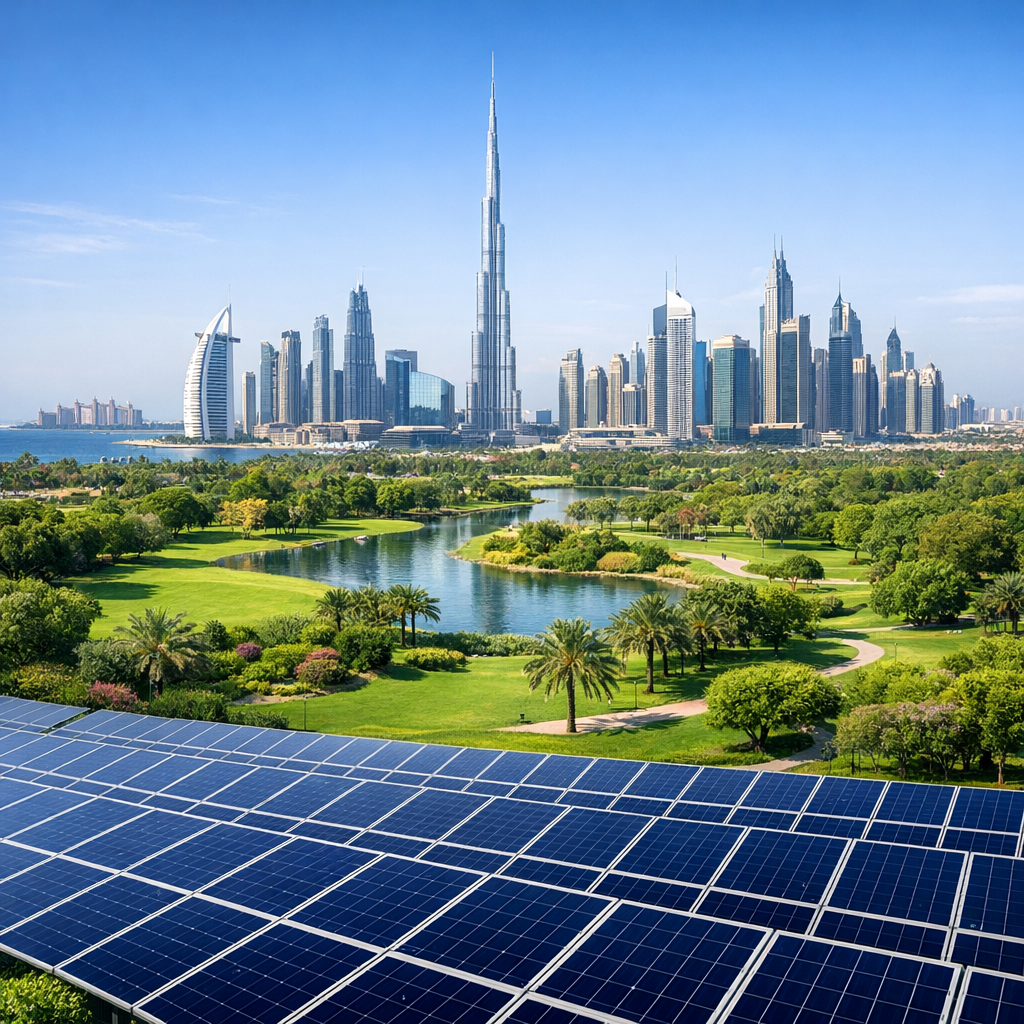
Dubai has long been recognized for its rapid development and architectural marvels. However, alongside its urban growth, the emirate has demonstrated a steadfast commitment to environmental sustainability. This article delves into the various initiatives and strategies that Dubai has implemented to promote a greener future.
Strategic Environmental Authorities
At the forefront of Dubai’s environmental efforts is the Dubai Environment and Climate Change Authority (DECCA). DECCA is dedicated to protecting the environment and ensuring sustainability through the development and implementation of innovative policies that balance economic growth with environmental conservation. Their mission encompasses protecting ecosystems, leading climate action, enhancing food security, and enabling a circular economy. Their core values emphasize science-based decision-making, partnerships, transparency, and resilience. [Source: DECCA – About Us]
Complementing DECCA’s efforts, Dubai Municipality plays a pivotal role in environmental protection and urban sustainability. It enforces environmental regulations, monitors air and water quality, and manages waste disposal and recycling initiatives. Additionally, the Municipality oversees sustainable urban planning and green building regulations, ensuring that Dubai’s development aligns with environmental standards. [Source: Environmental Authorities – dda – AE]
Renewable Energy Initiatives
Dubai has made significant strides in harnessing renewable energy. The Mohammed bin Rashid Al Maktoum Solar Park stands as a testament to this commitment. As the largest single-site solar park globally, it aims to achieve a production capacity of over 5,000MW by 2030. This ambitious project is set to reduce more than 6.5 million tonnes of carbon emissions annually, marking a substantial contribution to the emirate’s clean energy goals. [Source: Dubai Electricity and Water Authority (DEWA): Environmental protection is a trust we uphold to fulfill our commitments.]
In addition to solar energy, Dubai is pioneering the development of green hydrogen technologies. The emirate is spearheading projects that utilize clean and renewable energy for green hydrogen production, with projections indicating a 57% annual increase, reaching 5.7 million tonnes by 2030. [Source: Dubai Renewable & Clean Energy Strategy 2050 | Invest in Dubai]
Urban Greening and Biodiversity Conservation
Recognizing the importance of green spaces in urban environments, Dubai Municipality has undertaken extensive tree-planting initiatives. In 2024 alone, 216,500 new trees were planted, marking a 17% increase from the previous year. This effort expanded the emirate’s green spaces by 391.5 hectares, enhancing the urban landscape, improving air quality, and contributing to climate resilience. [Source: Sustainable Archives | Dubai Municipality]
Furthermore, the Dubai Electricity and Water Authority (DEWA) has been actively involved in mangrove planting and beach clean-up initiatives. In collaboration with the Dubai Environment and Climate Change Authority, DEWA planted 700 mangrove trees at the Jebel Ali Marine Sanctuary in 2026. This initiative, supported by 254 volunteers, underscores the emirate’s dedication to marine biodiversity and environmental sustainability. [Source: DEWA strengthens environmental sustainability through mangrove planting and beach clean-up initiatives]
Waste Management and Circular Economy
Dubai is also making strides in waste management and promoting a circular economy. Dubai Holding, a key player in the emirate’s development, has implemented targeted energy efficiency measures across its entertainment portfolio to reduce consumption and operational emissions. Additionally, the group has partnered with The Waste Lab to introduce composting across select locations, diverting significant amounts of organic waste from landfills. [Source: Planet and Environmental Responsibility | Dubai Holding]
Conclusion
Dubai’s multifaceted approach to environmental sustainability reflects a deep-seated commitment to balancing rapid urban development with ecological responsibility. Through strategic planning, innovative projects, and community engagement, the emirate is paving the way for a sustainable future, setting an example for cities worldwide.