

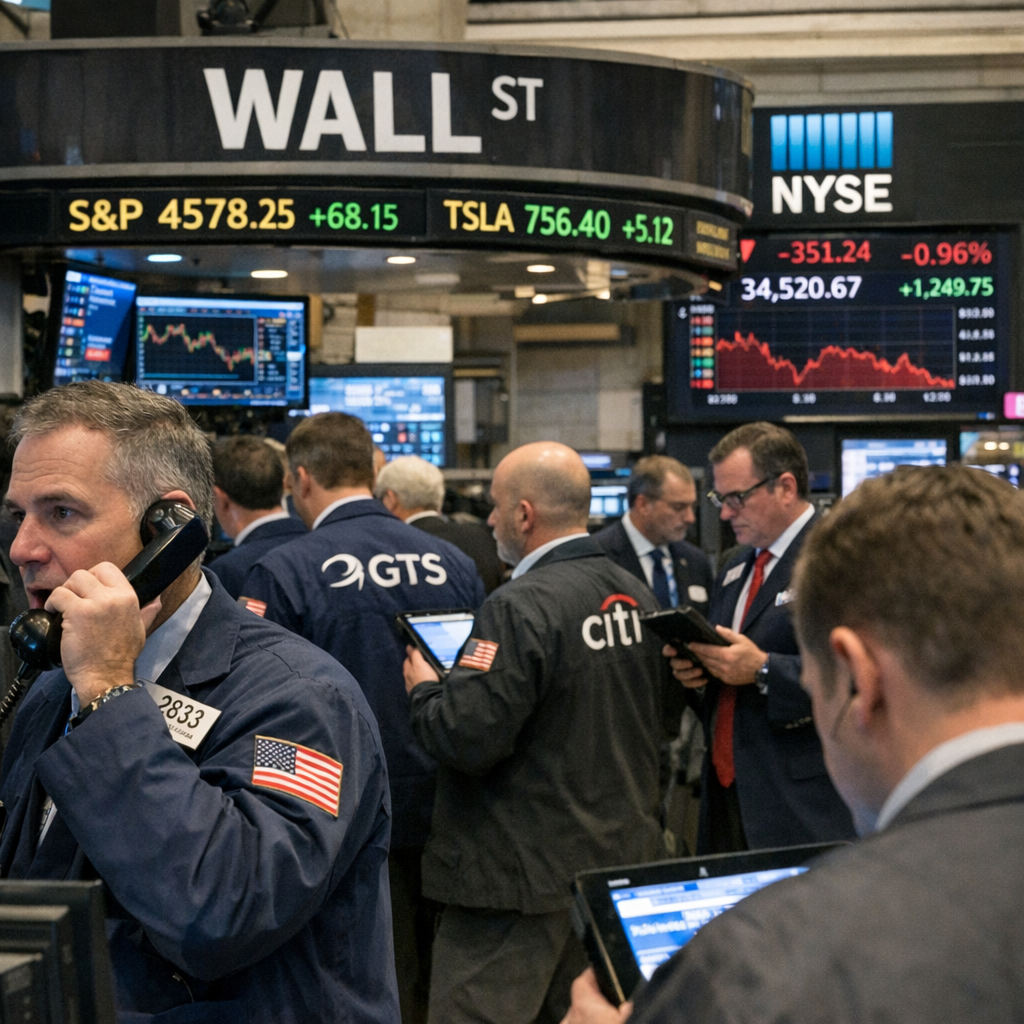
The United States economy is currently experiencing a period of significant transformation, influenced by various domestic and international factors. Understanding these changes is crucial for both policymakers and global observers.
Economic Growth and Inflation
Recent assessments indicate a cautious outlook for U.S. economic growth. The International Monetary Fund (IMF) projects a growth rate of 2.4% for the fourth quarter of 2026, a slight increase from the previous year’s 2.2%. This modest uptick suggests a resilient economy, albeit one facing headwinds from global uncertainties and domestic policy shifts.
Inflation remains a pressing concern. The IMF anticipates inflation to reach 4.4% in 2026 before declining in subsequent years. This rise is attributed to factors such as increased energy prices and supply chain disruptions. The Federal Reserve has maintained its benchmark interest rate, citing inflationary pressures and the need for economic stability.
Fiscal Challenges and National Debt
The escalating national debt poses significant challenges. As of January 2026, the U.S. debt stood at $38.4 trillion, with interest expenses surging by 15% to $355 billion in the first quarter of the fiscal year. BlackRock CEO Larry Fink has expressed concerns that this trajectory could undermine long-term economic confidence and stability.
Labor Market Dynamics
The labor market presents a mixed picture. While the unemployment rate remains relatively low at 4.2%, recent data reveals a slowdown in job creation. The economy added only 73,000 jobs in July, with downward revisions for previous months. This trend suggests potential challenges in sustaining employment growth amid economic uncertainties.
Trade Policies and Global Relations
Trade policies continue to influence economic dynamics. The Trump administration’s implementation of new tariffs has elicited varied responses. While intended to bolster domestic industries, these measures have also led to increased costs for consumers and businesses, contributing to inflationary pressures.
Conclusion
The U.S. economy is navigating a complex landscape marked by moderate growth, rising inflation, fiscal challenges, and evolving trade policies. Continuous monitoring and adaptive strategies are essential to address these multifaceted issues and ensure sustained economic health.