

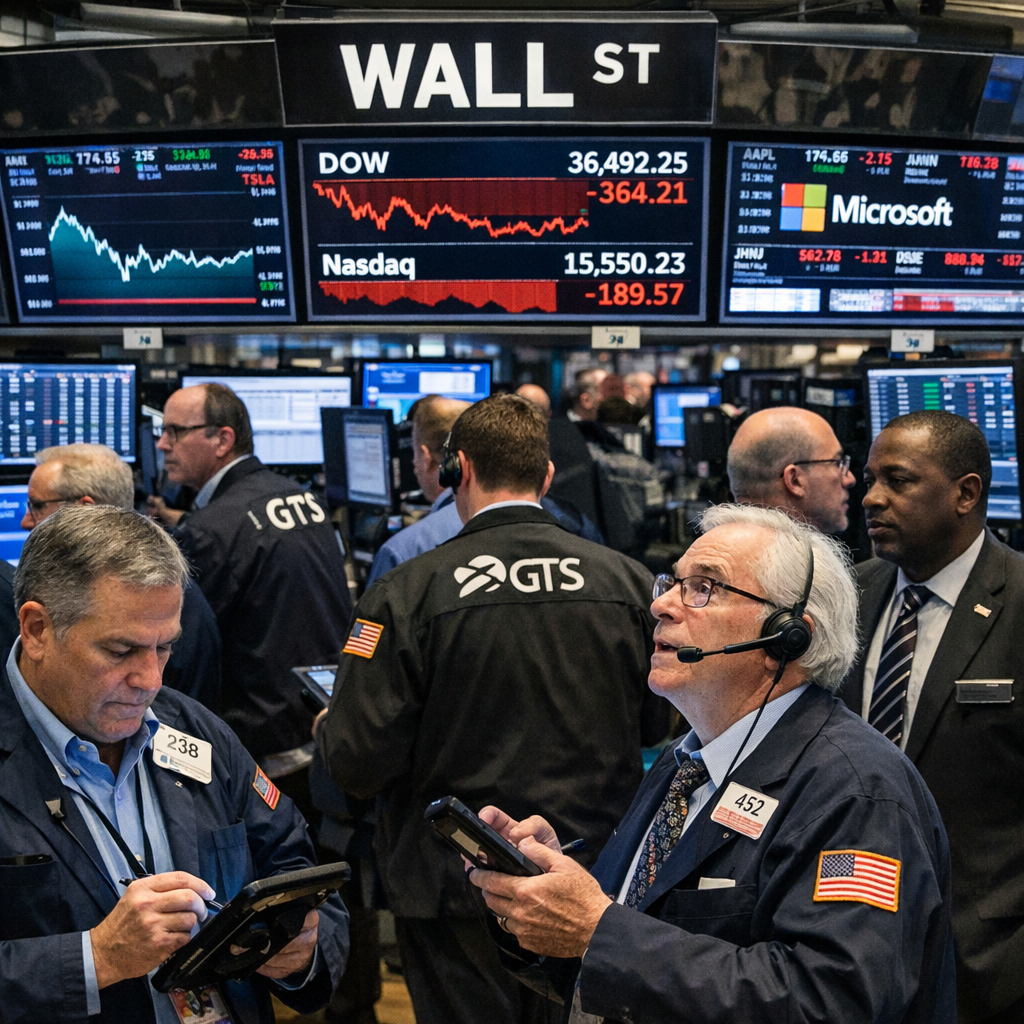
The United States economy is currently experiencing a complex interplay of growth, inflation, and fiscal challenges. Recent assessments provide a nuanced picture of the nation’s economic health.
Economic Growth and Inflation
The International Monetary Fund (IMF) projects that the U.S. gross domestic product (GDP) will grow by 2.4% in the fourth quarter of 2026, an increase from 2.2% the previous year. This growth is accompanied by a decline in unemployment, expected to drop from 4.5% in late 2025 to 4.1% in 2026. Inflation is anticipated to align with the Federal Reserve’s 2% target by 2027.
Fiscal Concerns
Despite positive growth indicators, the IMF warns of potential risks stemming from rising federal budget debts, which could pose stability challenges. BlackRock CEO Larry Fink has also highlighted concerns about the escalating U.S. national debt, emphasizing that increasing debt levels may lead to higher interest costs and could undermine long-term economic confidence.
Labor Market Dynamics
Recent data indicates a slowdown in job creation, with the economy adding only 73,000 jobs in July, significantly below expectations. This trend suggests potential vulnerabilities in the labor market, despite a steady unemployment rate of 4.2%.
Trade Policies and Tariffs
The U.S. administration has implemented new tariffs on various countries, aiming to bolster domestic industries. While these measures have increased government revenue, they have also raised concerns about potential inflationary effects and the broader impact on international trade relations.
Conclusion
The U.S. economy is navigating a period of growth tempered by fiscal and labor market challenges. Policymakers and stakeholders are closely monitoring these developments to ensure sustained economic stability.