

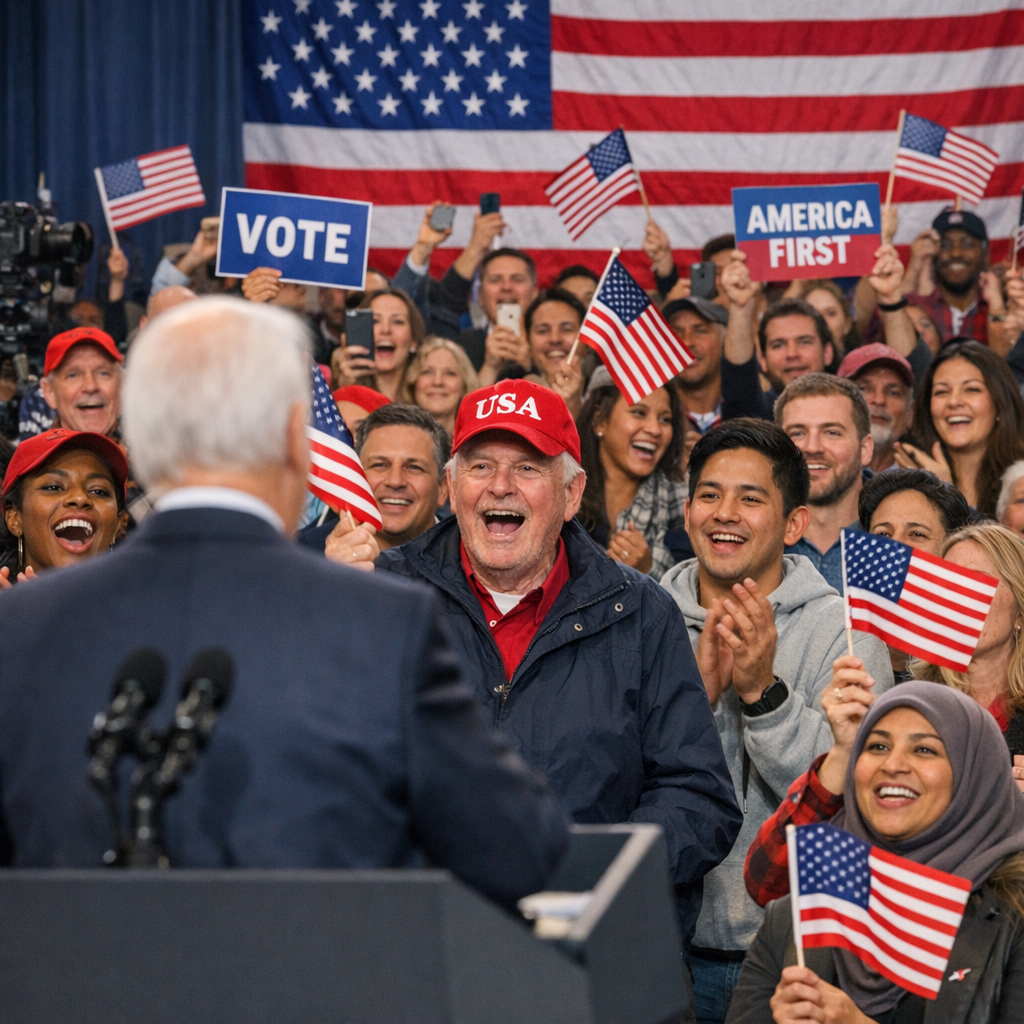
The United States is currently experiencing significant shifts in both its political and economic spheres, with developments that have far-reaching implications domestically and internationally.
Political Developments
As the 2026 midterm elections approach, the political climate is marked by heightened activity and strategic maneuvering. Redistricting efforts are underway across various states, with proposals that could alter the balance of power in Congress. For instance, Florida’s Governor Ron DeSantis has introduced new congressional maps that may reduce Democratic representation, while Virginia’s recent remap poses challenges for Republican incumbents. These changes underscore the dynamic nature of U.S. electoral politics and the ongoing debates over representation and fairness.
In the realm of foreign policy, the U.S. continues to engage in complex negotiations and strategic decisions. The situation in Iran remains a focal point, with the U.S. reviewing offers and considering actions that could influence regional stability. Additionally, the administration’s approach to international relations, including trade policies and military engagements, reflects a departure from traditional post-war foreign policy consensus, reshaping alliances and trade relationships built over decades.
Economic Landscape
Economically, the U.S. is navigating a period of uncertainty and adjustment. Recent data indicates a mixed picture: while there have been job losses and rising gasoline prices, some sectors show resilience. The Federal Reserve has maintained interest rates but signals potential hikes, reflecting concerns over inflation and economic growth. Notably, U.S. inflation reached 4.2%, influenced by factors such as the ongoing situation in Iran, which has led to energy price shocks.
Consumer confidence has been affected, with many Americans expressing concerns about the cost of living and economic stability. Retail sales have seen modest increases; however, when adjusted for inflation, spending has effectively decreased. This trend highlights the challenges faced by middle-income Americans striving to maintain their standard of living amid rising costs.
Implications and Outlook
The interplay between political decisions and economic outcomes is evident. Policies such as tariffs and trade agreements have direct impacts on markets and consumer prices. As the U.S. approaches the midterm elections, the outcomes will likely influence future policy directions, affecting both domestic and international stakeholders.
For observers in Dubai and the broader Middle East, these developments are particularly pertinent. The U.S.’s foreign policy decisions, especially concerning the Middle East, have direct implications for regional stability and economic relations. Additionally, shifts in the U.S. economy can influence global markets, affecting trade and investment opportunities.
In conclusion, the current U.S. political and economic landscape is characterized by significant changes and uncertainties. Staying informed about these developments is crucial for understanding their potential impacts both within the United States and globally.