

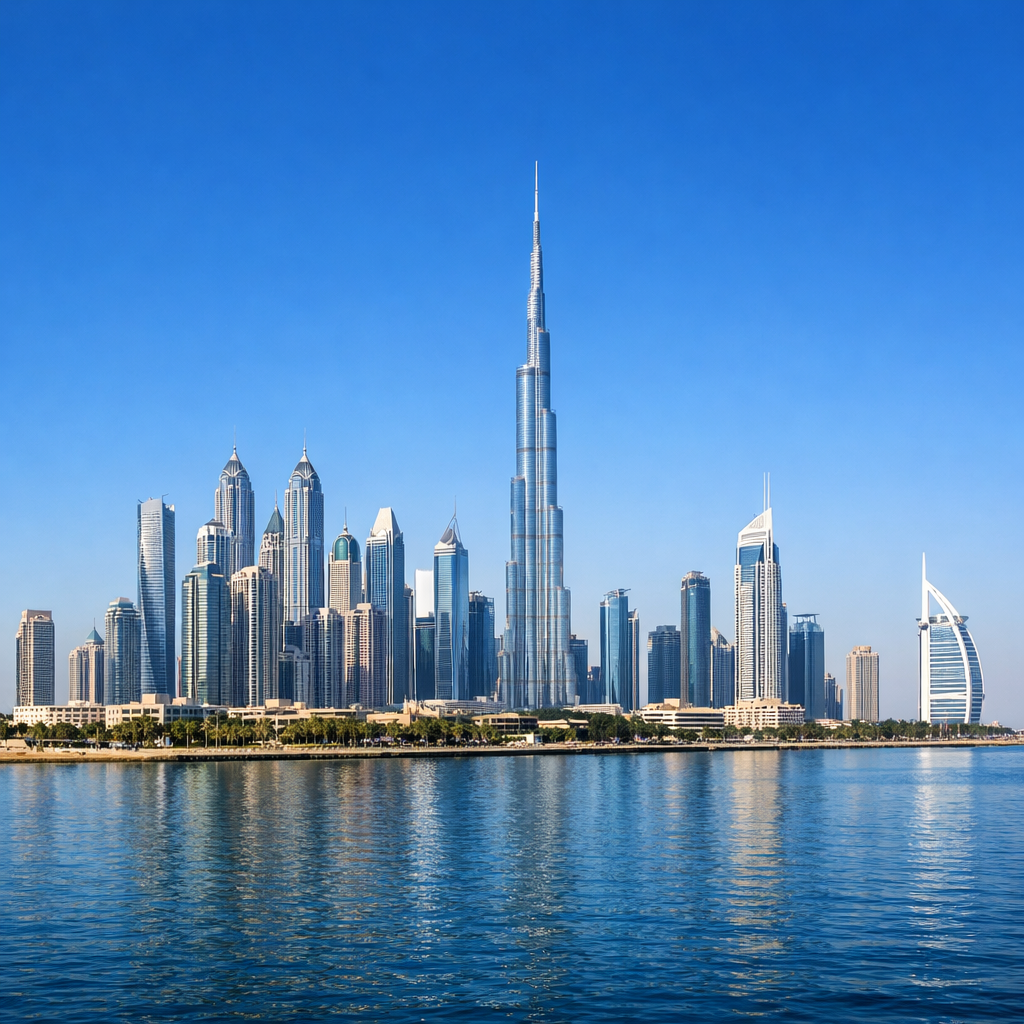
Dubai’s climate is characterized by two primary seasons: a long, hot summer and a mild, pleasant winter. Understanding these patterns can help residents and visitors make the most of what the city has to offer throughout the year.
Summer: May to September
During the summer months, Dubai experiences intense heat, with daytime temperatures often ranging between 38°C and 48°C (100°F to 118°F). Humidity levels are also high, making outdoor activities challenging. It’s advisable to stay indoors during peak heat hours and ensure adequate hydration.
Winter: November to March
Winter in Dubai brings a welcome respite from the heat. Daytime temperatures typically range from 20°C to 32°C (68°F to 90°F), with cooler evenings. This season is ideal for outdoor activities, beach visits, and exploring the city. Rainfall is minimal but more likely during these months, often occurring as brief showers.
Transitional Months: April and October
April and October serve as transitional periods between the extreme seasons. Temperatures during these months gradually shift, with April warming up towards summer and October cooling down towards winter. These months offer a balance, making them suitable for various activities.
Environmental Considerations
Dubai’s rapid urbanization and climatic conditions pose environmental challenges, notably water scarcity. The city relies heavily on desalination to meet its water needs, a process that is energy-intensive and has environmental implications. Sustainable water use and conservation efforts are crucial to address this issue.
Understanding Dubai’s climate is essential for planning daily activities and long-term living arrangements. By adapting to the seasonal changes and being mindful of environmental factors, residents and visitors can enjoy all that Dubai has to offer year-round.