

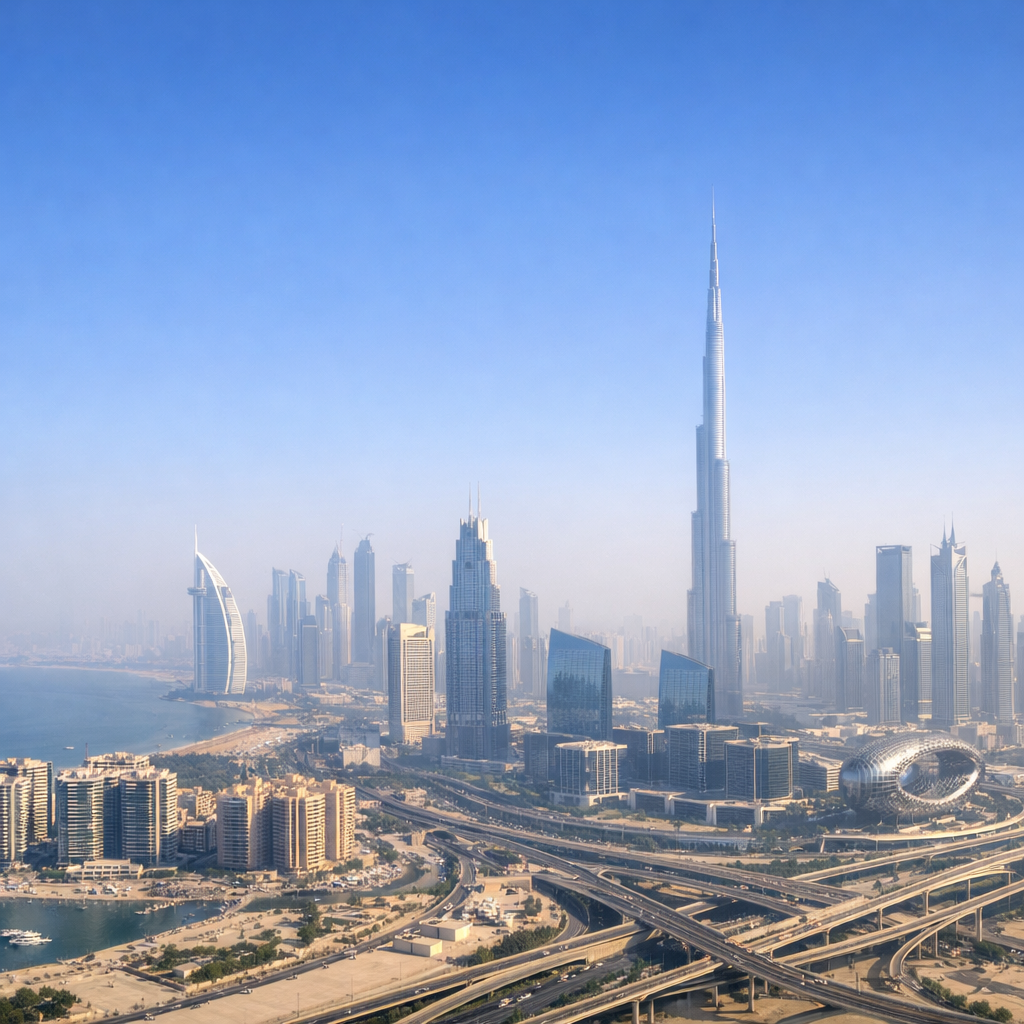
Dubai’s climate is characterized by its hot desert environment, with distinct seasonal variations that influence daily life and the environment. Understanding these patterns is essential for residents and visitors alike.
Seasonal Weather Patterns
Summer (June to September)
During the summer months, Dubai experiences intense heat, with average daytime temperatures ranging from 40°C to 45°C. Coastal areas often face high humidity levels, sometimes reaching up to 90%, making the heat feel even more oppressive. Inland regions, while slightly less humid, can experience temperatures soaring above 45°C. These conditions are a result of Dubai’s geographical location in the subtropical desert belt and the influence of the Indian Monsoon Low extending westward.
Winter (December to February)
In contrast, winter brings milder and more comfortable weather. Daytime temperatures typically range between 20°C and 26°C, with cooler evenings. This period also sees the majority of Dubai’s minimal annual rainfall, averaging around 100 mm, primarily occurring between December and March. These brief showers can sometimes lead to flash flooding due to the city’s infrastructure being less equipped for sudden downpours.
Environmental Challenges
Sandstorms
Dubai is occasionally affected by sandstorms, locally known as ‘shamal’ winds. These storms are most common between June and September and can significantly reduce visibility, disrupt daily activities, and pose health risks due to airborne dust particles. The shamal winds originate from the northwest and carry large amounts of sand and dust from surrounding deserts into the city.
Air Quality
Air quality in Dubai can be influenced by various factors, including vehicle emissions, industrial activities, and construction dust. The combination of these elements, along with natural phenomena like sandstorms, can lead to elevated levels of particulate matter in the air, affecting respiratory health. Efforts are ongoing to monitor and improve air quality through various environmental initiatives.
Adapting to the Climate
Residents and visitors are advised to take precautions during extreme weather conditions. During the summer, it’s essential to stay hydrated, limit outdoor activities during peak heat hours, and seek air-conditioned environments. Protective measures, such as wearing masks and staying indoors, are recommended during sandstorms to minimize exposure to dust particles.
Understanding Dubai’s climate and environmental challenges is crucial for ensuring safety and well-being. By staying informed and prepared, individuals can better navigate the unique weather patterns of this dynamic city.