

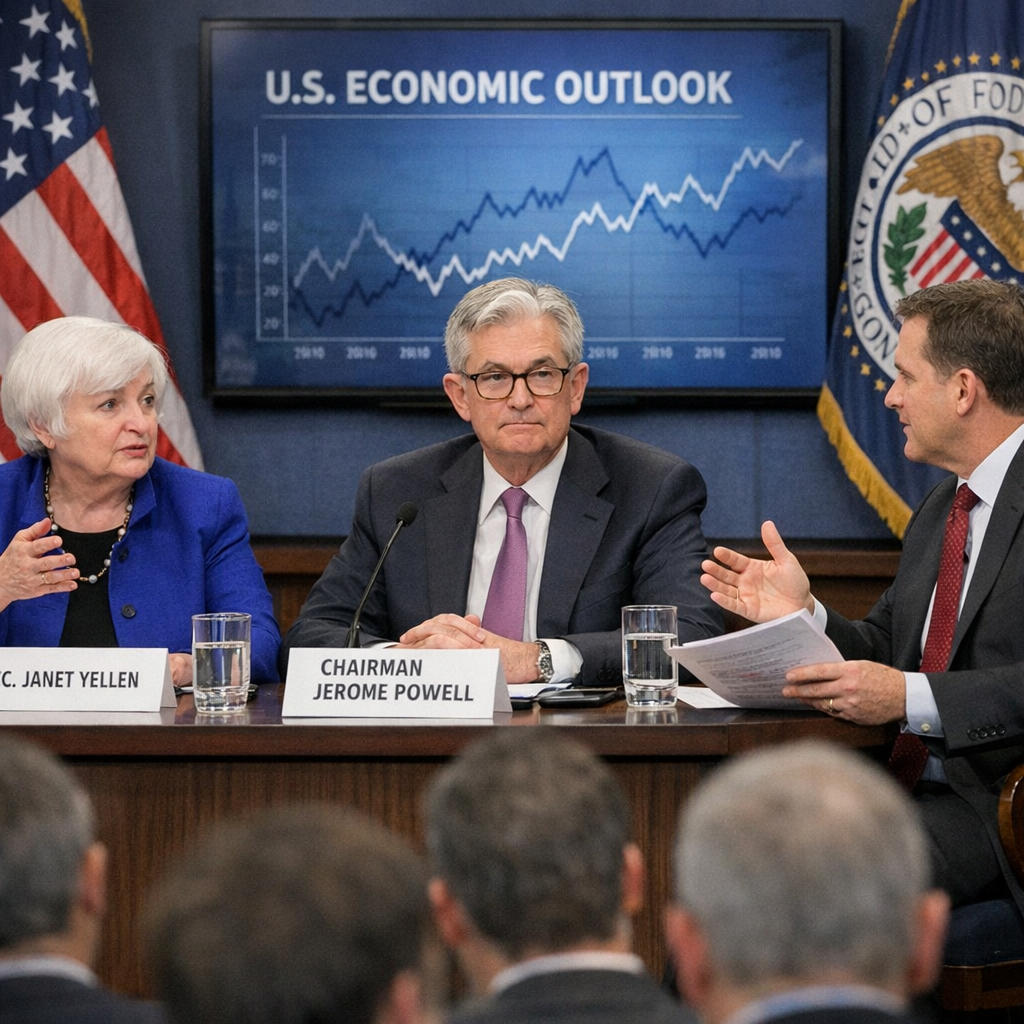
The United States continues to experience significant shifts in its political and economic landscapes, with recent developments influencing both domestic and international affairs.
Political Developments
As the 2026 midterm elections approach, the political climate remains dynamic. Redistricting efforts across various states have led to contentious debates, with implications for the balance of power in Congress. In Florida, proposed congressional maps could potentially alter the political representation, while in Virginia, new remapping threatens several incumbents. These changes underscore the ongoing struggle between parties to secure favorable positions ahead of the elections.
Additionally, the political discourse has been intensified by recent events, including an alleged assassination attempt on President Trump during the White House Correspondents’ Dinner in April 2026. This incident has heightened tensions and sparked discussions on political rhetoric and security measures.
Economic Landscape
The U.S. economy presents a complex picture. While certain sectors show resilience, challenges persist. The International Monetary Fund (IMF) projects a growth rate of 2.4% for the U.S. economy in the fourth quarter of 2026, an increase from the previous year’s 2.2%. Unemployment is expected to decline to 4.1% in 2026, down from 4.5% in late 2025. However, the IMF also warns of risks associated with rising federal debt and potential impacts from tariffs.
Inflation remains a concern, with consumer prices rising sharply in March 2026, reaching a year-on-year increase of 3.3%. This surge is attributed to escalating energy costs following the conflict in Iran. The Federal Reserve has maintained interest rates but signals the possibility of future hikes to manage inflationary pressures.
Implications for the UAE
For the United Arab Emirates, these developments in the U.S. hold particular significance. The UAE’s economic ties with the U.S. mean that shifts in American trade policies, such as the imposition of tariffs, could influence bilateral trade dynamics. Additionally, fluctuations in the U.S. economy and energy markets may have ripple effects on global oil prices, directly impacting the UAE’s economy.
Politically, the evolving U.S. stance on international relations, especially concerning the Middle East, necessitates close monitoring. The UAE’s strategic interests are intertwined with U.S. foreign policy decisions, making it imperative to stay informed about the changing political landscape.
In conclusion, the United States is navigating a period of significant political and economic transformation. These changes have far-reaching implications, not only domestically but also for international partners like the UAE. Staying abreast of these developments is crucial for understanding and adapting to the evolving global environment.