

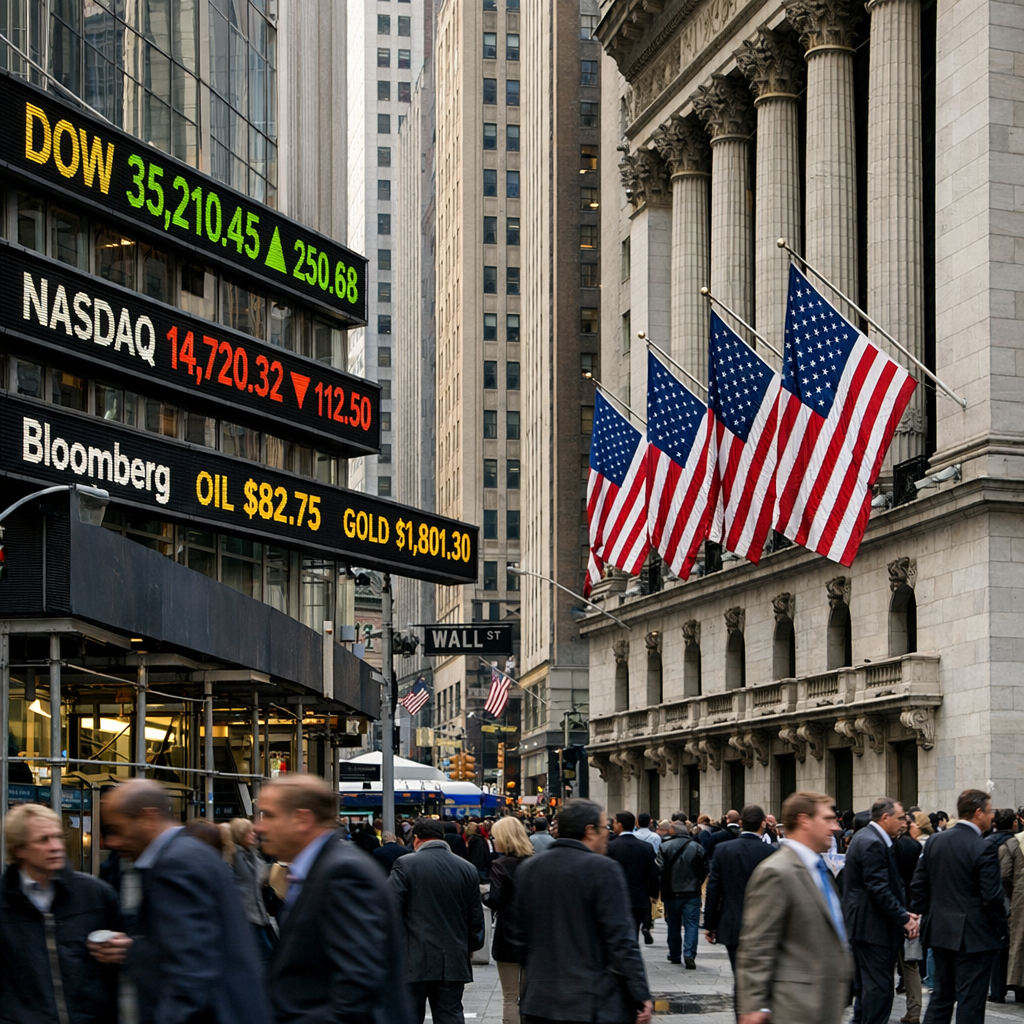
The United States continues to experience significant economic and political shifts, with recent developments influencing both domestic and international landscapes.
Economic Performance and Projections
In 2025, the U.S. economy demonstrated resilience, achieving a 2% growth rate despite policy changes and a government shutdown in the fourth quarter. This growth was underpinned by strong productivity gains. Inflation remained stable, as tariff-induced increases in goods prices were offset by declining services inflation. The fiscal deficit narrowed slightly, though both debt and the current account deficit remained elevated. Looking ahead, growth is projected to rise to 2.4% in 2026, with core PCE inflation expected to return to 2% during the first half of 2027. Employment growth is slowing, but unemployment is anticipated to stay near 4%.
Political Developments and Their Economic Implications
As the 2026 midterm elections approach, affordability has emerged as a central campaign issue. In response, the administration is implementing measures aimed at reducing mortgage rates, preserving housing for families, lowering prescription drug costs, and capping credit card interest rates to alleviate consumers’ financial burdens. While these initiatives could reduce costs for consumers, they may also pose challenges for certain financial institutions and pharmaceutical companies.
Geopolitical tensions, particularly in regions like Iran, have led to increased U.S. economic and military involvement. Such actions have contributed to rising oil prices, impacting global energy markets and potentially affecting consumer spending and inflation rates. Additionally, the U.S. is pursuing policies to reduce reliance on China for rare earths, emphasizing national defense and technological autonomy.
Trade Policies and Their Impact
Trade policy uncertainty persists, with the administration exploring alternative avenues to impose tariffs following a Supreme Court decision blocking the use of the International Emergency Economic Powers Act for such measures. The renegotiation of the United States-Mexico-Canada Agreement (USMCA) is also on the horizon, potentially leading to tighter trade restrictions on China and closer North American alignment in an increasingly deglobalizing world.
Federal Reserve and Monetary Policy
The Federal Reserve faces challenges, including political pressure advocating for lower interest rates and questions regarding its independence. This dynamic could lead to changes in short-term rates and potential restructuring of the Fed’s leadership. Additionally, rising energy prices pose upside inflation risks, complicating the Fed’s mandate to balance inflation and economic activity.
Conclusion
The U.S. is navigating a complex economic and political environment, with policy decisions and global events shaping its trajectory. Stakeholders, both domestic and international, should remain vigilant to these developments, as they hold significant implications for economic stability and growth.