

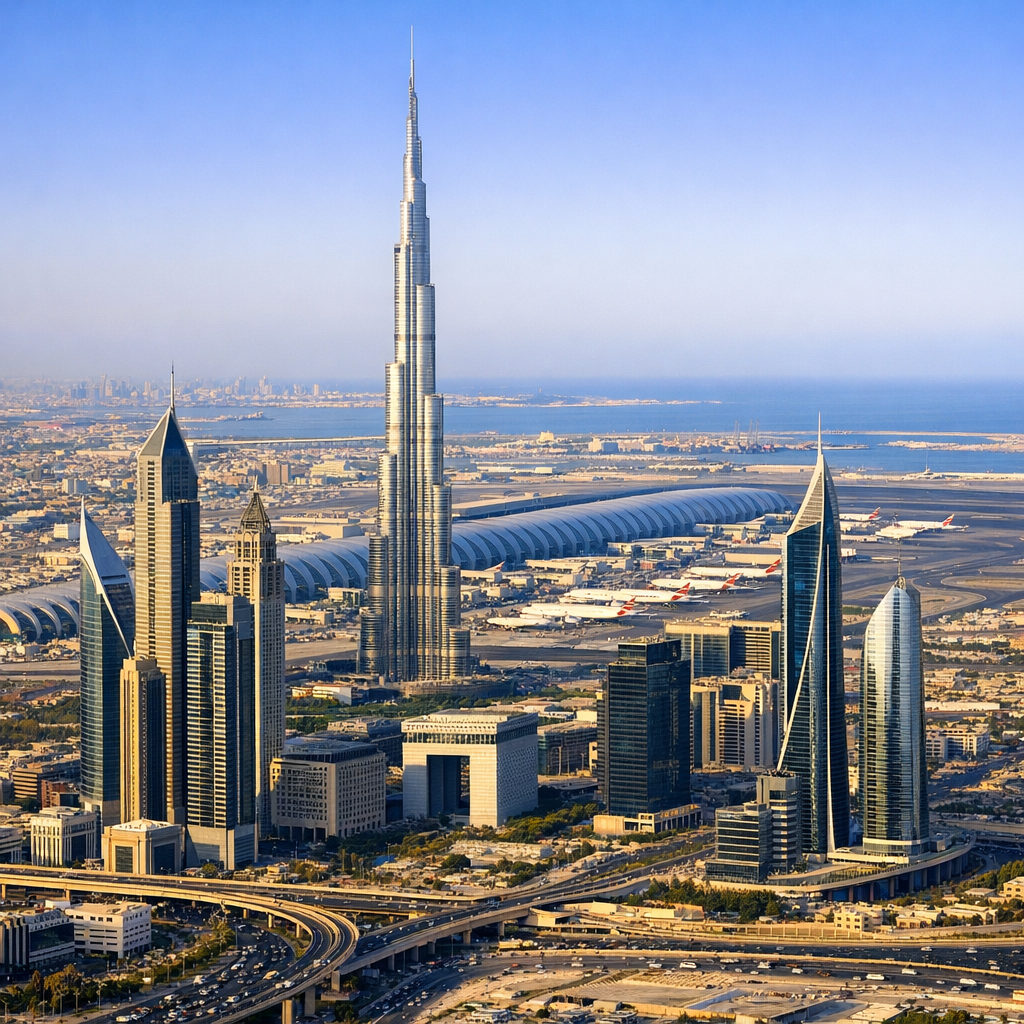
Dubai, renowned for its economic resilience and strategic position as a global hub, is currently navigating a series of international events that are reshaping its economic landscape. The city’s financial sector, tourism industry, and aviation operations are experiencing notable shifts due to these developments.
Financial Sector Faces Uncertainty Amid Regional Tensions
Dubai’s financial sector, a cornerstone of its economy, is confronting challenges stemming from escalating regional tensions. The city’s reputation as a safe haven for the global elite is being tested, with some wealthy residents reconsidering their presence due to security concerns. This shift underscores the delicate balance Dubai maintains between its economic ambitions and regional stability.
Tourism Industry Grapples with Disruptions
The tourism sector, a significant contributor to Dubai’s GDP, is also feeling the impact of global uncertainties. Recent conflicts have led to a surge in flight cancellations and a decline in tourist arrivals. The Middle East, which welcomed 100 million tourists in 2025, is now facing potential losses of up to 38 million tourists and $56 billion in visitor spending in 2026. Dubai, as a major tourism hub, is particularly vulnerable to these downturns.
Aviation Operations Affected by Regional Conflicts
Dubai International Airport, one of the world’s busiest, has not been immune to the ripple effects of regional conflicts. Recent drone attacks have targeted the airport, leading to temporary suspensions of operations and raising concerns about the safety of air travel in the region. These incidents highlight the broader implications of geopolitical tensions on global aviation networks.
Looking Ahead: Navigating Uncertain Waters
As Dubai continues to position itself as a global economic powerhouse, it must adeptly navigate the challenges posed by these global events. Strengthening security measures, diversifying economic sectors, and fostering international collaborations will be crucial in maintaining its economic resilience. The city’s ability to adapt and respond to these challenges will determine its trajectory in the evolving global landscape.