

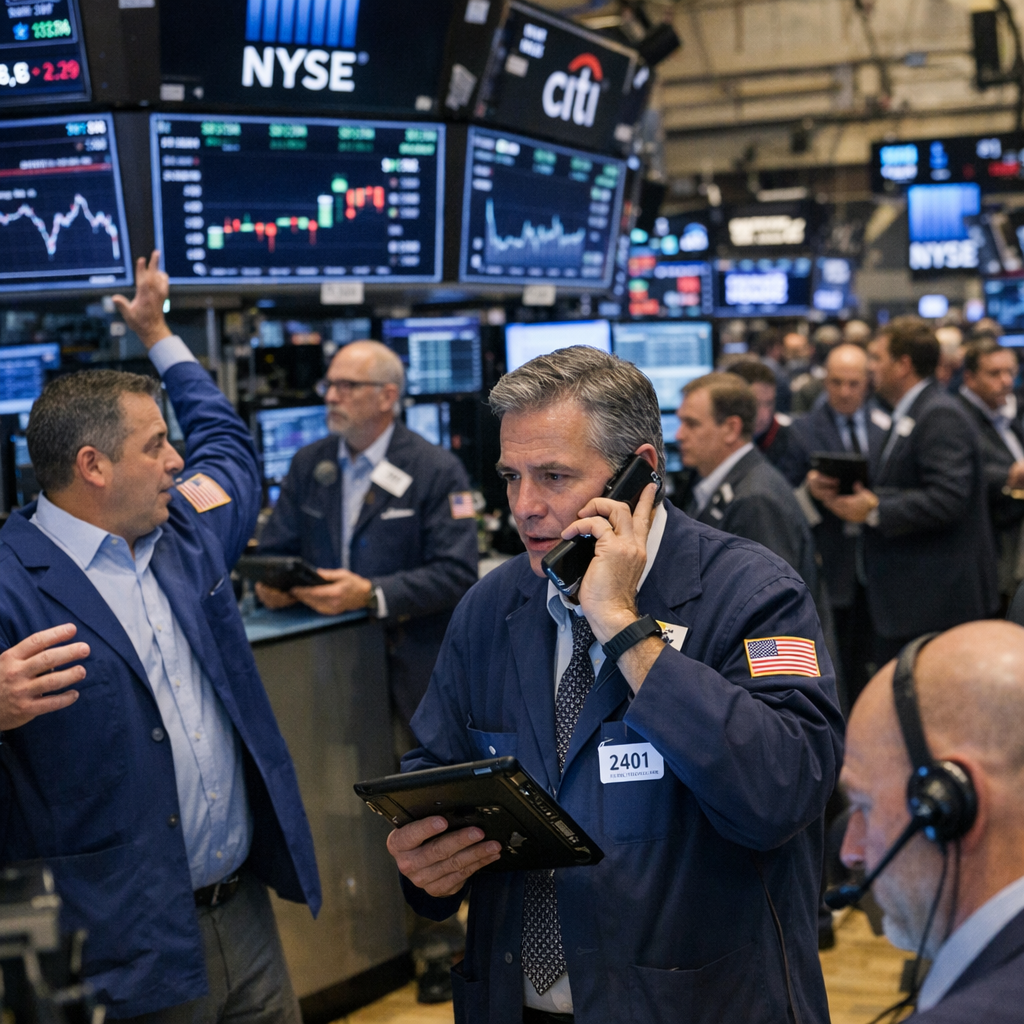
The United States economy continues to experience significant fluctuations, influenced by various domestic and international factors. Recent data indicates a complex landscape that warrants a closer examination.
Employment Trends
In May, the U.S. job market saw a notable surge in hiring, despite ongoing economic strains from international conflicts. This unexpected growth suggests resilience in certain sectors, although the long-term sustainability remains uncertain.
Inflation and Consumer Prices
Inflation rates have shown signs of slowing, with energy markets stabilizing temporarily. However, consumers continue to face challenges, as prices for essential goods, including school supplies and lunch staples, have surged since 2025. This trend places additional pressure on household budgets, particularly for middle-income Americans.
International Trade Policies
Recent developments in U.S. trade policies have introduced new dynamics into the economic equation. The Trump administration’s imposition of double-digit tariffs on multiple countries has sparked debates regarding the potential impact on domestic industries and global trade relations.
Housing Market Dynamics
The housing market has exhibited signs of life, with home prices reaching all-time highs. However, affordability challenges persist for prospective buyers, as mortgage rates climb to their highest levels in nearly a year.
In summary, the U.S. economy is navigating a period of significant change, influenced by a confluence of factors ranging from employment trends and inflation to international trade policies and housing market dynamics. Staying informed about these developments is crucial for understanding the broader economic landscape.