

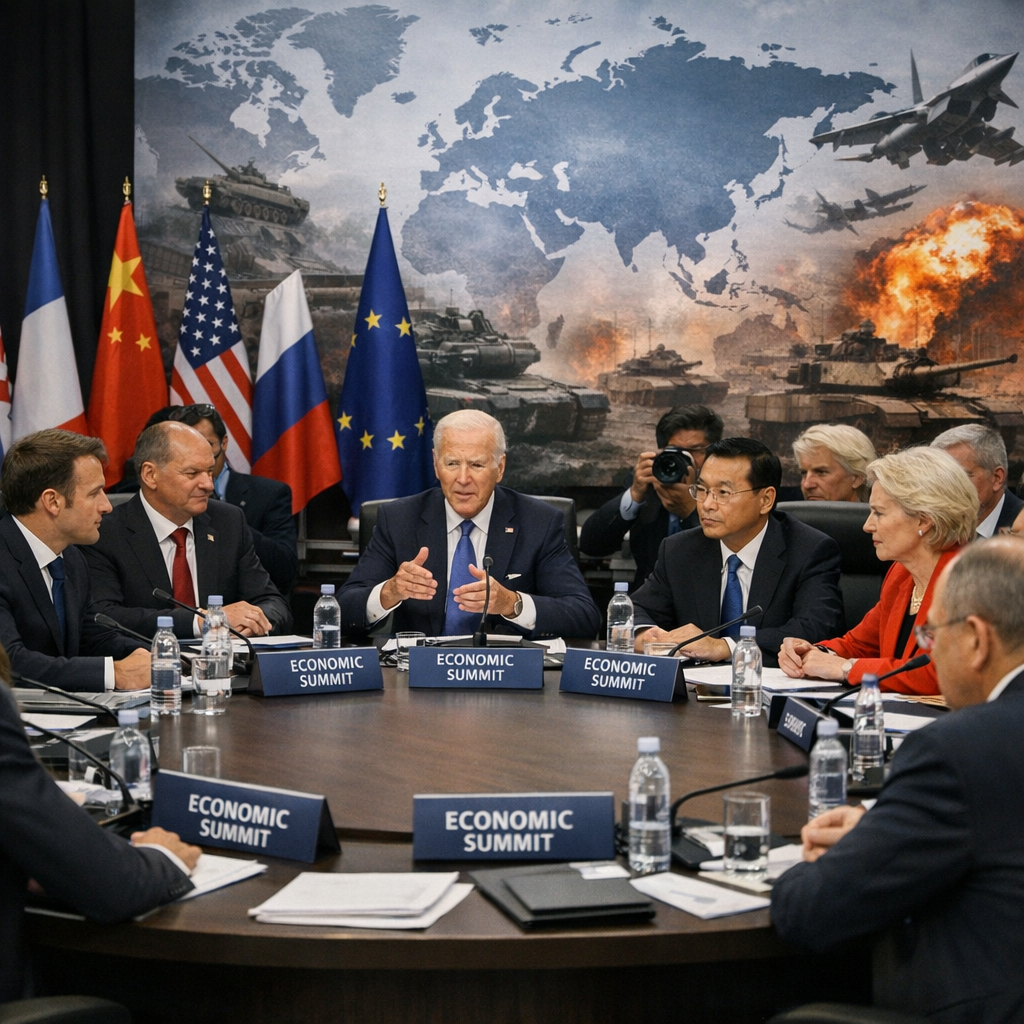
The global economy is currently navigating a complex landscape marked by geopolitical tensions and energy market disruptions. The Organization for Economic Cooperation and Development (OECD) projects a global growth rate of 2.9% in 2026, reflecting the impact of ongoing conflicts in the Middle East and associated energy supply shocks.
Impact of Middle East Conflicts
The evolving conflict in the Middle East has introduced significant uncertainty into global markets. The OECD notes that this situation is testing the resilience of the global economy, with potential long-lasting disruptions that could further dampen growth prospects. Energy prices have surged due to these conflicts, leading to higher inflation rates worldwide.
Regional Economic Projections
Different regions are experiencing varied economic impacts:
- United States: Growth is projected at 2.0% in 2026, supported by resilient consumer spending and investments in artificial intelligence.
- Euro Area: Growth is expected to slow to 0.8% in 2026, influenced by rising energy costs and geopolitical uncertainties.
- China: The economy is projected to grow by 4.4% in 2026, with a gradual slowdown attributed to structural adjustments and external pressures.
Inflationary Pressures
Global inflation is anticipated to persist, with G20 countries projected to experience an inflation rate of 4.0% in 2026. This is largely due to the surge in global energy prices stemming from the Middle East conflicts. Policymakers are urged to implement measures that preserve price stability and rebuild fiscal space to navigate these challenges effectively.
Policy Recommendations
In response to these economic challenges, the OECD recommends that governments:
- Implement timely and targeted fiscal support to households and businesses most affected by the energy shock.
- Promote energy diversification and efficiency to reduce reliance on volatile energy sources.
- Strengthen international cooperation to address the root causes of geopolitical tensions and foster a more stable global economic environment.
As the global economy faces these multifaceted challenges, coordinated policy actions and strategic investments will be crucial in steering towards a path of sustainable growth and stability.