

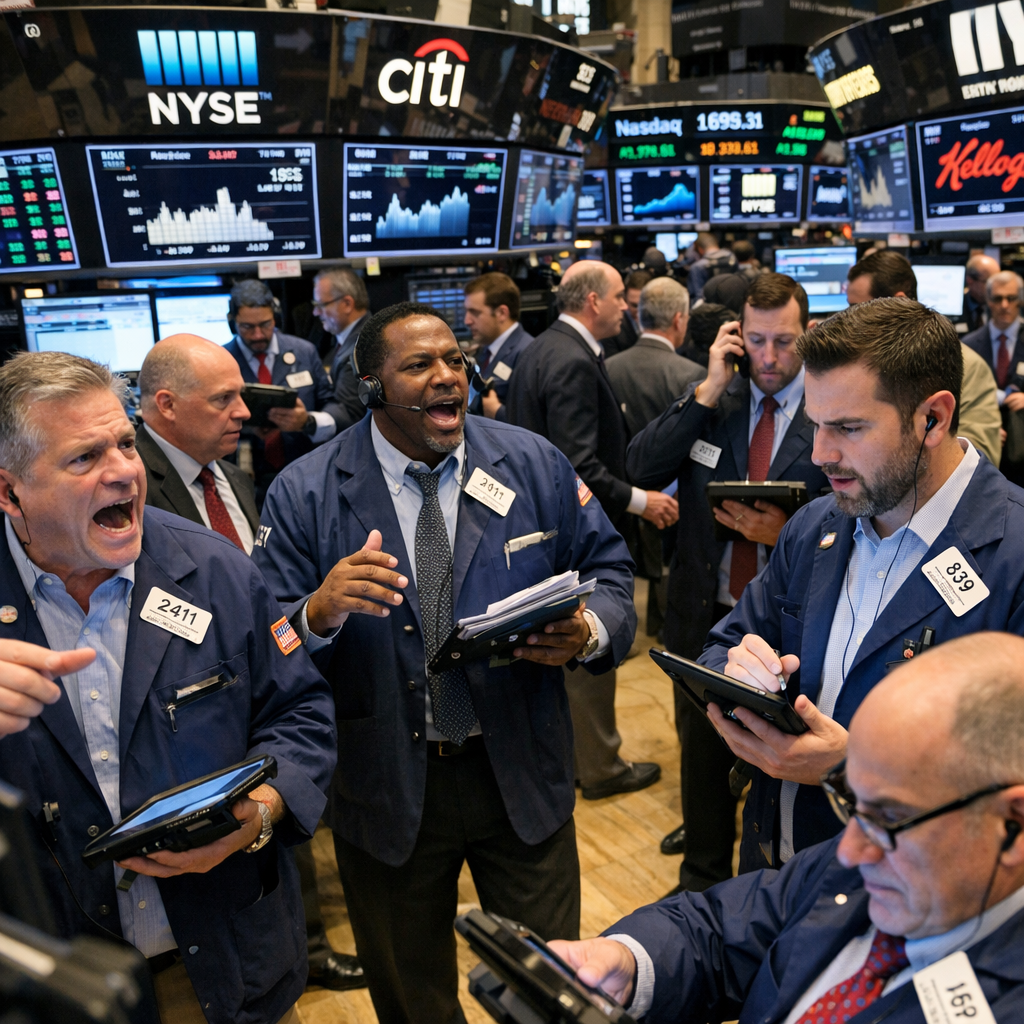
The United States economy continues to experience significant shifts, influenced by various domestic and international factors. Understanding these changes is crucial for both policymakers and global observers.
Inflation and Consumer Prices
Recent data indicates a rise in inflation rates, with consumer prices increasing due to higher energy costs and supply chain disruptions. This trend has led to a decrease in consumer purchasing power, affecting household budgets nationwide.
Employment Trends
The labor market has shown resilience, with unemployment rates declining as businesses adapt to new economic conditions. However, certain sectors, particularly those reliant on international supply chains, continue to face challenges in workforce stability.
International Trade Policies
U.S. trade policies have undergone notable changes, including the imposition of tariffs on various imports. These measures aim to protect domestic industries but have also led to tensions with trading partners, potentially impacting global trade dynamics.
Housing Market Dynamics
The housing market has experienced fluctuations, with rising mortgage rates contributing to a slowdown in home sales. This trend poses challenges for prospective buyers and reflects broader economic uncertainties.
In summary, the U.S. economy is navigating a complex landscape marked by inflationary pressures, evolving employment patterns, and shifting trade policies. Continuous monitoring and adaptive strategies are essential to address these multifaceted challenges.