

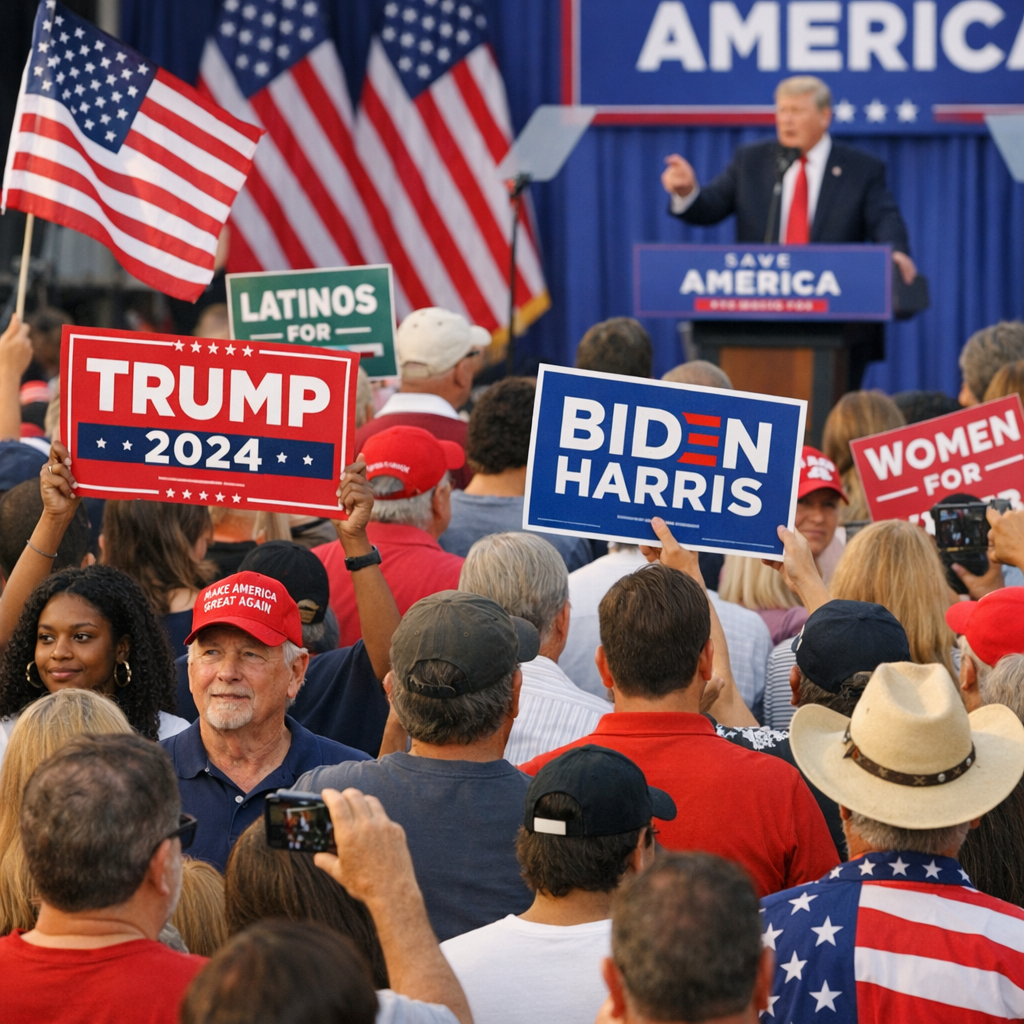
The United States is currently navigating a multifaceted political and economic landscape, marked by significant challenges and evolving dynamics.
Political Climate and Upcoming Elections
As the 2026 midterm elections approach, the Republican Party faces considerable obstacles. Rising inflation, a stagnant job market, and escalating gas prices have contributed to voter dissatisfaction. Notably, a viral incident involving a $20 burrito has become emblematic of the broader cost-of-living concerns among Americans. Despite promises to alleviate these economic pressures, the current administration has struggled to deliver tangible improvements, leading to a decline in public approval ratings.
Internal divisions within the administration, particularly concerning foreign policy and military engagements, have further complicated the political landscape. The ongoing conflict with Iran remains unresolved, and the administration’s focus appears to be shifting towards personal legacy projects rather than addressing pressing national issues. This has led to fractures within the conservative base, with emerging figures positioning themselves for future leadership roles.
Economic Challenges and Market Responses
The U.S. economy is experiencing a period of uncertainty. Inflation rates have reached 3.5% over the past year, and the job market has shown signs of weakening, with a reported loss of 23,000 jobs in July. These economic indicators have heightened concerns about the nation’s financial stability and the effectiveness of current economic policies.
In response to these challenges, the administration has implemented measures such as imposing double-digit tariffs on multiple countries and increasing tariffs on Canadian goods by 50%. While intended to protect domestic industries, these actions have sparked debates about their potential impact on international trade relations and the broader economy.
Implications for the Future
The convergence of political discord and economic instability presents a complex scenario for the United States. The upcoming midterm elections will serve as a critical juncture, potentially reshaping the political landscape and influencing future policy directions. Observers both domestically and internationally are closely monitoring these developments, recognizing their potential to affect global markets and geopolitical dynamics.