

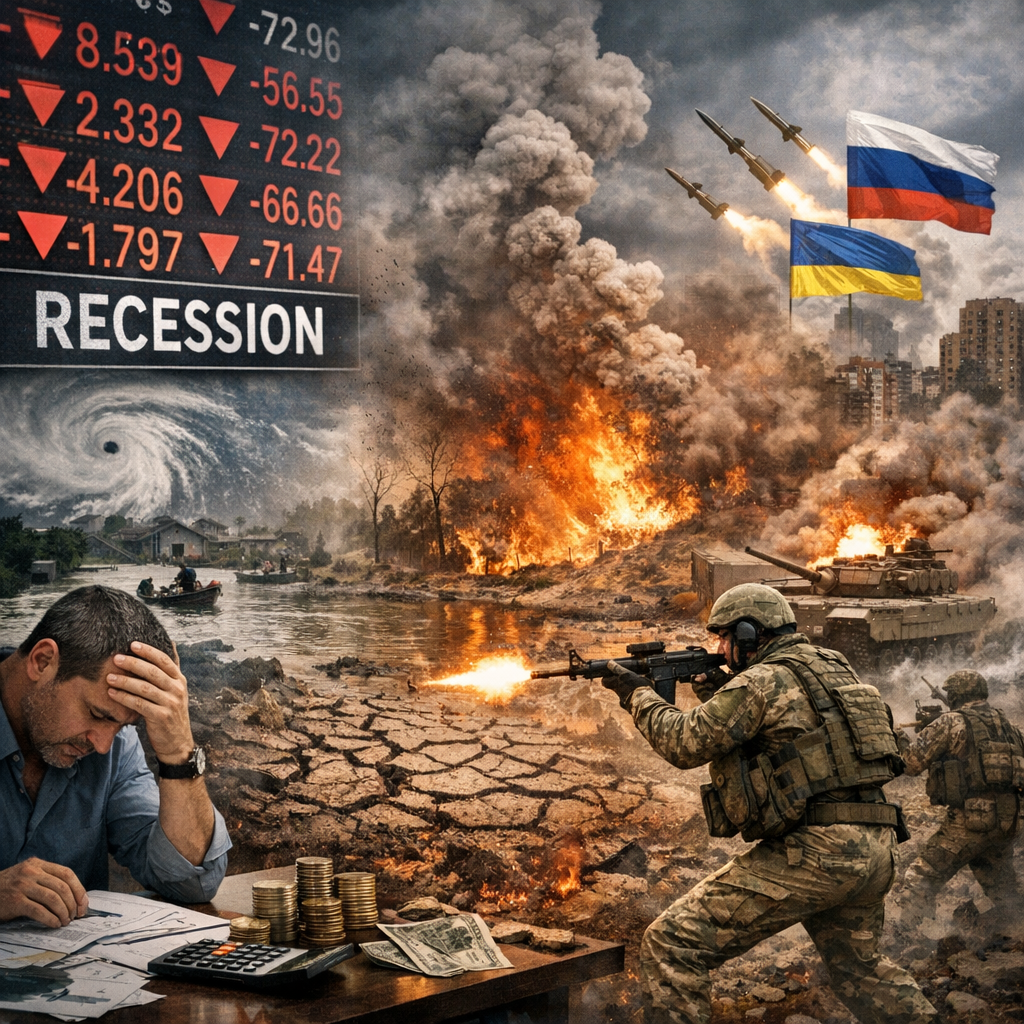
In recent years, the term ‘Era of Polycrisis’ has emerged to describe a period marked by multiple, simultaneous global crises that are interconnected, amplifying their severity and complexity. This concept underscores the challenges we face in an increasingly interdependent world.
Defining the Era of Polycrisis
The ‘Era of Polycrisis’ refers to a time when various global crises occur concurrently, each influencing and exacerbating the others. These crises span economic, environmental, political, and social domains, creating a complex web of challenges that defy simple solutions.
Key Characteristics
Several features define this era:
- Interconnected Crises: Events such as economic downturns, climate change, and geopolitical conflicts are no longer isolated incidents but are deeply intertwined.
- Amplified Impact: The simultaneous occurrence of these crises intensifies their individual and collective effects, leading to widespread instability.
- Global Reach: No region remains untouched, as the ripple effects of crises in one part of the world can quickly spread globally.
Implications for Global Stability
The Era of Polycrisis poses significant challenges to global stability:
- Economic Uncertainty: Interlinked economic crises can lead to prolonged recessions, affecting employment and living standards worldwide.
- Environmental Degradation: Climate-related disasters, when combined with other crises, can overwhelm response capacities and exacerbate humanitarian issues.
- Geopolitical Tensions: Simultaneous conflicts can strain international relations, making diplomatic resolutions more complex.
Moving Forward
Addressing the challenges of the Era of Polycrisis requires a holistic approach:
- Integrated Policies: Governments and organizations must develop strategies that consider the interconnected nature of global crises.
- International Cooperation: Collaborative efforts are essential to effectively manage and mitigate the impacts of concurrent crises.
- Resilience Building: Investing in resilient infrastructure and systems can help societies better withstand and recover from multiple shocks.
Understanding and navigating the Era of Polycrisis is crucial for fostering a more stable and sustainable global future.