

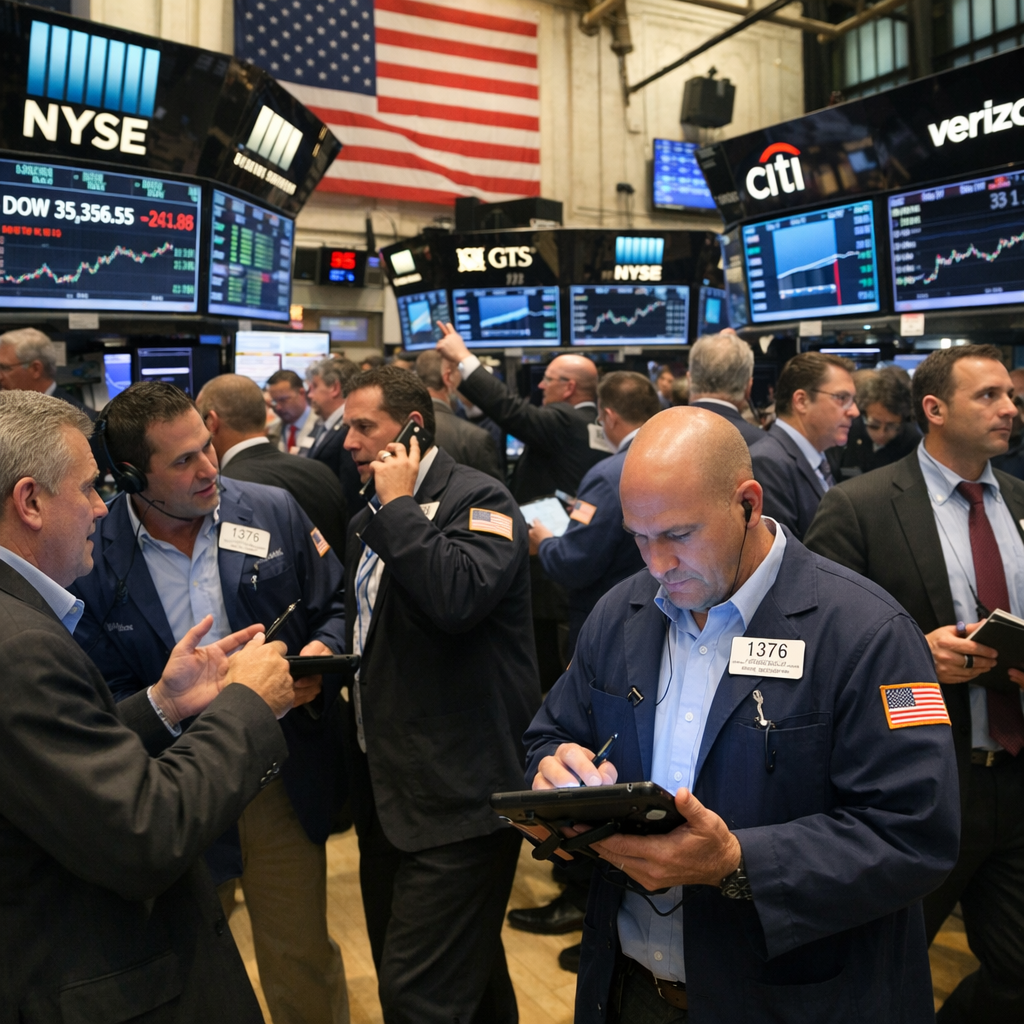
The United States continues to be a focal point in global discussions, with its economic and political dynamics influencing international markets and policies. As of mid-2026, several key developments have emerged that warrant attention.
Economic Resilience Amidst Policy Shifts
Despite facing policy uncertainties, the U.S. economy has demonstrated resilience. In 2025, the Gross Domestic Product (GDP) grew by 2%, supported by strong productivity gains. Inflation remained stable, with tariff-induced goods inflation offset by declining services inflation. The fiscal deficit narrowed slightly, though debt levels and the current account deficit remained elevated. Looking ahead, growth is projected to rise to 2.4% in 2026, with core inflation expected to return to 2% during the first half of 2027. Employment growth is slowing, but unemployment is anticipated to stay near 4%.
Political Landscape and Midterm Elections
As the U.S. approaches its 2026 midterm elections, the political climate is marked by challenges for the Republican Party. Rising inflation, a stagnant job market, and high gas prices have fueled voter dissatisfaction. The cost-of-living crisis has become a central issue, symbolized by public outcry over soaring prices of everyday items. Despite promises to reduce living expenses, the administration has struggled, with inflation continuing and economic hardships growing. Internal divisions over foreign policy and a disengaged campaign trail presence have further complicated the party’s position. Emerging figures within the conservative base are hinting at future leadership ambitions, indicating potential shifts in the party’s direction.
Global Implications and Trade Policies
The U.S. trade policies have introduced uncertainties in global markets. Recent federal court rulings overturning tariffs have intensified confusion for businesses and investors. While some sectors have benefited from protectionist measures, others, particularly agriculture and food processing, have faced higher costs. External pressures, notably the energy crisis stemming from tensions with Iran, are pushing fuel prices up, impacting transportation and agricultural costs. These developments have global implications, affecting trade partners and international economic stability.
Conclusion
The United States stands at a crossroads, with its economic policies and political developments having far-reaching effects. Observers worldwide are closely monitoring these trends, understanding that shifts in the U.S. landscape can influence global markets and geopolitical dynamics. Staying informed about these changes is crucial for stakeholders aiming to navigate the complexities of the current international environment.