

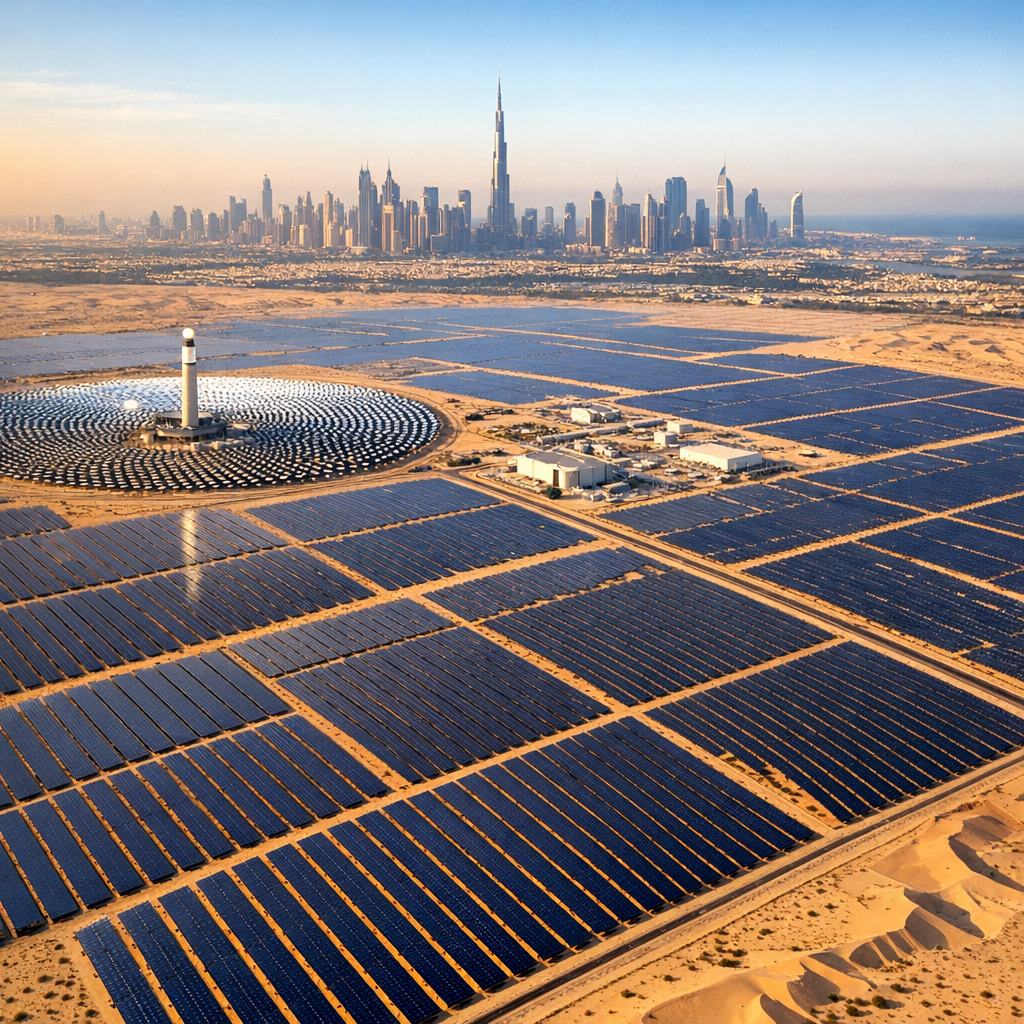
Dubai has long been recognized for its rapid development and architectural marvels. However, alongside its urban growth, the emirate has been steadfast in its commitment to environmental sustainability. This article delves into the various initiatives and strategies that Dubai has implemented to promote a greener future.
Environmental Authorities and Their Roles
At the federal level, the Ministry of Climate Change and Environment (MOCCAE) is responsible for developing and implementing national policies related to environmental sustainability, climate change, and food security. In Dubai, the Dubai Environment and Climate Change Authority (DECCA) plays a pivotal role in protecting the environment and ensuring sustainability through innovative policies that balance economic growth with environmental conservation.
Key Sustainability Initiatives
Dubai Clean Energy Strategy 2050
Dubai aims to position itself as a global hub for clean energy and a green economy by 2050. The strategy outlines a roadmap to provide 100% of the emirate’s energy production capacity from clean energy sources by mid-century.
Mohammed bin Rashid Al Maktoum Solar Park
As the largest single-site solar park globally, this project has a planned production capacity of 5,000 MW by 2030. Upon completion, it is expected to reduce over 6.5 million tons of carbon emissions annually.
Dubai Demand Side Management Strategy 2050
This strategy aims to double energy efficiency improvements, targeting savings of at least 30% by 2030 and 50% by 2050 compared to business-as-usual scenarios in electricity, water, and transport fuel consumption.
Integrated Waste Management Strategy 2041
Dubai’s Integrated Waste Management Strategy seeks to encourage innovation in waste management, recycling, and energy conversion, with a budget of AED 74.5 billion, including significant private sector contributions.
Dubai Can Initiative
Launched to reduce single-use plastic water bottle waste, this initiative encourages residents to use refillable water bottles and provides access to free and safe drinking water through strategically placed water stations across the city.
Community Engagement and Environmental Conservation
Community involvement is a cornerstone of Dubai’s environmental efforts. For instance, the Dubai Electricity and Water Authority (DEWA) has organized campaigns in collaboration with the Emirates Marine Environmental Group to plant mangrove trees and clean the Jebel Ali Marine Sanctuary. These activities have seen participation from hundreds of volunteers, including DEWA employees and their families, resulting in the planting of thousands of mangrove trees and the removal of significant amounts of plastic waste from the sanctuary’s beach.
Conclusion
Dubai’s multifaceted approach to environmental sustainability reflects its dedication to balancing rapid urban development with ecological responsibility. Through strategic initiatives, community engagement, and robust policies, the emirate is paving the way for a sustainable future that serves as a model for cities worldwide.