

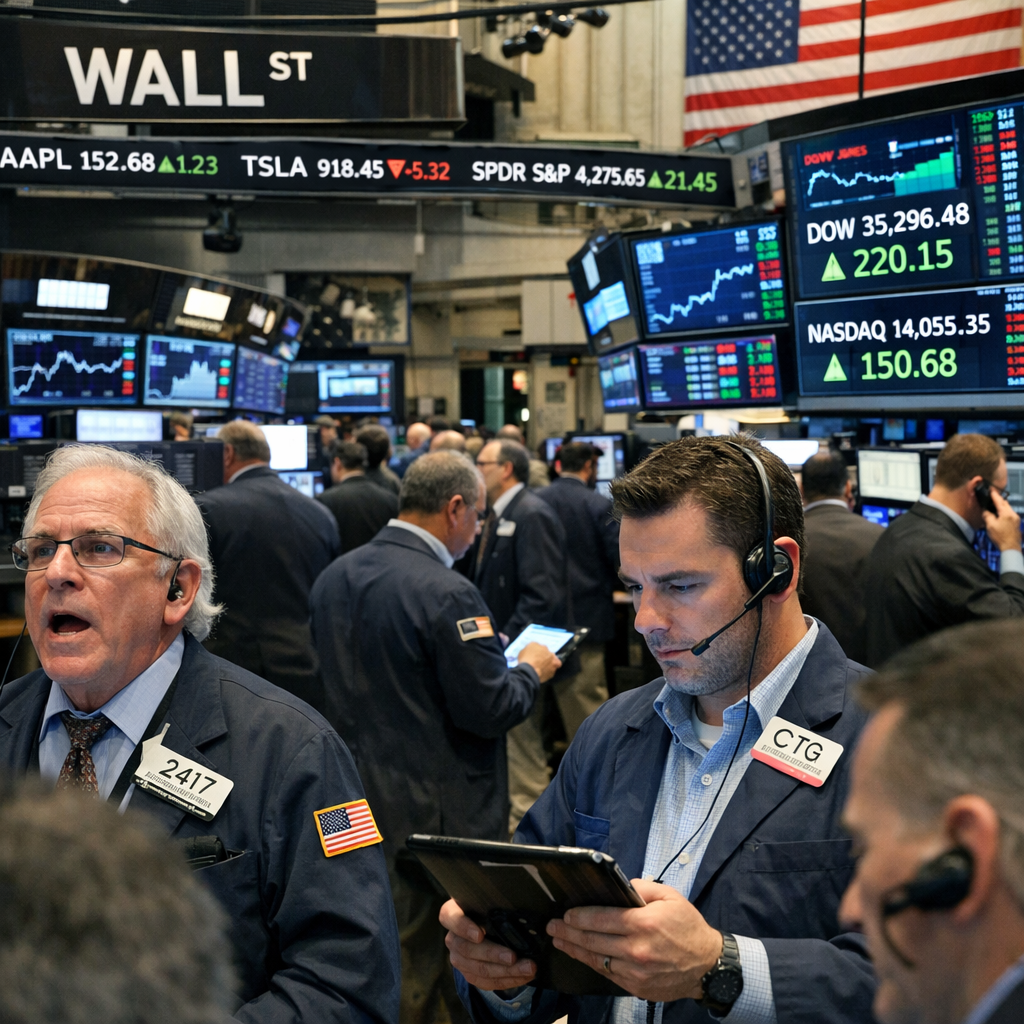
The United States economy in 2026 presents a multifaceted landscape, marked by both resilience and challenges. As the nation continues to recover from previous economic disruptions, several key factors shape its current trajectory.
Inflation and Consumer Concerns
Inflation remains a significant concern for many Americans. A survey conducted in October 2024 revealed that 41% of respondents identified inflation as their top economic issue. This sentiment underscores the persistent impact of rising prices on household budgets and the broader economy.
Policy Responses and Economic Indicators
In response to inflationary pressures, the Federal Reserve has maintained a cautious approach to interest rates. While there were expectations of rate cuts to stimulate the economy, the central bank has been hesitant, aiming to balance economic growth with inflation control. This careful stance reflects the complexities of managing monetary policy in a fluctuating economic environment.
Political Landscape and Economic Implications
The political climate also plays a crucial role in shaping economic policies. The second term of President Donald Trump has seen a continuation of certain economic strategies, including the imposition of tariffs on various trading partners. These measures have led to market volatility and have sparked debates on their long-term impact on economic stability.
Looking Ahead
As the U.S. navigates these economic challenges, the interplay between policy decisions, consumer confidence, and global economic trends will be pivotal. Stakeholders, from policymakers to everyday citizens, must stay informed and adaptable to ensure sustained economic health and prosperity.