

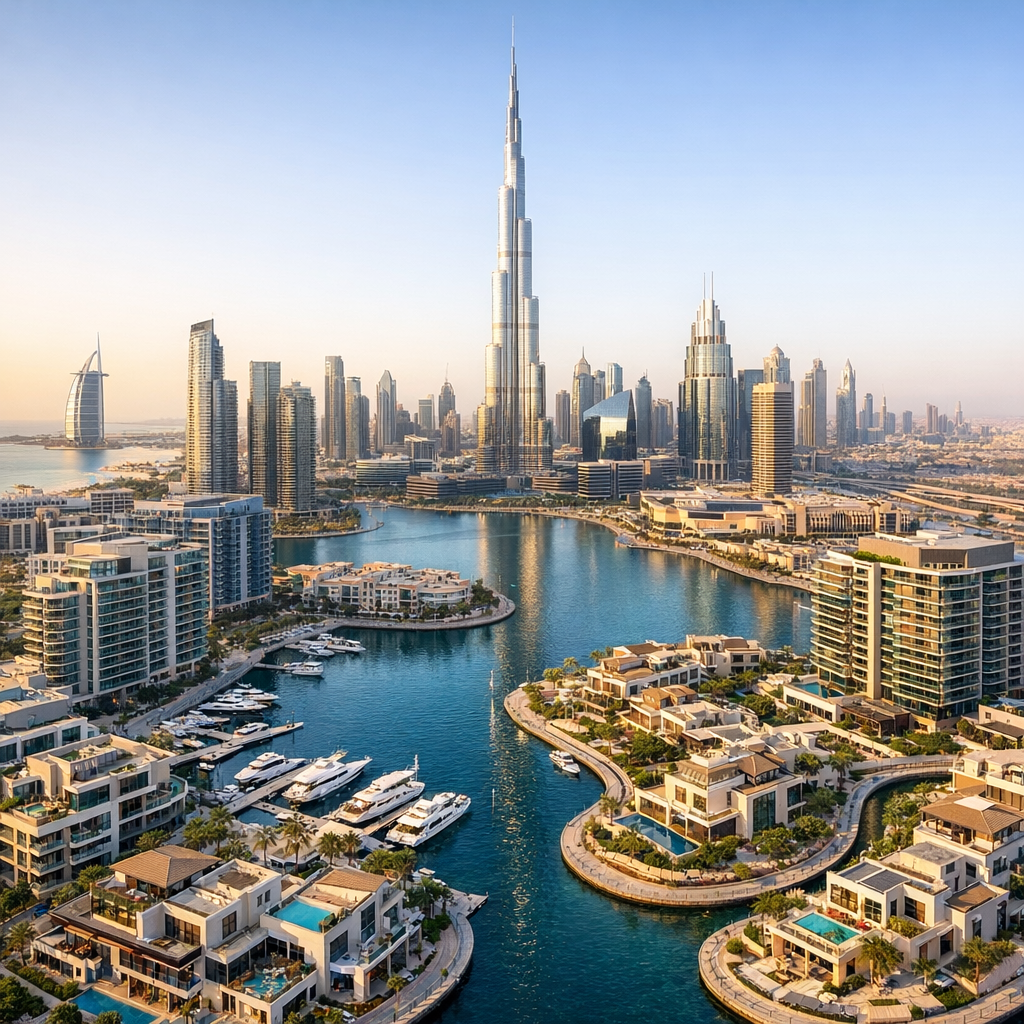
Dubai’s real estate market continues to evolve, reflecting shifts in buyer preferences, rental dynamics, and development trends. Understanding these changes is crucial for residents and investors alike.
Shifting Buyer Preferences
Recent data indicates a notable shift from renting to homeownership among residents. This trend is influenced by favorable long-term residency policies, such as the UAE Golden Visa, and initiatives like Dubai’s First-Time Home Buyer Programme, which has facilitated over 2,000 residents in purchasing their first homes, contributing more than AED 3.25 billion in residential property sales. Additionally, there’s a growing interest in luxury and super-luxury homes, supported by a 46% year-on-year increase in high-net-worth individual inflows, reinforcing Dubai’s position as a global leader in wealth migration.
Rental Market Dynamics
The rental market remains competitive, with average gross residential rental yields standing at 6.58%. Apartments average 6.9%, townhouses 5.1%, and villas 4.5%. While rental growth has moderated compared to previous years, continued population growth and inward migration support healthy occupancy levels across many established communities.
Emerging Development Hotspots
Developers are responding to demand with an unprecedented volume of new launches. In Q1 2026 alone, over 28,000 new residential units were launched, compared to roughly 22,000 in Q1 2025. Major master-community launches include new phases in Dubai South (Expo Living), MBR City (District 11), Dubailand (multiple mid-market projects), and emerging corridors along the E311 highway near Al Maktoum International Airport. Payment plans have become increasingly aggressive and buyer-friendly, with structures like 1% per month during construction and 10/90 post-handover plans extending to 5 years.
As Dubai’s real estate market matures, staying informed about these trends is essential for making well-informed decisions, whether you’re considering buying, renting, or investing.