

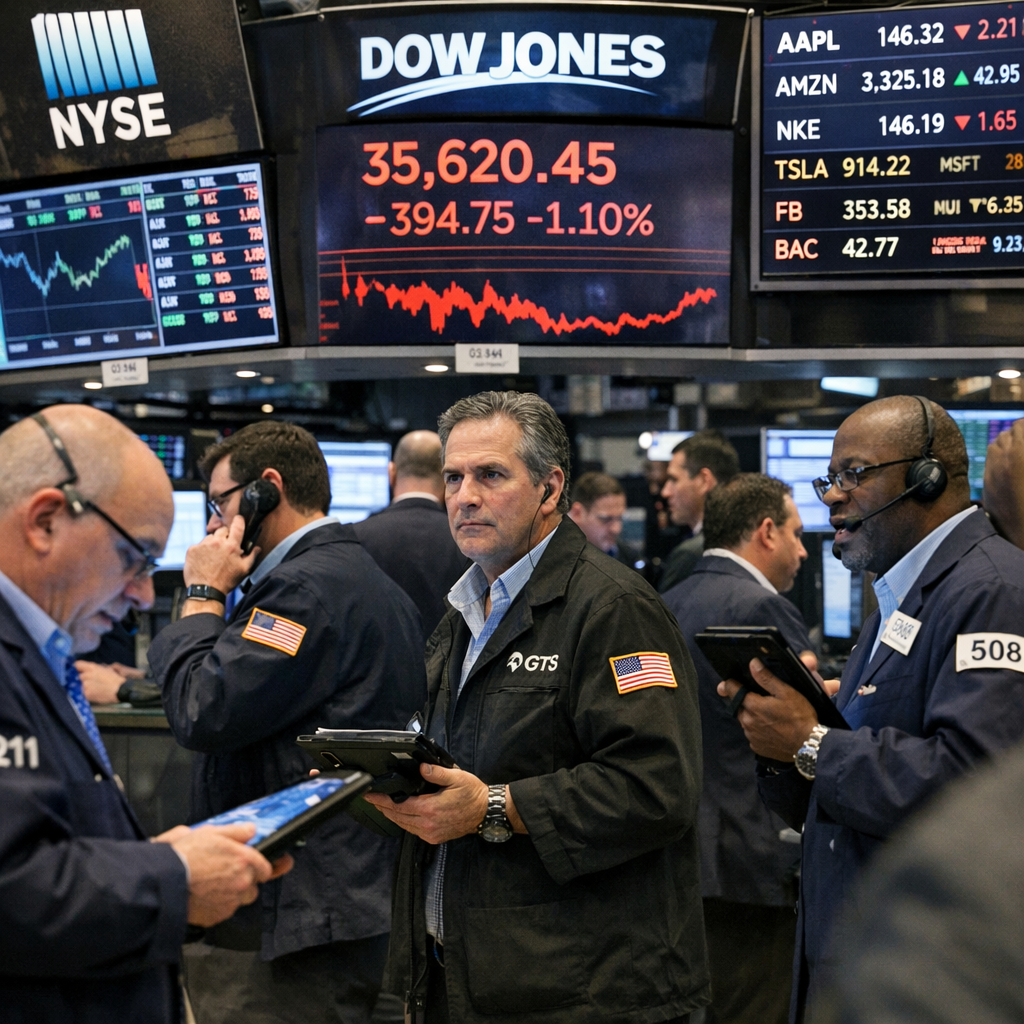
The United States economy has been navigating a complex landscape, marked by both growth and challenges. Recent data provides insight into the nation’s economic health and the factors influencing its trajectory.
Economic Growth and Employment
According to the International Monetary Fund (IMF), the U.S. economy is projected to grow by 2.4% in the fourth quarter of 2026, an increase from 2.2% the previous year. Unemployment rates are expected to decline from 4.5% in late 2025 to 4.1% in 2026, indicating a strengthening labor market.
Inflation and Consumer Confidence
Inflation remains a concern, with the IMF forecasting a decrease to the Federal Reserve’s 2% target by 2027. However, consumer confidence has been affected, with Americans expressing concerns about the cost of living and the overall economy.
Political Climate and Public Sentiment
Political anxiety is prevalent among Americans, with about one-third identifying politics and government as the nation’s most pressing problem. This concern is particularly pronounced among older citizens, while younger Americans are more focused on economic challenges such as housing affordability.
Global Trade and Tariffs
Trade policies continue to impact the economy. The Trump administration has imposed tariffs on various countries, including a 50% tariff on Canadian goods, citing disputes over autos and alcohol. These measures have led to fluctuations in global markets and raised concerns about potential trade wars.
Conclusion
The U.S. economy exhibits resilience through growth and declining unemployment, yet faces challenges like inflation, political anxiety, and trade tensions. Monitoring these factors is crucial for understanding the nation’s economic future.