

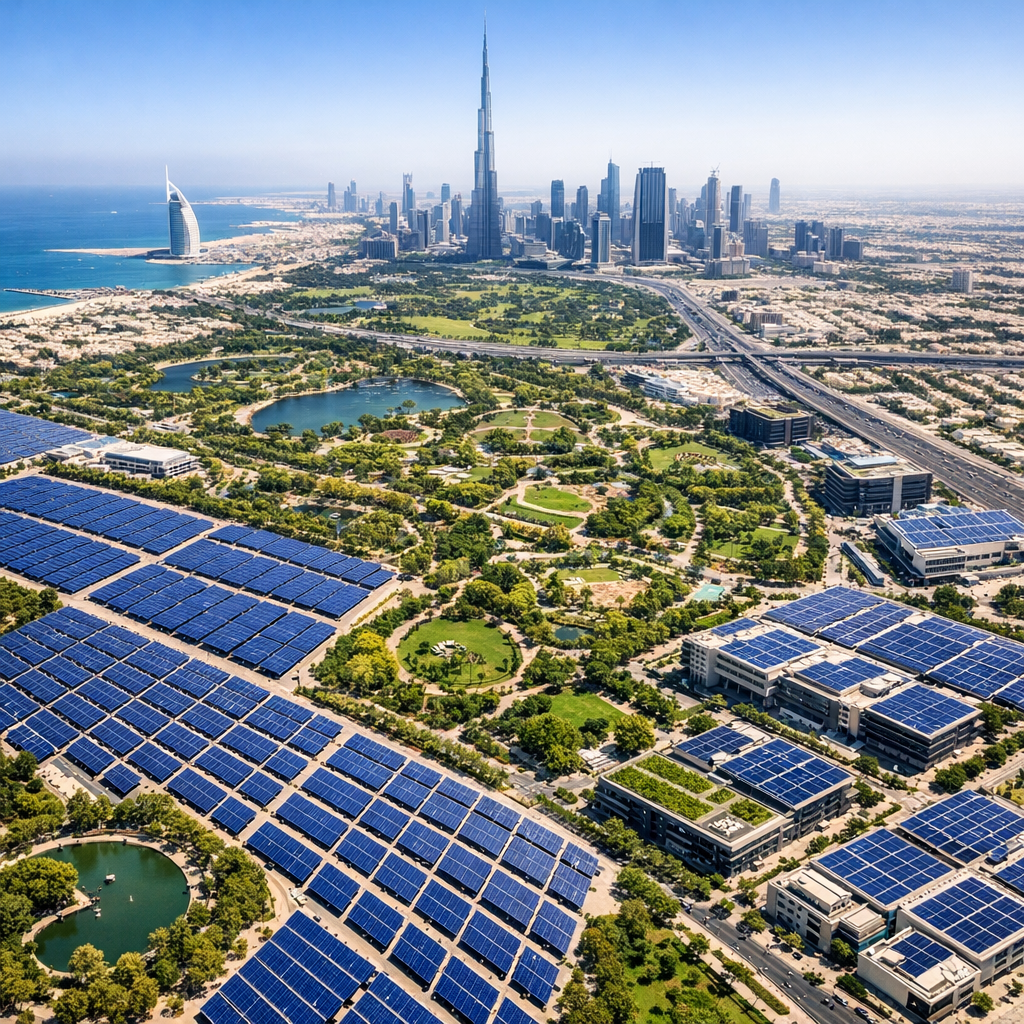
Dubai has long been recognized for its rapid development and architectural marvels. However, alongside its urban growth, the emirate has been steadfast in its commitment to environmental sustainability. This article delves into the various initiatives and strategies that Dubai has implemented to promote a greener future.
Environmental Authorities and Their Roles
At the federal level, the Ministry of Climate Change and Environment (MOCCAE) is responsible for developing and implementing national policies related to environmental sustainability, climate change, and food security. In Dubai, the primary regulatory authority is the Dubai Municipality, which enforces environmental legislations, monitors air and water quality, and manages waste disposal and recycling initiatives. Additionally, the Dubai Environment and Climate Change Authority (DECCA) plays a pivotal role in protecting the environment and ensuring sustainability through innovative policies that balance economic growth with environmental conservation.
Key Environmental Initiatives
Clean Energy Projects
Dubai has made significant strides in clean energy. The Mohammed bin Rashid Al Maktoum Solar Park stands as the largest single-site solar park globally, with a planned production capacity of 5,000 MW by 2030. This project is expected to reduce over 6.5 million tons of carbon emissions annually.
Waste Management
The emirate’s Integrated Waste Management Strategy 2041 aims to encourage innovation in waste management, recycling, and energy conversion. A notable project under this strategy is the Waste to Energy Center in Warsan, which has the capacity to treat around 2 million tons of solid waste annually, generating power sufficient for more than 135,000 homes.
Urban Greening
In 2024, Dubai Municipality planted 216,500 new trees, marking a 17% increase from the previous year. This initiative expanded the emirate’s green spaces by 391.5 hectares, enhancing the urban landscape and improving air quality.
Marine Conservation
Dubai Holding has partnered with the Department of Economy and Tourism (DET) and Dubai Can for the DUBAI REEF programme, one of the world’s largest purpose-built reef developments. Spanning 600 km², the initiative aims to restore marine habitats, enhance biodiversity, and support conservation research.
Climate Change and Its Impacts
Recent years have seen unusual weather patterns in Dubai, including unexpected heavy rainfall leading to floods. Experts attribute these events to climate change, emphasizing the need for adaptive infrastructure and sustainable urban planning to mitigate future risks.
Conclusion
Dubai’s commitment to environmental sustainability is evident through its comprehensive strategies and initiatives. By balancing rapid urban development with environmental conservation, the emirate sets a commendable example for cities worldwide.