

By Aisha Khalifa
Dubai continues its rapid transformation through a series of infrastructure initiatives aimed at tackling traffic congestion, stormwater management challenges, and utility demands. Below are key ongoing and upcoming projects that will impact daily life across the city.
Highway and Road Network Expansion
The Latifa bint Hamdan Corridor Project, awarded for AED 2 billion, represents a new strategic 12-kilometre route linking Sheikh Zayed Road, Al Khail Road, Al Meydan Street, Sheikh Mohammed bin Rashid Road, and Emirates Road. Its design includes seven bridges and eight tunnels. Once completed (by late 2028), it’s expected to slash travel time between Umm Al Sheif Street and Emirates Road from 33 to 15 minutes. It will also ease pressure on surrounding major roads and support growing communities in areas like Nad Al Sheba, Dubai Hills, and Al Barari.
Complementing this, the Roads and Transport Authority is advancing several projects under the Dubai 2040 Urban Master Plan: the expansion of Hessa Street, the Al Shindagha Corridor Improvement, upgrades on Umm Suqeim-Al Qudra, enhancements to Al Meydan Street, and more. Many include green space, rest stops, and safer pedestrian or cycling paths to integrate more sustainable travel modes.
Draining Challenges: The Tasreef Programme
To stay ahead of flash flooding and climate stress, Phase Two of the AED 30 billion Tasreef Programme has just awarded contracts worth AED 2.5 billion to enhance the stormwater drainage network. About 30 areas—projected to be home to 3 million residents by 2040—will benefit from expanded systems, tunnels, pumping stations, and collection zones to reduce flood risks and manage intense rainfall.
Power and Utility Readiness</
Dubai Electricity and Water Authority (DEWA) is investing over AED 10 billion in transmission assets to meet rising demand. Recent upgrades include commissioning 132 kV substations across Al Barsha South, Nad Al Sheba, Al Manara, and others, plus a major 400/132 kV substation within the Mohammed bin Rashid Solar Park. Over the next few years, more transmission projects and new substations are in line to support continued urban growth.
Changing Land Use Regulations in Al Warqa
During a community dialogue in Al Warqa, municipal leadership addressed resident concerns—from sewer odour to setbacks for villas. New policy measures include reducing villa setbacks to 1.5 metres, allowing annexes before main house completion, raising building height limits, and easing certain construction rules. A major sewage treatment plant in the area is also being upgraded, with target capacity to serve 3.2 million people and recycle up to one billion litres of water daily by 2029.
What It Means for Residents
- Reduced travel times and quieter congestion in key corridors.
- Greater resilience against flash floods and summer rainstorms.
- Better access to electricity and more stable supply.
- Eased regulatory burden for homeowners and quicker approvals in Al Warqa.
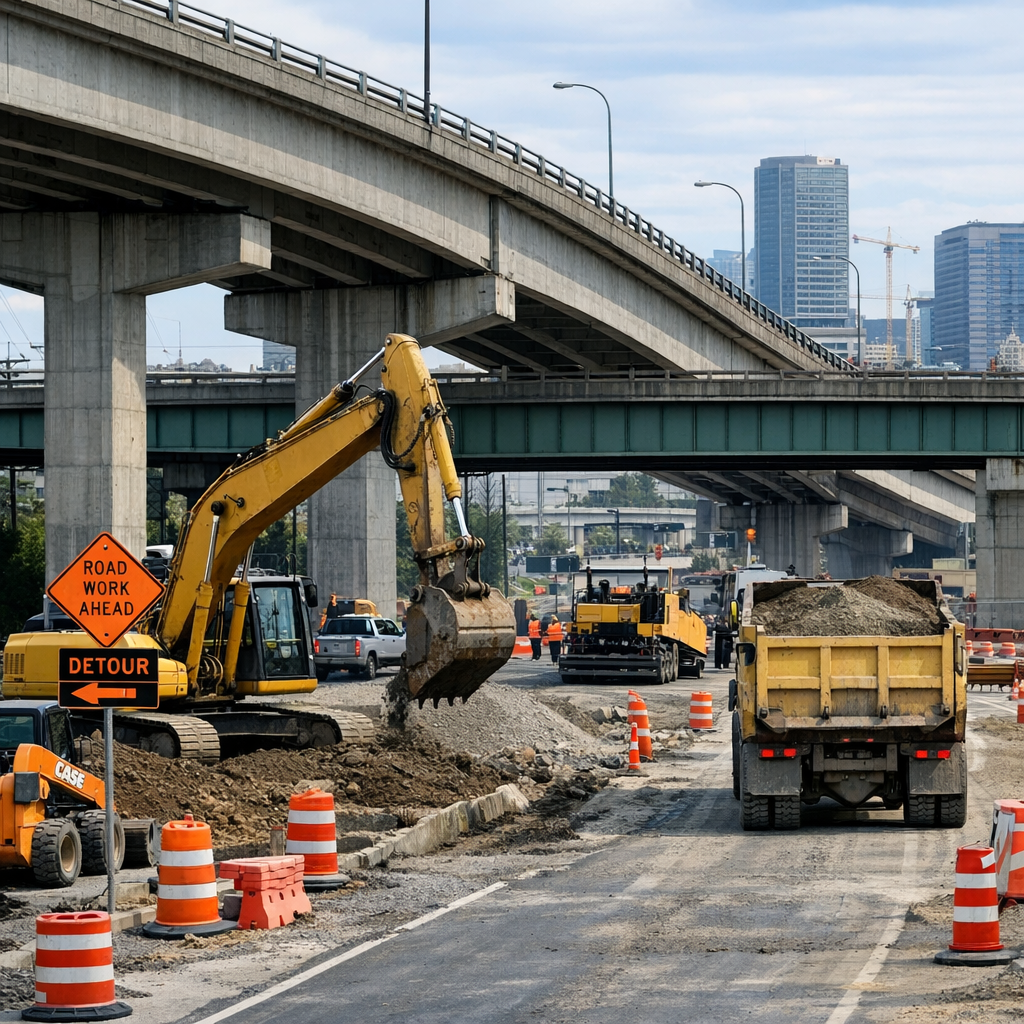
While construction may bring temporary disruptions—road closures, detours, or utility maintenance—these projects are designed with long-term payoffs in mind. Together, they reflect Dubai’s commitment to shaping a safer, more liveable, and future-ready city for everyone.