

By Ahmed Al-Hamed
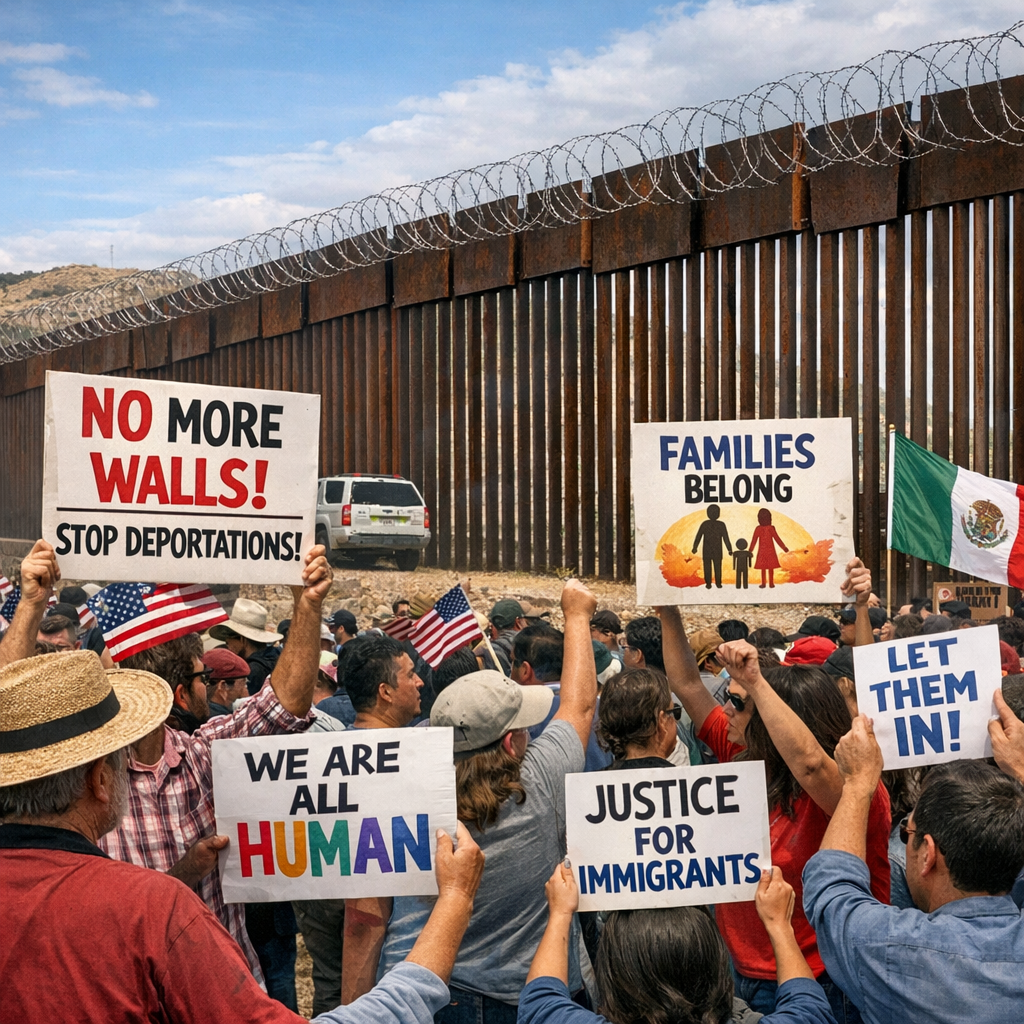
In the United States, immigration continues to be one of the most divisive and consequential issues in politics, law, and the economy. Under the current administration, federal policies and court rulings are reshaping who can enter, stay, or access public services—while public sentiment and economic imperatives challenge the status quo.
Enforcement, Courts, and Legal Shifts
Executive decisions have dramatically expanded immigration enforcement. New memo-based policies increase the detention of refugees still waiting for permanent residency, revise how asylum seekers are handled, and restrict access to certain legal pathways. Many of these changes test the boundaries of presidential power. Courts are playing a critical check. Several policies—like efforts to restrict birthright citizenship or fast-track deportations—have been blocked or narrowed by judges, keeping legal uncertainty high.
Public Opinion: Support Meets Discontent
Surveys show that while a large majority of Americans still view immigration positively—seeing benefits to workforce growth and tax revenue—support has dipped somewhat. Republicans, in particular, have grown more skeptical over recent months. At the same time, many citizens feel that the current approach—one heavily tilted toward enforcement—is neither humane nor sustainable.
Policy Changes That Hit Daily Life
Recent rules restrict immigrants’ access to public benefits like food aid, healthcare support, and tax credits—even for those lawfully present. One policy may deny green cards to applicants using public benefits, a reversal of former practice. Legislators from both parties and civil society are raising concerns that such measures strain communities, legal systems, and businesses unable to fill labor gaps.
Economic Realities and Political Tension
The economy plays a central role in shaping the immigration debate. Employers in key sectors—agriculture, healthcare, education—report labor shortages that risk raising costs and disrupting supply. Meanwhile, hardships associated with cost of living, inflation, and unemployment reinforce political pressure on leaders to balance border security and humanitarian demand. Ahead of elections, all sides are wary: strict policies may seem tough in rhetoric, but risk backlash if voters feel lives are adversely affected.
Paths Forward?
Amid the reshaping of immigration enforcement, there are signs of growing momentum for long-term reform. Proposals have emerged that aim to stabilize legal immigration channels, protect human rights, and foster economic contributions while addressing public concerns. Whether these proposals advance depends on political will, judicial outcomes, and whether public frustration with extremes can give room for more balanced policies.
For Dubai readers tracking U.S. national trends: immigration law affects not only migrants, but global mobility norms, international business recruitment, education choices, and diplomatic relationships. As the U.S. navigates these battles, its choices will ripple far beyond its borders.